
Food & Drinks
Sodziu: Meaning, Culture, and Modern Life Behind the Word
Discover what Sodziu means, its Lithuanian roots, emotional tone, and how it’s used in real conversation and modern internet culture.


Introduction
In a world where languages constantly evolve, certain words carry a special kind of charm. Sodziu is one of those words—short, expressive, and packed with cultural meaning. Whether you’ve seen it in Lithuanian conversations, heard it in music, or stumbled across it online, Sodziu feels like more than just a word. It’s a tone, a mood, and sometimes even an attitude.
This article will walk you through what Sodziu really means, where it comes from, how people use it in daily speech, and why it has gained attention beyond its original context. By the end, you’ll not only understand the word—you’ll understand the feeling behind it.
Quick Overview of Sodziu (At a Glance)
Before we dive deeper, here’s a simple informational table to ground the meaning.
| Category | Details |
|---|---|
| Word | Sodziu |
| Language Origin | Lithuanian |
| Literal Meaning | “In short,” “Basically,” “So,” (context-dependent) |
| Common Usage | Spoken conversation, informal writing, online slang |
| Emotional Tone | Casual, expressive, sometimes sarcastic or resigned |
| Similar English Phrases | “So yeah,” “Basically,” “Long story short,” “I mean” |
What Does Sodziu Mean?
At its core, Sodziu is an informal Lithuanian expression that can be translated as “in short,” “basically,” or “so”, depending on how it’s used. But translating it directly into English doesn’t fully capture its personality.
In real-life speech, Sodziu often works as a conversational shortcut. People use it when they want to summarize, shift the topic, or express a kind of “you get the point” feeling. It can sound neutral, humorous, or even emotionally heavy depending on the tone.
Imagine someone telling a long story about work stress, bad luck, missed buses, and rude customers, and then ending with:
“Sodziu… that’s my life.”
That single word makes the sentence hit harder. It adds a sense of resignation, realism, and sometimes comedy. It’s like shrugging with your voice.
The Cultural Roots of Sodziu
Language is never just language. It’s culture, history, and identity rolled into one. The popularity of Sodziu in Lithuanian speech reflects something deeper: Lithuanians often communicate with a mix of directness, subtle humor, and emotional understatement.
Instead of dramatic exaggeration, Lithuanian conversation tends to lean into dry humor and calm honesty. Sodziu fits perfectly into that style. It’s a word that lets you say a lot without saying too much.
It’s also widely used in casual settings—friends talking, family conversations, texting, memes, and social media. You won’t usually see it in formal writing, because it’s naturally conversational and slightly slang-like.
Over time, it has become a linguistic “signature” that feels uniquely Lithuanian.
How Sodziu Is Used in Everyday Speech
The beauty of Sodziu is that it’s flexible. People can use it in several ways, and the meaning shifts slightly depending on context.
Sodziu as “Basically” or “In Short”
This is the most direct meaning. It often introduces a summary.
For example:
Someone explains a complicated situation, then says:
“Sodziu, everything went wrong.”
That’s basically the speaker saying, “To sum it up, this is what happened.”
It’s like the speaker is wrapping up a story and giving you the main takeaway. This is common in conversations when people don’t want to keep repeating details.
Sodziu as a Conversation Starter
Sometimes Sodziu is used at the beginning of a sentence to set the tone, like a soft opening.
“Sodziu, I don’t even know what to do anymore.”
This version feels emotional and personal. It creates the impression that the speaker has a lot on their mind, and they’re about to unload a story.
Sodziu as a Dramatic Ending
This is where the word becomes powerful. People often use it at the end of a story to deliver the final punch.
“Sodziu… that was it.”
This version feels like someone dropping the mic. It can sound funny, sad, or even angry depending on tone.
Why Sodziu Feels So Expressive
Some words feel like they carry emotion built into them. Sodziu is one of those words because it functions almost like a sound effect in conversation.
It can signal:
- frustration
- acceptance
- sarcasm
- exhaustion
- humor
- disappointment
- realism
It’s similar to how English speakers use “anyway,” “so yeah,” or “welp.” But Sodziu feels sharper, more compact, and more final.
Think of it like the emotional period at the end of a sentence. It closes the story, but it also tells you how the speaker feels about it.
Sodziu in Digital Culture and Social Media
The internet loves short, expressive words. That’s why Sodziu has gained traction in memes and online conversations. In Lithuanian social media spaces, it’s everywhere.
People use it in captions, comments, and reaction posts, often to express frustration or humor in a relatable way.
For example:
Someone posts a picture of an empty fridge and writes:
“Sodziu…”
No explanation needed. The word alone communicates the mood: broke, hungry, disappointed, but laughing about it.
It’s also used in TikTok and short-form content, where creators want to deliver a punchline quickly. The word works perfectly because it carries meaning even without context.
The Different Emotional Tones of Sodziu
One of the most interesting things about Sodziu is how much emotion it can carry. Depending on how it’s spoken, it can feel completely different.
Here’s a useful breakdown:
| Tone of Voice | Meaning Implied | Example Feeling |
|---|---|---|
| Calm and neutral | “In short…” | storytelling, summarizing |
| Laughing | “Basically, this is ridiculous” | humor, irony |
| Slow and tired | “I’m done with this” | exhaustion, burnout |
| Sharp and fast | “So yeah, whatever” | annoyance, dismissal |
| Quiet and heavy | “That’s life” | sadness, resignation |
This is why translating Sodziu into a single English word doesn’t really work. The meaning lives in the delivery.
Sodziu vs Similar Expressions in Other Languages
Every language has its own “shortcut word,” but not all of them hit the same way. Sodziu is often compared to filler or summary expressions, but it has its own personality.
Comparison Table: Sodziu and Similar Expressions
| Language | Expression | Closest Meaning | Similarity to Sodziu |
|---|---|---|---|
| English | “Basically” | Summary/shortcut | Similar meaning, less emotional |
| English | “So yeah” | Resigned conclusion | Very similar emotional vibe |
| Russian | “Короче” (koroche) | “In short” | Very close in use and tone |
| Polish | “Krótko mówiąc” | “Briefly speaking” | More formal than Sodziu |
| Spanish | “En fin” | “Anyway / in the end” | Similar vibe, slightly softer |
The closest equivalent in spirit is probably Russian koroche, because both are used informally to summarize and add emotional tone.
Why People Outside Lithuania Are Interested in Sodziu
So why is Sodziu getting attention beyond Lithuanian culture?
The answer is simple: it feels authentic.
Modern communication is full of exaggerated emotions and loud reactions. But Sodziu represents something different—quiet realism. It’s the kind of word that fits the mood of modern life, where people are tired, busy, and often trying to laugh through stress.
It’s also the kind of word that feels “cool” because it’s not overused globally. People enjoy discovering small cultural gems like this.
In many ways, Sodziu has become a small symbol of Baltic identity online—casual, witty, and emotionally honest.
Real-Life Examples of Sodziu in Conversation
To understand a word fully, you need to see it in action. Here are a few everyday scenarios where Sodziu fits naturally.
Example 1: A Friend Complaining About Work
“My boss called me on my day off, then blamed me for not answering. Sodziu, I’m quitting soon.”
Here it signals frustration and a final conclusion.
Example 2: A Relationship Story
“We argued about nothing, then didn’t talk for two days. Sodziu… it’s complicated.”
Here it suggests emotional exhaustion and resignation.
Example 3: A Funny Situation
“I went to the store for milk and came back with chips, soda, and candy. Sodziu, I have no self-control.”
Here it’s humorous and self-aware.
Is Sodziu a Slang Word or Proper Lithuanian?
This is a good question, because people often assume informal words are “incorrect.” But Sodziu isn’t exactly wrong Lithuanian—it’s more like casual Lithuanian.
It comes from the Lithuanian word “žodžiu”, which literally relates to “word” or “in words.” Over time, people started using it conversationally as a filler and summarizing expression. In informal writing, it often becomes stylized as sodziu (without Lithuanian diacritics).
So technically, “žodžiu” is the more correct spelling, while “sodziu” is the internet-friendly form. That’s extremely common online, where people type quickly and skip special characters.
Sodziu as a Reflection of Modern Life
Words often survive because they serve a purpose. Sodziu survives because it matches the emotional rhythm of everyday life.
Life is messy, and people don’t always want to explain everything. Sometimes you just want to summarize your entire week with one word that says:
“I’ve been through it. You get it. Moving on.”
In that sense, Sodziu is more than language—it’s a coping mechanism. It’s the verbal equivalent of a deep sigh mixed with a half-smile.
It also reflects a very modern style of humor: slightly cynical, slightly tired, but still alive and laughing.
A Small Case Study: Why Sodziu Works So Well in Memes
Memes depend on quick emotional impact. A good meme makes you feel something instantly—laughter, relatability, embarrassment, or pain.
Sodziu is a perfect meme word because it compresses meaning.
A Lithuanian meme might show someone staring at their bank account with $2 left, and the caption is simply:
“Sodziu…”
That’s it. No explanation needed. The audience fills in the rest.
The word works because it doesn’t just describe the situation—it reacts to it. It becomes the speaker’s emotional response.
That’s why it spreads easily in online culture. It’s efficient. It’s expressive. And it’s funny without trying too hard.
How to Use Sodziu Correctly (Without Sounding Forced)
If you’re learning Lithuanian or just want to use the word casually, the biggest rule is simple: don’t overuse it.
People who naturally speak Lithuanian use Sodziu like a spice, not the whole meal. It’s best used when you’re summarizing or reacting emotionally.
Here are a few natural ways to use it:
- At the start of a summary: “Sodziu, it didn’t work.”
- At the end of a story: “And sodziu… that’s what happened.”
- As a standalone reaction: “Sodziu…”
If you try to insert it into every sentence, it’ll feel unnatural. But used sparingly, it sounds authentic and expressive.
Common Misunderstandings About Sodziu
Because it’s a culturally loaded word, people sometimes misunderstand it.
One common mistake is assuming Sodziu always means something negative. It often appears in complaints or sarcasm, but it can also be playful or neutral.
Another misunderstanding is thinking it’s a “bad word.” It’s not profanity. It’s informal, yes, but not offensive. It’s closer to saying “anyway” or “basically.”
Also, some people confuse it with being a meaningless filler. In reality, it often carries emotional subtext. It’s not empty—it’s packed.
Sodziu in Language Learning and Communication
If you’re studying Lithuanian, learning words like Sodziu is actually a big step toward sounding natural.
Textbooks teach grammar, vocabulary, and polite phrases. But real fluency comes from learning how people actually talk. And Lithuanians talk with expressions like this all the time.
Understanding Sodziu helps you:
- follow casual conversations faster
- understand humor and sarcasm
- recognize when someone is summarizing
- connect with Lithuanian speakers more naturally
It’s the kind of word that makes you feel like you’re inside the culture, not just studying it.
Conclusion
Sodziu is one of those rare words that feels small but carries huge meaning. It can mean “basically,” “in short,” or “so,” but it also delivers emotion—frustration, humor, resignation, or realism—all in one compact expression. Rooted in Lithuanian culture and widely used in casual speech, it has become a powerful conversational tool and an internet favorite.
More than anything, Sodziu represents a style of Communication that’s honest, efficient, and emotionally aware. It doesn’t over-explain. It doesn’t dramatize. It simply sums things up in a way that feels human.
If you remember one thing, let it be this: Sodziu isn’t just a word—it’s a vibe. And once you notice it, you’ll start hearing it everywhere.
Frequently Asked Questions (FAQs)
1. What does Sodziu mean in English?
Sodziu usually translates to “basically,” “in short,” or “so,” depending on the situation. It’s often used to summarize or express emotion.
2. Is Sodziu a Lithuanian slang word?
Yes, it’s commonly used in informal Lithuanian speech. The more correct spelling is “žodžiu,” but “sodziu” is widely used online.
3. Can Sodziu be used as a standalone reaction?
Absolutely. People often say Sodziu… by itself to express frustration, humor, or resignation without explaining further.
4. Is Sodziu considered rude or offensive?
No, it isn’t profanity or an insult. It’s informal, but generally safe to use in casual conversation.
5. Why is Sodziu popular on social media?
Because it’s short, emotional, and relatable. It works perfectly in memes and captions where a single word can communicate an entire mood.
Introduction
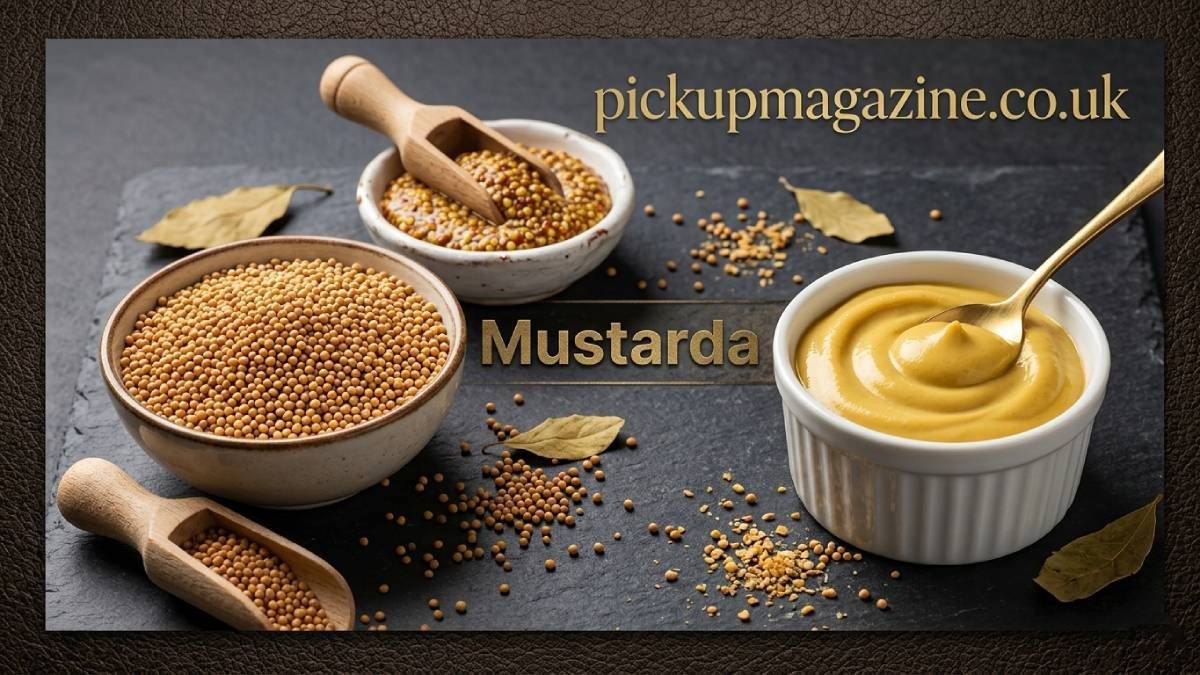
Few ingredients manage to bridge cultures, cuisines, and centuries as seamlessly as Mustarda. Whether you’ve encountered it as a sweet-spiced fruit preserve in Italy or simply associated it with the bold tang of mustard, Mustarda holds a fascinating place in culinary history. It’s not just a condiment—it’s a story of preservation, flavor experimentation, and cultural identity. In this article, you’ll explore what Mustarda truly is, where it comes from, how it’s made, and why it continues to captivate food lovers worldwide. By the end, you’ll see why Mustarda deserves a place not only on your plate but also in your culinary curiosity.
What Is Mustarda?
At its core, Mustarda is a traditional Italian condiment made from candied fruits and flavored with mustard essence. Unlike the yellow mustard commonly found in sandwiches, Mustarda delivers a unique blend of sweetness and sharp heat. It’s a combination that surprises many first-time tasters.
Originating in Northern Italy, especially in regions like Lombardy and Emilia-Romagna, Mustarda was initially developed as a method of preserving fruit. Over time, it evolved into a sophisticated accompaniment served alongside meats, cheeses, and festive dishes.
What makes Mustarda special is its contrast. The sugary syrup softens the fruit while the mustard oil adds a pungent kick. This duality creates a balanced flavor profile that enhances rather than overpowers other foods.
A Brief Historical Background of Mustarda
Mustarda’s origins date back to medieval Europe when preserving fruits was essential for survival during harsh winters. Italian households began combining sugar and mustard seeds to extend shelf life while adding flavor.
Evolution Through the Ages
Over centuries, Mustarda transformed from a practical preservation technique into a culinary tradition. Nobles and aristocrats began incorporating it into elaborate feasts, pairing it with roasted meats and cheeses.
Interestingly, each region in Italy developed its own version. Cremona became famous for its whole-fruit Mustarda, while Mantua preferred a more finely chopped variation.
Cultural Significance
Mustarda isn’t just food—it’s tradition. It often appears during holidays and special gatherings. Families pass down recipes through generations, preserving both flavor and heritage.
Types of Mustarda Across Italy
Italy’s regional diversity shines through in the many variations of Mustarda. Each type reflects local ingredients and culinary preferences.
1. Mostarda di Cremona
This is perhaps the most iconic version. It features whole fruits like cherries, pears, and apricots immersed in a clear, sweet syrup infused with mustard essence. The visual appeal alone makes it a centerpiece dish.
2. Mostarda Mantovana
Unlike Cremona’s version, Mantovana Mustarda is smoother and more jam-like. It often uses apples or quince and has a more subtle sweetness with a pronounced mustard kick.
3. Mostarda Vicentina
This variation leans toward a spreadable consistency. Made with quince, it’s less sweet and more aromatic, making it perfect for pairing with cheeses.
Comparison of Popular Mustarda Types
| Type | Texture | Main Ingredients | Flavor Profile |
|---|---|---|---|
| Cremona | Chunky | Mixed fruits | Sweet with mild heat |
| Mantovana | Smooth | Apples, quince | Balanced sweet-spicy |
| Vicentina | Spreadable | Quince | Aromatic and tangy |
How Mustarda Is Made
Making Mustarda is both an art and a science. The process requires patience, precision, and a deep understanding of flavor balance.
Step-by-Step Process
First, fruits are selected and prepared. These can range from apples and pears to cherries and figs. The fruits are then soaked in sugar over several days, allowing them to release their natural juices.
Next, the mixture is slowly cooked until it forms a thick syrup. This stage is crucial because it determines the texture and sweetness of the final product.
Finally, mustard essence or oil is added. This is what gives Mustarda its signature heat. The mixture is then left to mature, allowing flavors to meld together.
Key Ingredients Breakdown
| Ingredient | Role in Mustarda |
|---|---|
| Fruits | Provide natural sweetness and body |
| Sugar | Preserves and enhances flavor |
| Mustard essence | Adds heat and complexity |
| Water | Helps form syrup consistency |
Culinary Uses of Mustarda
Mustarda is incredibly versatile. Its unique flavor makes it suitable for a wide range of dishes.
Pairing with Meats
One of the most traditional uses of Mustarda is alongside roasted meats. The sweetness complements savory flavors, while the mustard adds a subtle bite. It’s especially popular with pork, beef, and game meats.
Enhancing Cheese Platters
Mustarda pairs beautifully with cheeses, particularly aged varieties like Parmigiano-Reggiano. The contrast between creamy cheese and spicy-sweet fruit creates a delightful experience.
Creative Modern Uses
Today, chefs are experimenting with Mustarda in innovative ways. It’s used as a glaze for grilled dishes, a topping for burgers, or even a component in gourmet sandwiches.
Nutritional Overview of Mustarda
While Mustarda is delicious, it’s also worth understanding its nutritional profile.
| Nutrient | Approximate Value (per 100g) |
|---|---|
| Calories | 250–300 kcal |
| Carbohydrates | High |
| Sugars | High |
| Fat | Low |
| Protein | Minimal |
Because of its sugar content, Mustarda is best enjoyed in moderation. However, the fruit base does provide some vitamins and antioxidants.
Mustarda vs. Regular Mustard: What’s the Difference?
At first glance, Mustarda and mustard might seem related, but they’re quite different.
Regular mustard is typically made from ground mustard seeds mixed with vinegar and spices. It has a sharp, tangy flavor and is commonly used as a condiment for sandwiches and hot dogs.
Mustarda, on the other hand, is fruit-based and sweetened. The mustard component is more of a flavor enhancer than the main ingredient. This makes it more complex and versatile in culinary applications.
Why Mustarda Stands Out in Global Cuisine
Mustarda’s uniqueness lies in its balance. Few condiments manage to combine sweetness, spice, and fruitiness so effectively.
A Flavor That Tells a Story
Every jar of Mustarda carries a piece of history. It reflects the ingenuity of people who turned necessity into art. This depth makes it more than just a food item—it’s an experience.
Growing Popularity
In recent years, Mustarda has gained attention beyond Italy. Food enthusiasts and chefs worldwide are embracing it for its bold flavor and versatility.
Tips for Choosing and Storing Mustarda
When selecting Mustarda, look for products with natural ingredients and minimal additives. Authentic versions often highlight the type of fruit used and the region of origin.
Store Mustarda in a cool, dry place. Once opened, it should be refrigerated to maintain freshness. Proper storage ensures that the flavors remain vibrant and enjoyable.
Conclusion
Mustarda is a remarkable blend of tradition, Flavor, and creativity. From its humble beginnings as a preservation method to its status as a gourmet condiment, it has traveled a long and fascinating journey. Its ability to enhance both simple and sophisticated dishes makes it a valuable addition to any kitchen.
Exploring Mustarda opens the door to new taste experiences. Whether paired with meats, cheeses, or used in modern recipes, it offers something truly unique. If you’re looking to expand your culinary horizons, Mustarda is a perfect place to start.
Frequently Asked Questions (FAQs)
1. What does Mustarda taste like?
Mustarda has a unique flavor that combines sweetness from fruit with a sharp, spicy kick from mustard essence. It’s both surprising and balanced.
2. Is Mustarda the same as mustard?
No, Mustarda is fruit-based and sweet, while mustard is made from seeds and has a tangy, sharp flavor.
3. How is Mustarda typically served?
It’s commonly served with roasted meats, cheeses, and sometimes as a condiment for sandwiches or gourmet dishes.
4. Can Mustarda be made at home?
Yes, with patience and the right ingredients, Mustarda can be prepared at home using fruits, sugar, and mustard essence.
5. How long does Mustarda last?
When stored properly, unopened Mustarda can last for months. Once opened, it should be refrigerated and consumed within a few weeks.
Introduction
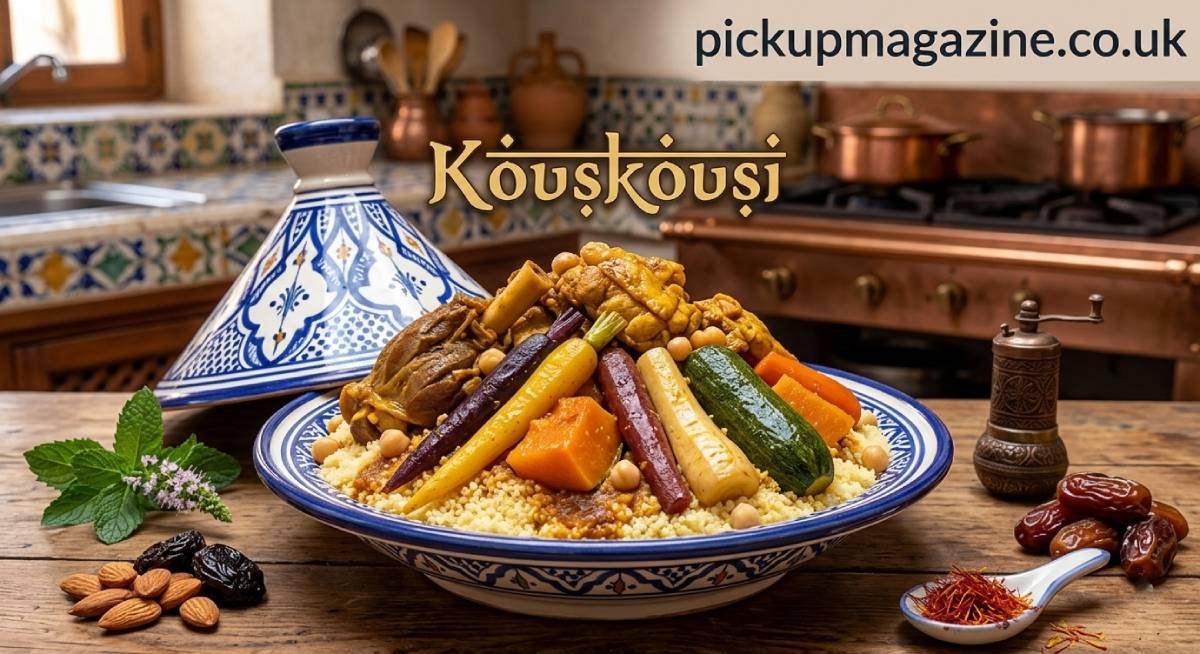
Few foods capture culture, comfort, and community quite like Kouskousi. Across North Africa and parts of the Mediterranean, this humble yet deeply meaningful dish has been served for generations, bringing families together around one large, shared plate. The aroma of steaming grains, slow-cooked vegetables, and flavorful broth fills kitchens and homes, making Kouskousi more than just a meal—it becomes a symbol of hospitality, heritage, and warmth.
At its heart, Kouskousi represents simplicity transformed into something extraordinary. Made primarily from tiny grains of semolina and paired with vegetables, meats, or legumes, the dish adapts easily to different regions and family traditions. Some prepare it for everyday dinners, while others reserve it for celebrations, gatherings, or religious holidays.
This article explores the story behind Kouskousi—its origins, cultural significance, preparation methods, regional varieties, and nutritional value. By the end, readers will understand why this centuries-old dish continues to thrive in modern kitchens and why it remains a treasured part of culinary heritage.
What Is Kouskousi?
Kouskousi is a traditional dish centered around steamed semolina grains commonly known as couscous. The grains are incredibly small, light, and fluffy when cooked properly, making them perfect for absorbing rich sauces and broths. The dish is typically served with vegetables such as carrots, zucchini, pumpkin, and chickpeas, along with lamb, chicken, or sometimes fish.
Unlike many grain-based dishes prepared directly in boiling water, Kouskousi traditionally involves steaming the grains multiple times. This careful process creates a delicate texture that distinguishes it from similar foods. The grains remain separate, airy, and soft, rather than clumped together.
The beauty of Kouskousi lies in its flexibility. Every household may prepare it slightly differently depending on ingredients, local traditions, or seasonal produce. Despite these variations, the essence remains the same: a nourishing dish meant to be shared.
Origins and Cultural Roots of Kouskousi
The roots of Kouskousi trace back centuries to the indigenous Berber communities of North Africa. Historians believe early forms of the dish appeared as far back as the 7th century. Over time, it spread across Morocco, Algeria, Tunisia, and Libya, eventually reaching Europe and other parts of the world.
For many families, preparing Kouskousi is deeply connected to cultural identity. It is often served on Fridays after communal prayers, during weddings, and at important celebrations. The dish symbolizes generosity because it is typically served on a large communal platter where everyone eats together.
Sharing food from one dish fosters conversation and connection. Elders often teach younger family members the traditional preparation techniques, ensuring the knowledge continues across generations.
Cultural Symbolism
Kouskousi is not simply nourishment; it carries social meaning. Preparing the dish often requires patience and cooperation, making it a shared activity within households.
Many communities associate it with:
- Hospitality toward guests
- Family unity and shared meals
- Celebration of traditions and heritage
Because of this cultural importance, Kouskousi has become a culinary ambassador representing North African cuisine worldwide.
Ingredients That Define Kouskousi
The foundation of Kouskousi lies in simple ingredients that combine to create a rich and satisfying meal. The grains themselves come from semolina, which is derived from durum wheat. However, the surrounding ingredients transform the dish into a complete, balanced meal.
Common Ingredients Used
| Ingredient | Purpose in the Dish | Flavor Contribution |
|---|---|---|
| Semolina grains | Main base of the dish | Light and neutral |
| Carrots | Adds sweetness and color | Mild sweetness |
| Zucchini | Provides soft texture | Subtle earthy flavor |
| Chickpeas | Adds protein and richness | Nutty taste |
| Lamb or chicken | Main protein | Deep savory flavor |
| Broth with spices | Cooking liquid | Aromatic and warm |
Spices play a vital role as well. Traditional seasoning blends often include cumin, coriander, turmeric, paprika, and sometimes cinnamon. These spices create the warm, comforting aroma associated with Kouskousi.
How Kouskousi Is Traditionally Prepared
Preparing Kouskousi using traditional methods is both an art and a ritual. Many families use a specialized cooking vessel known as a couscoussier, which consists of two stacked pots. The bottom pot cooks the stew, while the top section steams the grains.
Step-by-Step Traditional Preparation
- Preparing the grains
Semolina grains are lightly moistened and rolled by hand to ensure they remain separate. - First steaming process
The grains are placed in the upper pot to steam above the simmering stew. - Fluffing the grains
After steaming, the grains are removed and fluffed by hand, sometimes with a bit of olive oil or butter. - Second steaming
The grains return to the steamer for additional cooking to achieve a soft, fluffy texture. - Serving
The grains are placed on a large plate, and the vegetables and meat are arranged on top. Broth is poured gently over the dish.
This multi-step steaming process is what makes Kouskousi uniquely light and flavorful.
Regional Variations of Kouskousi
Although the core concept remains consistent, different regions have developed distinctive styles of preparing the dish.
Regional Styles Comparison
| Region | Typical Protein | Unique Characteristics |
|---|---|---|
| Morocco | Lamb or chicken | Often includes sweet elements like raisins |
| Algeria | Lamb and vegetables | Rich broth with bold spices |
| Tunisia | Fish or lamb | Spicier version with chili paste |
| Libya | Lamb or beef | Simpler seasoning and fewer vegetables |
Each variation reflects local agriculture, climate, and culinary preferences. Despite these differences, the comforting essence of Kouskousi remains unchanged.
Nutritional Value of Kouskousi
One reason Kouskousi has endured for centuries is its balanced nutritional profile. The dish combines grains, vegetables, protein, and spices into a wholesome meal that satisfies both hunger and health needs.
Nutritional Breakdown (Approximate)
| Nutrient | Benefit | Contribution |
|---|---|---|
| Carbohydrates | Energy source | From semolina grains |
| Protein | Muscle repair and growth | From meat and chickpeas |
| Fiber | Digestive health | From vegetables and legumes |
| Vitamins | Immune support | From fresh vegetables |
| Minerals | Bone and metabolic health | From grains and spices |
The inclusion of vegetables and legumes makes Kouskousi a well-rounded meal that provides sustained energy without feeling overly heavy.
Kouskousi in Modern Kitchens
While traditional preparation methods remain popular, modern cooking techniques have simplified the process. Many people now prepare Kouskousi using instant couscous or simplified steaming methods.
Despite these shortcuts, the dish still retains its cultural spirit. Home cooks experiment with ingredients such as roasted vegetables, seafood, or vegetarian variations. Some chefs also present Kouskousi in contemporary ways while maintaining its traditional flavor base.
The adaptability of the dish allows it to fit seamlessly into both traditional and modern lifestyles. Whether cooked slowly on a weekend or quickly on a weeknight, the core experience remains comforting and satisfying.
Why Kouskousi Remains a Beloved Dish
Food trends change constantly, yet certain dishes endure because they fulfill deeper emotional and cultural needs. Kouskousi continues to thrive because it balances flavor, tradition, and nourishment.
Its enduring popularity comes from several factors:
- It is simple yet deeply flavorful.
- It can feed many people economically.
- It adapts to different ingredients and diets.
- It carries strong cultural and family traditions.
Meals built around sharing naturally strengthen bonds between people. Kouskousi embodies this spirit perfectly, making it more than just a recipe—it becomes an experience.
Conclusion
Kouskousi stands as a powerful example of how food can represent culture, history, and community all at once. What began centuries ago as a practical grain Dish in North Africa has evolved into a beloved culinary tradition enjoyed around the world. Through its fluffy semolina base, rich vegetable stews, and aromatic spices, it delivers both nourishment and comfort.
The preparation process teaches patience and respect for tradition, while the communal style of serving reminds people of the importance of gathering together. From Moroccan kitchens to modern global restaurants, Kouskousi continues to bridge generations and cultures.
For anyone exploring global cuisine or simply searching for a wholesome meal that brings people together, Kouskousi offers something special. Its enduring presence proves that the most meaningful foods are often those rooted in simplicity, tradition, and shared experience.
Frequently Asked Questions (FAQs)
1. What is Kouskousi made from?
Kouskousi is primarily made from steamed semolina grains derived from durum wheat. It is usually served with vegetables, chickpeas, and meat such as lamb or chicken in a flavorful broth.
2. Is Kouskousi the same as couscous?
Kouskousi refers to the traditional dish built around couscous grains. While couscous describes the grains themselves, Kouskousi often refers to the full meal including stew, vegetables, and spices.
3. Is Kouskousi healthy?
Yes, Kouskousi can be a nutritious meal. It contains carbohydrates for energy, protein from meat or legumes, and fiber and vitamins from vegetables.
4. Can Kouskousi be made vegetarian?
Absolutely. Many vegetarian versions replace meat with chickpeas, lentils, or roasted vegetables while keeping the flavorful broth and spices.
5. When is Kouskousi traditionally served?
In many North African cultures, it is commonly served on Fridays after communal prayers and during family gatherings, celebrations, and special occasions.

Introduction
In many cultures, food plays a powerful role in building relationships, strengthening communities, and expressing generosity. One tradition that beautifully reflects this idea is Bjudlunch. The word comes from Swedish, where “bjud” means to invite or treat someone, and “lunch” refers to the midday meal. In simple terms, a Bjudlunch is a lunch invitation where the host treats others to a meal, often as a gesture of appreciation, hospitality, or celebration.
A Bjudlunch is more than just eating together. It creates an opportunity for people to connect, discuss ideas, celebrate achievements, or simply enjoy each other’s company. Whether it takes place in a workplace, at a family gathering, or during a professional meeting, the concept emphasizes generosity and social bonding.
This article explores the deeper meaning and cultural value of Bjudlunch. It explains its origins, its role in modern social life, how it is organized, and why it continues to be a meaningful tradition in both personal and professional settings.
Understanding the Meaning of Bjudlunch
A Bjudlunch refers to a lunch hosted by someone who invites others and usually covers the cost of the meal. This tradition often appears in Swedish culture but has parallels in many parts of the world.
The idea behind Bjudlunch is simple: sharing food strengthens relationships. When someone hosts a meal, it shows appreciation and respect toward guests. It also creates an atmosphere where conversations flow naturally and connections deepen.
Unlike formal dinners, Bjudlunch gatherings are usually relaxed and friendly. They can take place at restaurants, offices, homes, or outdoor settings. The focus is not just on the food but also on the experience of spending time together.
Many companies and organizations also use Bjudlunch gatherings to encourage teamwork and collaboration.
Basic Overview of Bjudlunch
Before exploring the cultural and social aspects, it helps to look at the basic characteristics of a Bjudlunch event.
Table 1: Key Information About Bjudlunch
| Aspect | Description |
|---|---|
| Origin | Swedish cultural practice |
| Meaning | Inviting others to lunch and treating them |
| Purpose | Social connection, appreciation, or discussion |
| Common Locations | Restaurants, offices, homes |
| Typical Guests | Friends, colleagues, clients, or family |
This simple concept carries deeper meaning because it reflects generosity and hospitality.
Cultural Significance of Bjudlunch
Food traditions often reveal the values of a culture. Bjudlunch reflects several important social values that are deeply rooted in Scandinavian societies.
Hospitality and Generosity
Inviting someone to a meal demonstrates kindness and openness. In many cultures, offering food is one of the most sincere ways to welcome guests.
Bjudlunch highlights this principle by emphasizing the host’s willingness to treat others.
Building Social Connections
Meals bring people together. When individuals share food, conversations become more relaxed and natural.
A Bjudlunch setting allows people to connect beyond formal roles or responsibilities. Friends strengthen friendships, colleagues improve cooperation, and families reinforce emotional bonds.
Creating Equal and Comfortable Spaces
Lunch gatherings often feel less formal than dinners or official meetings. This relaxed environment allows participants to speak freely and exchange ideas.
Because of this, Bjudlunch is often used in professional contexts where collaboration and communication are important.
Bjudlunch in Professional Settings
In modern workplaces, shared meals can play an important role in strengthening team dynamics. Many organizations organize Bjudlunch gatherings to encourage collaboration.
Team Building and Workplace Culture
When colleagues eat together, barriers often disappear. Casual conversations during lunch can lead to creative ideas and stronger relationships.
Managers sometimes host Bjudlunch events to thank employees for their efforts or celebrate project milestones.
These gatherings can also help new employees feel more comfortable within a team.
Networking Opportunities
Professionals often use lunch meetings to discuss partnerships or explore new opportunities. A Bjudlunch creates a friendly environment where people can talk openly without the pressure of formal negotiations.
Many business deals begin with informal conversations over lunch.
Celebrating Achievements
Companies sometimes organize Bjudlunch events to celebrate accomplishments. Whether it’s completing a successful project or reaching a sales goal, sharing a meal helps recognize team efforts.
Such celebrations strengthen workplace morale and motivation.
Common Situations Where Bjudlunch Occurs
Bjudlunch events can happen in many different contexts. The purpose often determines the style and setting of the gathering.
Family Gatherings
Families often organize lunch invitations during holidays, birthdays, or weekend visits. These gatherings create opportunities to reconnect and enjoy quality time together.
Parents might host extended family members or invite friends to join.
Academic and Community Events
Universities and community groups sometimes arrange lunch events for discussions, workshops, or cultural celebrations.
These gatherings help participants share knowledge while building social connections.
Informal Celebrations
Sometimes a Bjudlunch is simply a way to celebrate good news. A promotion, graduation, or personal milestone may inspire someone to invite friends or colleagues for lunch.
The act of sharing food becomes a meaningful way to mark important moments.
Table 2: Typical Settings for Bjudlunch
| Setting | Purpose |
|---|---|
| Workplace | Team collaboration or appreciation |
| Restaurant | Social gatherings or business meetings |
| Home | Family or friendly celebrations |
| Community Events | Cultural or educational activities |
Each setting creates a slightly different atmosphere, but the core idea of generosity remains the same.
Planning a Successful Bjudlunch
Hosting a Bjudlunch does not require elaborate preparations, but thoughtful planning can enhance the experience for guests.
Choosing the Right Location
The setting should match the purpose of the event. For business meetings, a quiet restaurant or office space may be ideal. For family gatherings, a comfortable home environment often works best.
The goal is to create an atmosphere where guests feel relaxed and welcomed.
Selecting the Menu
Food plays a central role in any lunch gathering. The menu should consider guests’ preferences and dietary needs.
Some hosts prefer simple dishes that encourage conversation rather than elaborate meals that demand attention.
Creating a Welcoming Environment
Small gestures can make a big difference. Friendly greetings, comfortable seating arrangements, and engaging conversations help guests feel valued.
A successful Bjudlunch focuses on people rather than perfection.
Table 3: Elements of a Memorable Bjudlunch
| Element | Importance |
|---|---|
| Comfortable Setting | Encourages open conversation |
| Thoughtful Menu | Shows consideration for guests |
| Friendly Atmosphere | Makes everyone feel welcome |
| Meaningful Interaction | Strengthens relationships |
These elements help transform a simple lunch into a memorable social experience.
Real-Life Example of a Bjudlunch
Consider a manager who invites team members to lunch after completing a challenging project. Instead of discussing deadlines or performance metrics, the group spends time sharing stories and enjoying good food.
During the meal, team members talk about their experiences, celebrate achievements, and exchange ideas for future projects.
This simple lunch invitation strengthens trust and encourages collaboration.
Similarly, friends might organize a weekend Bjudlunch at a local café to reconnect after months apart. These moments remind people of the value of shared experiences.
Bjudlunch in Modern Society
Even in an increasingly digital world, the importance of face-to-face interaction remains strong. Bjudlunch traditions continue to thrive because they fulfill a fundamental human need for connection.
Technology may help people communicate instantly, but shared meals offer something deeper: genuine presence and meaningful conversation.
Restaurants, coworking spaces, and community centers often encourage group lunches because they foster social interaction.
The tradition of Bjudlunch demonstrates that hospitality and generosity still play an essential role in modern social life.
Conclusion
Bjudlunch is a simple yet powerful tradition that reflects generosity, hospitality, and human connection. By inviting others to share a meal, hosts create opportunities for conversation, collaboration, and celebration.
Throughout this article, we explored the meaning, cultural significance, and practical aspects of Bjudlunch. From workplace gatherings to family celebrations, this tradition strengthens relationships and fosters a sense of community.
The beauty of Bjudlunch lies in its simplicity. A shared Meal can bring people closer together, inspire meaningful conversations, and create lasting memories.
Whether in personal or professional settings, hosting a Bjudlunch remains one of the most genuine ways to show appreciation and build connections.
Frequently Asked Questions (FAQs)
1. What does Bjudlunch mean?
Bjudlunch is a Swedish term meaning “invited lunch” or “treating someone to lunch,” where the host invites guests and pays for the meal.
2. Where does the tradition of Bjudlunch come from?
The concept originates from Swedish culture, where inviting others to meals is a common expression of hospitality and appreciation.
3. Is Bjudlunch used in business settings?
Yes, many professionals organize lunch invitations to discuss projects, strengthen teamwork, or build professional relationships.
4. What makes a good Bjudlunch gathering?
A welcoming atmosphere, thoughtful menu, comfortable setting, and engaging conversation all contribute to a successful gathering.
5. Can Bjudlunch be organized at home?
Absolutely. Many hosts invite friends or family to their homes for lunch gatherings, making the experience more personal and relaxed.
-

 Celebrity2 months ago
Ben Shephard Wife Illness: The Truth, Timeline, and What We Know Today
-

 Celebrity2 months ago
Mark Redknapp: The Life, Family And Journey Behind The Famous Name
-

 Celebrity2 months ago
Carrie Schenken: A Private Life, Public Curiosity, and Lasting Partnership
-

 Celebrity2 months ago
Denika Kisty: Life, Legacy, and Strength Beyond Fame
-

 Celebrity2 months ago
Kelly Frayne: A Complete Guide to Her Life, Career, and Growing Public Interest
-

 Celebrity2 months ago
Miriam Wilcox: Story, Illness, Family, And The Quiet Power Of A Private Life
-

 Celebrity2 months ago
Henry Zeffman Partner: What We Know About His Private Life and Relationships
-

 Celebrity2 months ago
Linford Christie Wife: Untold Facts, Personal Life & Truth Behind the Legend