
Celebrity
Carrie Schenken: A Private Life, Public Curiosity, and Lasting Partnership
An in-depth look at Carrie Schenken, her life, values, relationship, and why public interest surrounds her quiet, private presence.

Introduction
The name carrie schenken often appears in conversations shaped by curiosity rather than controversy. People searching for her are usually not looking for headlines or dramatic revelations. Instead, they want clarity. Who is Carrie Schenken? Why does her name come up so often, yet so little seems publicly known? In a culture where visibility is frequently equated with importance, Carrie Schenken stands out precisely because of her discretion.
This article offers a comprehensive and respectful exploration of Carrie Schenken. It looks at her background, personal values, relationship, and the broader meaning of living a private life connected to a public figure. Rather than speculating or exaggerating, the focus remains on context, intention, and the quiet strength of choosing privacy. By the end, readers will understand why Carrie Schenken matters, even without a public-facing career or constant media presence.
Who Is Carrie Schenken? Understanding the Context
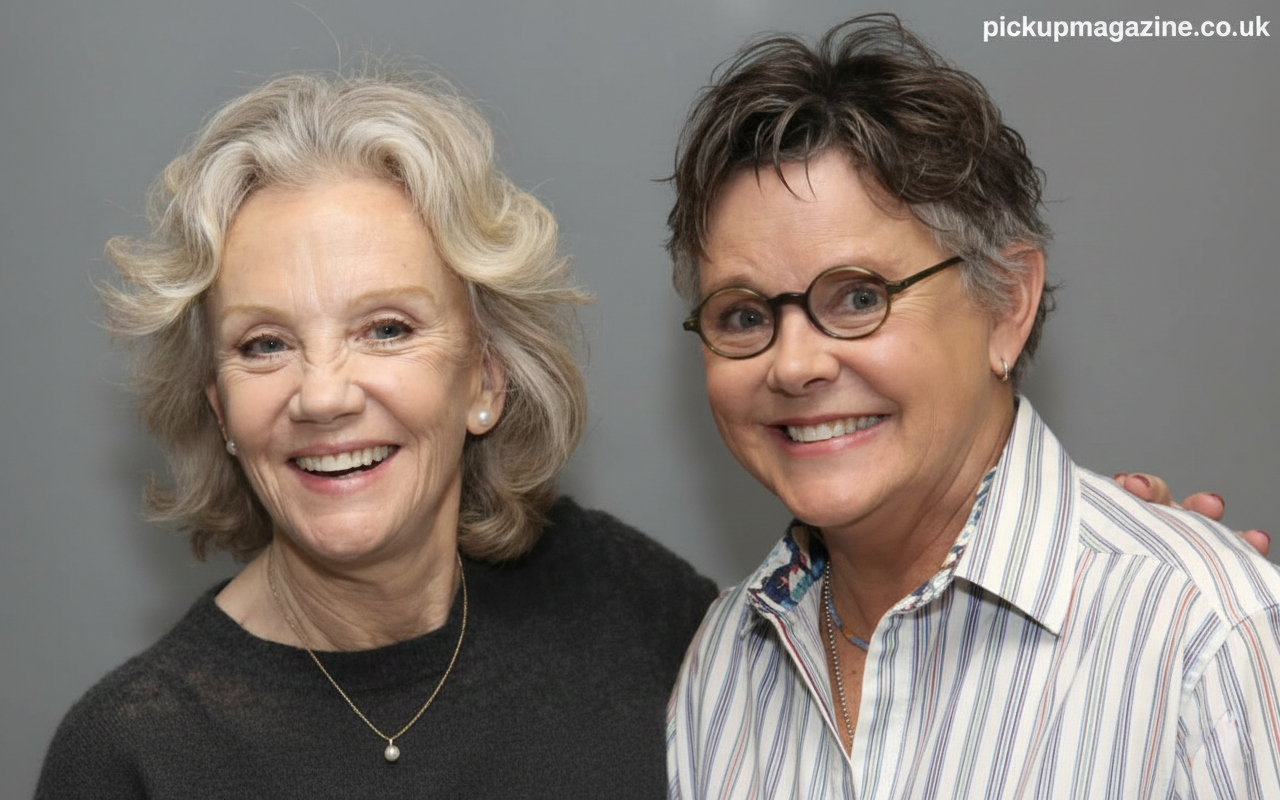
To understand Carrie Schenken, it’s important to begin with what is verifiably known and why that information is limited by design. Carrie Schenken is best known through her long-term partnership with actress and director Amanda Bearse. Unlike many individuals connected to public figures, Schenken has never sought the spotlight for herself.
Her public identity is defined less by profession or appearances and more by her role as a supportive partner and private individual. This distinction matters. It signals a conscious choice to separate personal life from public attention, even when association alone could invite it.
Quick Biographical Overview
A short informational table helps ground expectations early and avoids misconceptions.
| Detail | Known Information |
|---|---|
| Name | Carrie Schenken |
| Public Role | Private individual |
| Known For | Long-term partnership |
| Media Presence | Minimal |
| Approach to Privacy | Intentional and consistent |
This overview reflects not a lack of substance, but a preference for boundaries.
Why Carrie Schenken Draws Public Interest
Public curiosity about Carrie Schenken is rooted in contrast. In an era when partners of public figures often become influencers or personalities themselves, Schenken’s low profile stands out. That contrast naturally invites questions.
People are also drawn to examples of lasting relationships, especially within creative industries known for instability. Carrie Schenken’s name surfaces because it represents something increasingly rare: a stable, long-term partnership that exists without constant explanation.
A Relationship Built Away From the Spotlight
Long-Term Partnership and Commitment
Carrie Schenken has been in a committed relationship with Amanda Bearse for decades. Their partnership is often cited as an example of longevity and mutual respect. While public details are scarce, the length and consistency of their relationship speak volumes.
Longevity doesn’t happen by accident. It usually reflects shared values, communication, and adaptability. Even without interviews or public commentary, these qualities are evident in the endurance of their bond.
Why Privacy Strengthens Some Relationships
Privacy can act as insulation. Without external opinions shaping internal dynamics, couples often have more room to grow authentically. For Carrie Schenken, remaining private may be a way to protect what matters most.
Think of it like a library rather than a stage. Quiet spaces allow deeper reflection and stronger foundations. Not every meaningful life needs an audience.
Life Beyond Public Labels
One of the challenges with names like Carrie Schenken is the temptation to define them solely through association. That approach misses the point. A person’s worth is not measured by visibility.
While her professional background is not publicly documented, that absence doesn’t imply inactivity or lack of purpose. Many people contribute meaningfully to family, community, or creative environments without public recognition.
Public Figures and Private Partners
To better understand Carrie Schenken’s role, it helps to compare different approaches taken by partners of public figures.
| Partner Visibility Style | Common Traits | Long-Term Impact |
|---|---|---|
| Highly Visible | Media appearances, interviews | Recognition, scrutiny |
| Selective Presence | Occasional mentions | Balance |
| Fully Private | No public engagement | Stability, autonomy |
Carrie Schenken clearly aligns with the fully private approach. This choice preserves individuality rather than subsuming it into someone else’s public identity.
Cultural Shifts and the Value of Privacy
Modern culture often rewards oversharing. Social platforms encourage constant updates, and personal lives can become content. Against this backdrop, privacy becomes a form of quiet resistance.
Carrie Schenken’s approach reflects a broader Cultural need to reclaim boundaries. Her life demonstrates that it’s possible to be connected to fame without being consumed by it. That lesson resonates far beyond celebrity culture.
Respectful Curiosity Versus Invasive Interest
There is a meaningful difference between wanting to understand and wanting to intrude. Most interest in Carrie Schenken falls into the first category. People aren’t seeking scandal; they’re seeking context.
Responsible discussion acknowledges limits. When information isn’t shared publicly, it’s usually for good reason. Respecting that choice is part of understanding the person behind the name.
Lessons From a Quiet Life
Carrie Schenken’s story offers several takeaways that apply broadly:
- Visibility is optional, not mandatory, for a meaningful life
- Long-term relationships benefit from protected space
- Identity doesn’t require public validation
These ideas challenge common assumptions and offer reassurance to those who value substance over spectacle.
Why Carrie Schenken Matters Today
In a time when attention often feels like currency, Carrie Schenken represents a different value system. Her significance lies not in what is publicly documented, but in what is intentionally preserved.
People searching for her name are often responding to that contrast. It invites reflection on how we define success, fulfillment, and partnership in modern life.
Frequently Asked Questions (FAQs)
Who is Carrie Schenken?
Carrie Schenken is a private individual best known for her long-term partnership with actress and director Amanda Bearse.
Is Carrie Schenken a public figure?
No, she maintains a private life and does not engage in public media or appearances.
Why is Carrie Schenken well known?
Public interest comes from her long-lasting relationship and her choice to remain out of the spotlight.
Does Carrie Schenken work in entertainment?
There is no public information confirming involvement in the entertainment industry.
Why is so little information available about her?
The limited information reflects a deliberate and consistent choice to value privacy over public exposure.
Conclusion
Carrie Schenken is not a mystery to be solved but a reminder of something easily forgotten: privacy can be powerful. This article explored who she is, why public interest exists, and what her approach to life reveals about boundaries, Relationships, and quiet confidence.
The key takeaway is both simple and motivating. A meaningful life doesn’t require constant explanation. Whether connected to public figures or not, choosing how much to share is an act of self-respect. Carrie Schenken’s example encourages readers to honor their own boundaries and recognize that depth often lives beyond the spotlight.
Introduction
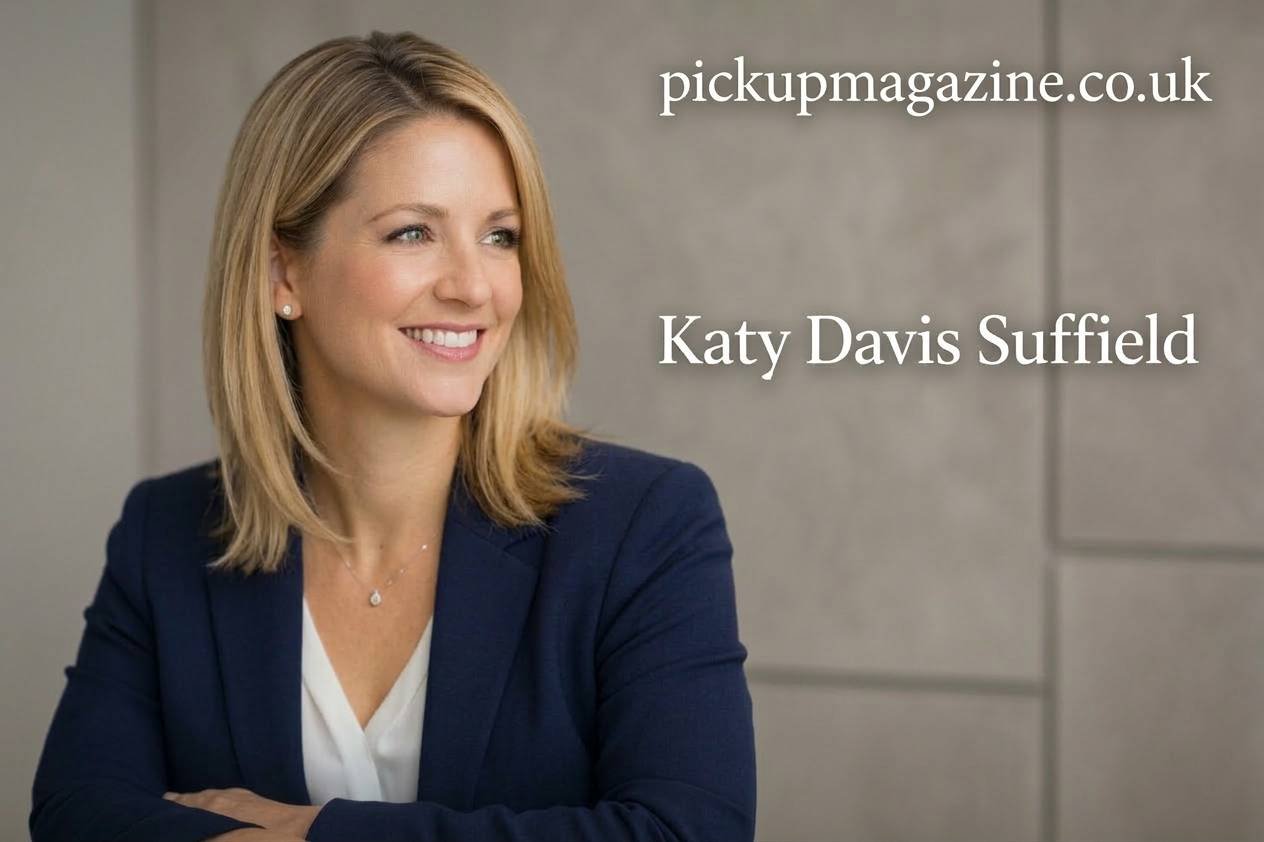
In the world of modern agricultural education, a few educators stand out for their ability to connect science, leadership, and real-world experience. Katy Davis Suffield is one of those individuals. Known for her role as an agriscience educator in Connecticut, she has become a respected figure in the effort to prepare students for careers in agriculture, environmental science, and sustainability. Her work blends classroom instruction with hands-on experiences, giving students the tools to understand both the science and the practice of agriculture.
The story of Katy Davis Suffield is not simply about teaching high school classes. It is about mentorship, innovation, and community engagement. From her early experiences with youth agricultural programs to her current role guiding students at the Suffield Regional Agriscience Center, her career demonstrates how education can shape future leaders in vital industries. Through advocacy, experiential learning, and leadership programs, she continues to influence how agricultural education evolves.
This article explores her background, career, teaching philosophy, and broader impact. Readers will discover how her work connects education with real-world agricultural practices and why her contributions matter to students, communities, and the future of agriculture.
Who Is Katy Davis Suffield?
Before exploring her influence and achievements, it helps to understand the person behind the name. Katy Davis Suffield is an agriscience educator based in Suffield, Connecticut. She teaches at the Suffield Regional Agriscience Center, a specialized program located within Suffield High School that focuses on agricultural science education.
Her role involves more than traditional classroom instruction. She helps design curriculum, mentor students through agricultural projects, and guide them toward career paths in agriculture and environmental sciences.
Quick Profile of Katy Davis Suffield
| Detail | Information |
|---|---|
| Full Name | Katy Davis |
| Profession | Agriscience Educator |
| Workplace | Suffield Regional Agriscience Center |
| School | Suffield High School |
| Location | Suffield, Connecticut, USA |
| Education | B.S. in Agriculture and Natural Resources |
| Alma Mater | University of Connecticut |
| Student Programs | FFA and agriscience career pathways |
Her career illustrates how educators can serve as both teachers and mentors. Students often interact with her not only in lectures but also in greenhouses, laboratories, and agricultural facilities where practical learning occurs.
Early Life and Interest in Agriculture
Like many successful educators, the journey of Katy Davis Suffield began long before she entered a classroom as a teacher. Growing up in Connecticut, she developed an early connection to agriculture and rural community life. Exposure to farming traditions and agricultural programs helped shape her understanding of how food systems, environmental stewardship, and community development intersect.
Youth agricultural organizations also played an important role in her early development. Programs such as 4-H provide young participants with opportunities to explore farming, animal care, and leadership skills. These experiences allowed her to develop both practical knowledge and a sense of responsibility toward agriculture.
Her early interests gradually evolved into a clear academic direction. Instead of pursuing a career purely in farming or agricultural research, she discovered a passion for teaching others about the field. This realization led her toward higher education in agricultural sciences.
Academic Background and University Education
Education played a central role in shaping the expertise of Katy Davis Suffield. She attended the University of Connecticut, where she earned a Bachelor of Science degree in Agriculture and Natural Resources.
The University of Connecticut is known for its strong agricultural programs. Students studying agriculture there are exposed to a combination of classroom learning, laboratory work, and field experiences. This balanced approach provided Davis with a deep understanding of both scientific theory and agricultural practice.
One of the most influential parts of her university experience was working with the university’s dairy herd. She served as a year-round crew member on the farm, gaining hands-on experience in livestock care, nutrition, and farm management.
This practical training shaped the way she later approached teaching. Instead of focusing only on theoretical concepts, she developed a philosophy centered on experiential learning.
Skills and Knowledge Developed During University
| Skill Area | Practical Application |
|---|---|
| Livestock management | Caring for dairy cattle and maintaining herd health |
| Farm operations | Understanding daily agricultural production systems |
| Environmental awareness | Learning sustainable agricultural practices |
| Scientific research | Applying biological and agricultural sciences |
| Leadership | Working in teams and guiding younger students |
These experiences built the foundation for her future career as an educator and mentor.
The Role of Katy Davis Suffield at the Agriscience Center
The Suffield Regional Agriscience Center is one of Connecticut’s specialized high school programs dedicated to agricultural education. Students enrolled in the program study a wide range of subjects related to agriculture, science, and environmental management.
Within this environment, Katy Davis Suffield plays a crucial role in guiding students through both academic and practical learning. She teaches courses that may include plant science, animal science, agricultural technology, and environmental studies.
Her work also involves supervising student research projects and agricultural experiments. Students might grow crops in greenhouses, study soil conditions, or learn about livestock management. These experiences allow them to apply scientific principles in real situations.
Another major responsibility is supporting student leadership programs. Agricultural education programs often include organizations where students develop leadership skills, teamwork, and public speaking abilities. Through mentorship, she helps students grow not only academically but personally as well.
A Teaching Philosophy Built on Hands-On Learning
A defining feature of Katy Davis Suffield’s approach to education is the concept of learning through experience. Agricultural science is inherently practical. While textbooks can explain plant biology or animal nutrition, true understanding often comes from direct interaction with living systems.
Her teaching style encourages students to engage physically with the subject matter. For example, instead of simply reading about soil composition, students might analyze soil samples from local farms. Instead of discussing livestock care in theory, they may participate in animal husbandry activities.
This approach benefits students in several ways:
- It makes lessons more memorable and engaging.
- It helps students develop practical skills.
- It builds confidence in real-world problem solving.
By bridging the gap between science and practice, her teaching prepares students for careers that demand both knowledge and practical ability.
Agricultural Career Pathways for Students
Agriculture today is far more diverse than traditional farming. Modern agricultural industries include biotechnology, environmental conservation, food science, and agricultural engineering.
Under the guidance of Katy Davis Suffield, students explore these diverse pathways and learn how agriculture intersects with science and technology.
Major Agriscience Career Pathways
| Career Pathway | Skills Learned | Example Careers |
|---|---|---|
| Animal Science | Animal care, nutrition, veterinary basics | Veterinarian, livestock manager |
| Plant Science | Crop growth, soil science, greenhouse management | Agronomist, botanist |
| Environmental Science | Conservation practices, ecosystem study | Environmental scientist |
| Agricultural Technology | Data analysis, precision farming tools | Agricultural engineer |
| Food Science | Food safety, nutrition, production processes | Food scientist |
These pathways allow students to discover career interests early while developing specialized skills.
Leadership and Student Development Programs
Agricultural education often includes leadership organizations that encourage students to build communication and management skills. One such organization commonly associated with agriscience programs is FFA, which focuses on agricultural leadership and career development.
At the Suffield program, Katy Davis Suffield helps guide students participating in these leadership opportunities. Students may compete in academic competitions, develop agricultural projects, or participate in community outreach.
These programs help young people gain confidence and develop skills that extend beyond agriculture. Public speaking, teamwork, project planning, and leadership are all essential abilities cultivated through such experiences.
For many students, these programs become the foundation for future careers in science, education, environmental management, or agricultural business.
Advocacy and Community Engagement
Education does not exist in isolation. Schools, communities, and policymakers all influence how programs operate. In the case of agricultural education, funding and legislative support are often crucial.
Katy Davis Suffield has demonstrated commitment to advocating for agriscience education. When funding for agricultural programs was under discussion in Connecticut, she provided testimony explaining the importance of these programs for students and communities.
Her advocacy highlights a key reality: agricultural education prepares students for industries that support food production, environmental stewardship, and economic development.
Community engagement is another aspect of her work. Agriscience programs often collaborate with local farms, environmental organizations, and universities. These partnerships allow students to gain exposure to real agricultural operations while strengthening connections between schools and communities.
Global and Experiential Learning Opportunities
Education becomes even more meaningful when students experience different cultures and agricultural systems. Field trips, research programs, and international experiences help broaden students’ perspectives.
One example connected to Katy Davis Suffield is the organization of international educational trips for students interested in agriculture. These experiences allow participants to observe how farming practices differ across regions and climates.
For instance, studying agriculture in a country with volcanic soils, unique ecosystems, or innovative farming methods can inspire students to think creatively about sustainability.
Such global exposure reinforces an important lesson: agriculture is both local and global. Understanding diverse agricultural systems helps students become adaptable thinkers who can address future challenges.
The Broader Impact of Agriscience Education
The work of educators like Katy Davis Suffield highlights the broader importance of agricultural education in modern society. Agriculture is not only about producing food. It also involves environmental conservation, biotechnology research, and sustainable land management.
Agriscience programs help students understand the complex systems that support food production and environmental health. They encourage responsible stewardship of natural resources and promote scientific curiosity.
Students who participate in these programs often pursue careers that influence critical industries. Some become farmers or agricultural researchers, while others work in environmental science, food safety, or agricultural engineering.
In this way, educators who dedicate their careers to agriscience education contribute to a larger mission: preparing the next generation to address global challenges related to food security and sustainability.
Conclusion
The story of Katy Davis Suffield demonstrates how one educator can influence an entire generation of students. Through her role at the Suffield Regional Agriscience Center, she has helped transform agricultural education into an engaging and practical learning experience.
Her journey—from early agricultural involvement to university training and professional teaching—illustrates the power of combining knowledge with real-world application. By emphasizing experiential learning, leadership development, and community engagement, she prepares students not only for careers but for responsible participation in society.
Agriculture remains one of the most important industries in the world. Educators who inspire curiosity and skill in this field play a crucial role in shaping the future. The work of dedicated teachers like Katy Davis continues to strengthen the connection between education, community, and the agricultural world.
Frequently Asked Questions (FAQs)
1. Who is Katy Davis Suffield?
Katy Davis is an agriscience educator at the Suffield Regional Agriscience Center in Connecticut. She teaches agricultural science and mentors students interested in agriculture and environmental fields.
2. Where does Katy Davis Suffield teach?
She teaches at the Suffield Regional Agriscience Center located within Suffield High School in Suffield, Connecticut.
3. What did Katy Davis study in college?
She earned a Bachelor of Science degree in Agriculture and Natural Resources from the University of Connecticut.
4. What subjects does she teach in agriscience programs?
Her teaching areas include plant science, animal science, agricultural technology, and environmental science.
5. Why is agriscience education important?
Agriscience programs prepare students for careers in agriculture, environmental conservation, food science, and related industries while promoting hands-on scientific learning.

Introduction
Some names gain attention not because they actively seek the spotlight but because of their connection to influential figures and fascinating personal histories. Mitchell Moranis is one such individual whose name often appears in discussions related to family heritage, entertainment history, and the legacy of creative personalities. Although he has largely maintained a private lifestyle, interest in Mitchell Moranis continues to grow as people look for insights into his background, upbringing, and family connections.
Understanding Mitchell Moranis involves exploring more than just a name. It means examining the environment in which he grew up, the influence of his family, and the cultural legacy connected to his surname. Being associated with a well-known creative figure naturally brings curiosity from fans and observers who want to learn about the lives of family members beyond the public spotlight.
This comprehensive guide explores the life, family background, education, and personal story of Mitchell Moranis. By looking at these aspects, readers can gain a deeper appreciation for how personal identity, family legacy, and privacy can coexist even when connected to a famous name.
Who Is Mitchell Moranis?
Mitchell Moranis is widely recognized as the son of Canadian Actor, comedian, and writer Rick Moranis, a beloved figure in the world of film and comedy. Rick Moranis became famous through iconic roles in movies such as Ghostbusters, Honey, I Shrunk the Kids, and Spaceballs. Because of this connection, Mitchell Moranis has occasionally drawn attention from fans interested in the actor’s personal life and family.
Despite his connection to a well-known entertainment figure, Mitchell Moranis has chosen to live largely outside of the public spotlight. Unlike many individuals with celebrity family members, he has not pursued a high-profile career in entertainment.
This decision highlights an important aspect of modern celebrity culture: not everyone connected to fame seeks public recognition. Many individuals prefer to develop their own identities and careers independently of family reputation.
Quick Biography Overview
| Attribute | Details |
|---|---|
| Full Name | Mitchell Moranis |
| Known For | Son of actor Rick Moranis |
| Nationality | Canadian |
| Family Background | Film and comedy industry |
| Public Profile | Mostly private life |
This overview helps readers quickly understand the key facts about Mitchell Moranis and the reason his name sometimes appears in public discussions.
Family Legacy and Cultural Influence
Family heritage often plays a powerful role in shaping personal identity. In the case of Mitchell Moranis, his family legacy is strongly connected to the entertainment world.
Rick Moranis became widely known during the 1980s and 1990s for his distinctive comedic style and memorable performances. His characters often combined humor with a relatable sense of awkwardness, which made him one of the most recognizable comedic actors of his era.
Growing up in a family connected to film and comedy likely exposed Mitchell Moranis to creative environments and artistic conversations. These experiences can shape a person’s perspective even if they choose not to pursue the same career path.
Family legacy can be both an opportunity and a responsibility. It provides inspiration while also encouraging individuals to define their own personal journeys.
Early Life and Childhood
The early years of Mitchell Moranis were shaped by both family love and significant life changes. One of the most defining moments in the Moranis family story occurred when Rick Moranis stepped away from his acting career to focus on raising his children after the loss of his wife.
This decision became widely respected in the entertainment industry. Instead of continuing a successful Hollywood career, Rick Moranis prioritized family life and personal responsibilities. As a result, Mitchell Moranis and his sibling grew up in an environment where family commitment and parental presence were deeply valued.
Such experiences often shape a person’s understanding of priorities. When children grow up in supportive environments where family bonds are strong, it can influence their values and outlook on life.
The Influence of Rick Moranis
The career of Rick Moranis naturally plays a role in public interest surrounding Mitchell Moranis. Rick Moranis became a beloved figure through his work in comedy films and television.
Some of his most memorable performances include roles in classic films that continue to be enjoyed by audiences today. His unique comedic delivery and warm on-screen personality helped define a generation of family-friendly entertainment.
The table below highlights some of Rick Moranis’s most famous films.
| Film | Year | Role |
|---|---|---|
| Ghostbusters | 1984 | Louis Tully |
| Honey, I Shrunk the Kids | 1989 | Wayne Szalinski |
| Spaceballs | 1987 | Dark Helmet |
| Little Shop of Horrors | 1986 | Seymour Krelborn |
Growing up with a parent who achieved this level of cultural impact can shape how children perceive creativity, storytelling, and public recognition.
Living Outside the Spotlight
One of the most notable aspects of Mitchell Moranis is his decision to maintain a private life. While many children of celebrities pursue careers in entertainment, Mitchell has largely stayed away from public attention.
This choice reflects a broader trend among individuals connected to famous families. Some prefer to build their lives and careers outside the influence of media exposure.
Privacy allows individuals to explore personal interests and professional goals without constant public scrutiny. For Mitchell Moranis, this approach appears to have been an important part of maintaining independence and normalcy.
Education and Personal Development
Education often plays a key role in shaping the future paths of individuals raised in well-known families. Although detailed information about Mitchell Moranis’s academic background remains limited, education likely played an important role in his upbringing.
Families that value intellectual growth often encourage curiosity, reading, and exploration of different disciplines. Exposure to arts, literature, and film through a creative household can also broaden a person’s interests.
Education provides the foundation for discovering passions and career aspirations. Whether someone chooses business, science, technology, or creative fields, academic experiences often influence these decisions.
Celebrity Families and Identity
The story of Mitchell Moranis reflects a common theme in celebrity families: the challenge of forming an independent identity while being connected to a well-known name.
Children of public figures often grow up with two distinct worlds. One world includes the normal experiences of childhood and education, while the other includes public curiosity about their family.
Balancing these worlds can shape personal resilience and self-awareness. Individuals who successfully maintain privacy while developing their own identities demonstrate strong personal independence.
Key Lessons from Mitchell Moranis’s Story
The story of Mitchell Moranis offers insights into family values, personal choices, and the impact of celebrity culture.
Important Insights
- Family priorities can shape personal values and character
- Privacy remains important even in famous families
- Children of public figures often create their own paths
- Strong family support influences long-term personal development
These lessons highlight the human side of stories connected to fame and public attention.
The Broader Context of Entertainment Families
Families connected to the entertainment industry often navigate unique challenges and opportunities. The visibility of film and television careers can create curiosity about personal lives.
However, many families choose to separate public work from private life. This approach allows children to grow up with greater stability and independence.
The Moranis family story demonstrates how parental choices can influence the upbringing of children. Rick Moranis’s decision to prioritize family life remains widely respected and continues to shape public perception of his legacy.
The Future Path of Mitchell Moranis
Because Mitchell Moranis maintains a low public profile, much about his future remains unknown. This uncertainty reflects his preference for privacy and independence.
Rather than being defined solely by family connections, individuals like Mitchell often pursue careers and interests that align with their personal goals.
The future may include professional achievements outside the entertainment world or contributions in fields that remain private. Whatever direction his life takes, the ability to shape one’s own path remains one of the most important aspects of personal growth.
Conclusion
Mitchell Moranis represents a compelling example of how individuals connected to famous families can choose privacy and independence over public attention. As the son of beloved actor Rick Moranis, he grew up in a household influenced by creativity, storytelling, and strong family values.
The Moranis family story also reflects an inspiring example of parental dedication. Rick Moranis’s decision to step away from Hollywood to focus on raising his children highlights the importance of family commitment and personal priorities.
Although Mitchell Moranis remains largely out of the public spotlight, interest in his story continues because it represents the balance between fame and personal identity. His life reminds us that family legacy can provide inspiration while still allowing individuals to create their own unique journeys.
Frequently Asked Questions (FAQs)
1. Who is Mitchell Moranis?
Mitchell Moranis is known as the son of Canadian actor and comedian Rick Moranis, who starred in several popular films during the 1980s and 1990s.
2. What does Mitchell Moranis do for a living?
Public information about his professional career is limited, as he has chosen to maintain a private life outside the entertainment spotlight.
3. Is Mitchell Moranis an actor like his father?
There is no widely known record of Mitchell Moranis pursuing a career in acting or the film industry.
4. Why did Rick Moranis leave Hollywood?
Rick Moranis stepped away from acting to focus on raising his children after the passing of his wife, prioritizing family life over his career.
5. Why are people interested in Mitchell Moranis?
People are curious about the families of well-known actors, and Mitchell Moranis draws attention due to his connection to the beloved comedian Rick Moranis.

Introduction
In the world of journalism and media, many public figures gain recognition not only through their careers but also through their families and personal stories. Elizabeth Bowes Gregory is a name that has drawn attention because of her connection to a well-known media personality and her presence within a respected family. While she maintains a relatively private life compared to her famous relatives, interest in Elizabeth Bowes Gregory continues to grow as people seek to learn more about her background, education, and the environment in which she was raised.
Understanding Elizabeth Bowes Gregory involves more than simply identifying her family ties. It also means exploring the values, upbringing, and influences that have shaped her life. Being raised in a family connected to journalism and public discourse often exposes individuals to intellectual conversations, cultural awareness, and strong communication skills.
This comprehensive article explores the life of Elizabeth Bowes Gregory, including her family background, early life, education, personal interests, and the public curiosity surrounding her. By examining these aspects, readers gain a deeper understanding of who she is and why her story continues to capture attention.
Who Is Elizabeth Bowes Gregory?
Elizabeth Bowes Gregory is known primarily as the daughter of well-known television journalist Martha MacCallum, a respected news anchor and political commentator. Because of her mother’s public career, Elizabeth has occasionally appeared in conversations about media families and the children of prominent figures.
Unlike many individuals connected to public personalities, Elizabeth Bowes Gregory tends to keep a relatively low profile. She has not pursued the same level of public visibility as her mother, which has made her story intriguing to many observers.
Growing up in a family involved in media often brings unique experiences. Children in such environments are exposed to current events, public dialogue, and the importance of informed discussion from an early age. These influences can shape perspectives and interests in meaningful ways.
Quick Biography Overview
| Attribute | Details |
|---|---|
| Full Name | Elizabeth Bowes Gregory |
| Known For | Daughter of journalist Martha MacCallum |
| Family Background | Media and journalism |
| Nationality | American |
| Public Presence | Mostly private lifestyle |
This overview highlights the key elements of Elizabeth Bowes Gregory’s identity and the reason many people are interested in learning about her.
Family Background and Heritage
Family heritage plays a significant role in shaping a person’s identity. In the case of Elizabeth Bowes Gregory, her family is connected to journalism, communication, and public discussion.
Her mother, Martha MacCallum, is a prominent American television journalist who has worked for major news networks and built a reputation as a skilled interviewer and commentator. Over the years, MacCallum has hosted political discussions, interviewed public figures, and reported on major national events.
Growing up in such a household likely meant that Elizabeth Bowes Gregory was surrounded by conversations about politics, society, and global events. These discussions often encourage critical thinking and curiosity about the world.
Family influence can also instill strong values. Respect for education, communication skills, and intellectual engagement are commonly emphasized in families connected to media professions.
Early Life and Upbringing
The early years of a person’s life often shape their character and worldview. For Elizabeth Bowes Gregory, childhood likely involved a balance between private family life and occasional public attention due to her mother’s career.
Despite her connection to a well-known journalist, Elizabeth’s upbringing appears to have remained relatively grounded and private. Many public figures work hard to ensure their children grow up in stable environments away from constant media attention.
This balance allows children to develop their own interests and identities rather than feeling defined solely by their parents’ achievements. It encourages independence and personal growth.
A supportive family environment can also provide opportunities for education, travel, and exposure to different perspectives—experiences that contribute to a well-rounded upbringing.
Educational Journey
Education often becomes a central focus for individuals raised in intellectually driven families. While detailed public information about Elizabeth Bowes Gregory’s academic journey remains limited, it is widely believed that she has pursued higher education with dedication and focus.
Education in such environments is usually encouraged as a pathway to independence and critical thinking. Children raised in media-oriented families often develop strong communication skills and analytical abilities.
College experiences can also help individuals discover their passions and career aspirations. Whether in journalism, business, the arts, or another field, education provides the tools needed to explore these opportunities.
The emphasis on learning and curiosity likely played a role in shaping Elizabeth Bowes Gregory’s interests and ambitions.
Public Curiosity Around Elizabeth Bowes Gregory
Interest in Elizabeth Bowes Gregory stems largely from public curiosity about the families of well-known personalities. When a journalist or television host becomes widely recognized, audiences naturally become curious about their personal lives and family members.
However, Elizabeth’s decision to maintain privacy has contributed to the intrigue surrounding her. Unlike many individuals connected to public figures, she has not pursued widespread media attention or an online public persona.
This contrast between public curiosity and personal privacy makes her story unique. It highlights the balance between public recognition and maintaining a normal personal life.
Media Families and Their Influence
The story of Elizabeth Bowes Gregory fits into a broader pattern of media families. Children raised in households connected to journalism often develop a deep understanding of communication, storytelling, and global events.
The table below illustrates how growing up in a media family can influence personal development.
| Influence Area | Impact on Children |
|---|---|
| Communication Skills | Exposure to thoughtful discussions |
| Awareness of Events | Understanding of current affairs |
| Education Focus | Emphasis on knowledge and learning |
| Career Inspiration | Interest in media or public service |
Such environments encourage curiosity and intellectual engagement, qualities that often shape personal and professional development.
Balancing Privacy and Public Interest
Maintaining privacy can be challenging when one’s family is connected to the public eye. For Elizabeth Bowes Gregory, this balance appears to be an important aspect of her life.
Some individuals choose to embrace public attention, while others prefer to remain outside the spotlight. Elizabeth’s approach suggests a desire to maintain personal independence rather than relying on public recognition.
This decision demonstrates that not every member of a well-known family seeks fame. Many prefer to focus on their personal goals, education, and professional aspirations away from media attention.
Personal Values and Influences
Although detailed public information about Elizabeth Bowes Gregory’s personal interests remains limited, certain influences can be inferred from her family environment.
Values such as education, thoughtful communication, and civic awareness are often emphasized in families connected to journalism. These principles encourage individuals to stay informed and engaged with the world around them.
Family environments that emphasize respectful discussion and critical thinking often produce individuals who value knowledge and intellectual curiosity.
Such values likely play a role in shaping Elizabeth Bowes Gregory’s outlook on life and future opportunities.
The Role of Family Legacy
Family legacy can influence how individuals view their future. Being the daughter of a respected journalist means that Elizabeth Bowes Gregory has grown up observing the responsibilities and challenges associated with public communication.
Journalists play an important role in informing society and encouraging meaningful dialogue. Witnessing this responsibility firsthand may shape how someone views leadership, responsibility, and civic engagement.
At the same time, family legacy does not determine an individual’s path. Many children of public figures choose entirely different careers and interests, pursuing their own passions rather than following in their parents’ footsteps.
Key Takeaways From Elizabeth Bowes Gregory’s Story
The story of Elizabeth Bowes Gregory highlights several themes relevant to modern life and family dynamics.
Important Lessons
- Growing up in a media family can encourage intellectual curiosity
- Privacy remains important even in public families
- Education and communication skills are valuable lifelong assets
- Personal identity develops beyond family reputation
These insights reflect how family influence and personal choice work together to shape an individual’s life.
Conclusion
Elizabeth Bowes Gregory represents an interesting example of someone connected to public recognition while maintaining a relatively private life. As the daughter of respected journalist Martha MacCallum, she has grown up in an environment that values communication, education, and awareness of global events.
Despite public curiosity, Elizabeth Bowes Gregory appears to prioritize privacy and personal development over media attention. This approach highlights the importance of individuality and independence, even for those connected to well-known public figures.
Her story reminds readers that family background can shape opportunities and perspectives, but each individual ultimately defines their own path. Whether through education, personal interests, or future career choices, Elizabeth Bowes Gregory’s journey will continue to evolve in her own unique way.
Frequently Asked Questions (FAQs)
1. Who is Elizabeth Bowes Gregory?
Elizabeth Bowes Gregory is widely known as the daughter of television journalist Martha MacCallum. She has gained attention due to her connection to a well-known media personality.
2. What is Elizabeth Bowes Gregory known for?
She is primarily recognized because of her family background in journalism, particularly her relationship with her mother, a prominent television news anchor.
3. Does Elizabeth Bowes Gregory work in journalism?
There is limited public information about her professional career, and she has largely maintained a private life outside of the public spotlight.
4. Why are people interested in Elizabeth Bowes Gregory?
Public interest often arises from curiosity about the families of well-known figures. Her connection to a respected journalist naturally attracts attention.
5. Does Elizabeth Bowes Gregory maintain a public presence?
Elizabeth Bowes Gregory appears to prefer privacy and does not maintain a highly visible public persona compared to many individuals connected to media families.
-

 Celebrity2 months ago
Ben Shephard Wife Illness: The Truth, Timeline, and What We Know Today
-

 Celebrity2 months ago
Mark Redknapp: The Life, Family And Journey Behind The Famous Name
-

 Celebrity2 months ago
Denika Kisty: Life, Legacy, and Strength Beyond Fame
-

 Celebrity2 months ago
Kelly Frayne: A Complete Guide to Her Life, Career, and Growing Public Interest
-
 Celebrity2 months ago
Miriam Wilcox: Story, Illness, Family, And The Quiet Power Of A Private Life
-

 Celebrity2 months ago
Henry Zeffman Partner: What We Know About His Private Life and Relationships
-

 Celebrity2 months ago
Linford Christie Wife: Untold Facts, Personal Life & Truth Behind the Legend
-
 Celebrity2 months ago
Lesa Tureaud: Identity, Legacy, and a Life of Purpose