
Food & Drinks
Babeltee: The Modern Drink That Blends Culture, Flavor, and Fun
Discover Babeltee: what it is, why it’s trending, popular flavors, health insights, and how to order or make Babeltee at home with confidence.

Introduction
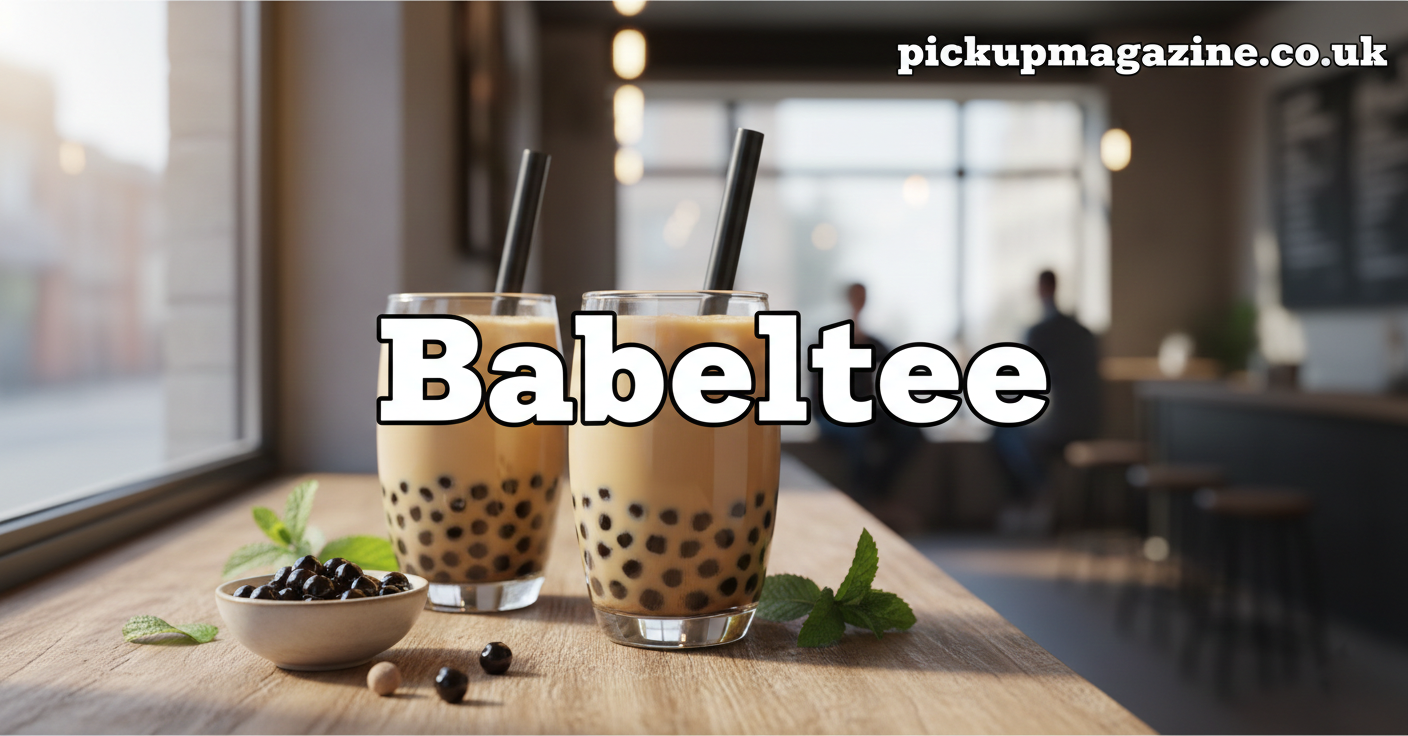
There’s something magical about a drink that feels like more than just a beverage. That’s exactly why Babeltee has been gaining attention lately—because it’s not simply tea, and it’s definitely not just another trendy café item. Babeltee is a cultural experience in a cup, mixing taste, creativity, and personal expression in a way that feels modern, exciting, and surprisingly meaningful.
In this guide, you’ll learn what Babeltee really is, where it comes from, why people love it, how it compares to other tea drinks, and how you can enjoy it in your own way. Whether you’re curious, craving something new, or considering Babeltee as a business idea, you’ll walk away with a complete understanding of why this drink is turning into a lifestyle.
Quick Babeltee Profile Table
Before we go deep, here’s a fast overview of Babeltee for clarity.
| Category | Details |
|---|---|
| Name | Babeltee |
| Type | Tea-based beverage concept/brand style |
| Common Ingredients | Tea, milk, fruit flavors, tapioca pearls, jellies |
| Best Known For | Flavor variety, customization, fun toppings |
| Popular With | Students, young professionals, tea lovers |
| Serving Style | Cold or hot, often in sealed cups |
| Key Experience | Mix-and-match flavors + chewy textures |
This table alone explains why Babeltee feels more like a “choose-your-own-adventure” drink than a standard tea.
What Is Babeltee? (And Why the Name Feels So Unique)
At its core, Babeltee is a modern tea drink concept that combines flavored tea with creative add-ons like chewy pearls, fruit jellies, foams, and creamy layers. It’s often associated with the bubble tea world, but it carries a more global and expressive identity.
The word “Babel” makes it feel symbolic—like the Tower of Babel, where languages and cultures mix. That’s part of its charm. Babeltee represents variety, fusion, and personalization. It’s tea that doesn’t stay inside one tradition.
Unlike traditional tea, where the focus is on purity and simplicity, Babeltee celebrates mixing flavors and experimenting. It’s a drink that matches modern life: fast-moving, customizable, and full of personality.
And honestly? That’s why people connect with it so quickly.
The Rise of Babeltee as a Lifestyle Drink
Drinks don’t usually become cultural icons unless they hit multiple emotional triggers. Babeltee does exactly that.
First, it’s visually appealing. Many Babeltee drinks are layered, colorful, and made for photos. Second, it’s interactive. You don’t just drink it—you chew it, shake it, stir it, and customize it. And third, it feels personal. People love ordering something that reflects their mood.
A caramel milk Babeltee with brown sugar pearls feels cozy and comforting. A mango green tea Babeltee with aloe jelly feels fresh and energetic. Same brand identity, completely different vibe.
In a world where people want experiences instead of products, Babeltee fits perfectly. It turns an ordinary tea break into something memorable.
Why Babeltee Is More Than Just Tea
It’s easy to assume Babeltee is “just another bubble tea,” but that misses what makes it special. Babeltee stands out because it merges three things people love:
1. Flavor Exploration
Instead of one flavor note, Babeltee drinks often have multiple layers—like tea + fruit + cream + topping texture. That complexity makes it exciting.
2. Texture as Entertainment
The chewy pearls, popping boba, coconut jelly, and pudding aren’t just toppings. They make the drink playful and satisfying. It becomes a snack and a drink at the same time.
3. Identity and Mood
People choose drinks based on emotions more than taste. Babeltee understands that. Its combinations feel like personality traits you can sip.
It’s like ordering coffee, but with the creativity dialed up.
Popular Babeltee Styles and Flavor Categories
Babeltee isn’t limited to one formula. It’s a broad drink category with several common styles. Understanding these makes ordering way easier.
Milk-Based Babeltee
This is the rich, creamy version. It often includes black tea, oolong, or jasmine tea mixed with milk or non-dairy creamers. It’s comforting, smooth, and dessert-like.
Many people start with milk-based Babeltee because it feels familiar, almost like iced coffee.
Fruit Tea Babeltee
Fruit-based Babeltee drinks are usually lighter and more refreshing. They use green tea or black tea combined with fruit syrups, purees, or fresh fruit chunks.
This category is perfect for summer or anyone who wants something less heavy.
Brown Sugar Pearl Babeltee
This is arguably the most famous modern style. The drink often includes milk and caramelized brown sugar syrup poured along the sides of the cup, creating a dramatic look.
It’s sweet, addictive, and feels like drinking dessert.
Cheese Foam Babeltee
Cheese foam sounds strange until you try it. It’s a creamy, slightly salty topping that balances sweet tea. The contrast is the entire point.
It’s like salted caramel but in tea form.
Babeltee Ingredients: What’s Really Inside the Cup?
A Babeltee drink is built in layers. Each ingredient plays a specific role.
Tea Base
Most Babeltee drinks use black tea, green tea, jasmine, or oolong. The tea base matters more than people think because it affects bitterness, fragrance, and aftertaste.
A strong black tea holds up better with heavy milk and sugar. Jasmine works beautifully with fruit flavors.
Sweeteners and Syrups
Sweetness is customizable in many Babeltee shops. Some people like 25% sugar for a subtle taste, while others go full sweetness for dessert-style sipping.
The sweetener might be cane sugar, honey, brown sugar syrup, or flavored syrups.
Milk and Cream Options
Babeltee can include dairy milk, condensed milk, oat milk, almond milk, or creamers. This is why it works for so many diets and preferences.
Some versions even use coconut milk for tropical richness.
Toppings
Toppings are where Babeltee becomes Babeltee.
| Topping | Texture | Best Paired With |
|---|---|---|
| Tapioca pearls | Chewy | Milk tea, brown sugar drinks |
| Popping boba | Burst juice | Fruit teas |
| Grass jelly | Soft and herbal | Classic black tea drinks |
| Coconut jelly | Light and crunchy | Mango or lychee flavors |
| Egg pudding | Creamy and thick | Milk tea or taro drinks |
Toppings aren’t random—they’re chosen to balance the flavor and mouthfeel.
Babeltee vs Bubble Tea: Are They the Same Thing?
This is one of the most common questions, and the answer depends on how you define Babeltee.
Bubble tea is the umbrella category that includes milk teas, fruit teas, and boba drinks. Babeltee often fits inside that world, but it feels like a more modern interpretation.
If bubble tea is the genre, Babeltee is a newer sub-style that leans heavily into global fusion, customization culture, and branding.
Here’s a simple comparison.
| Feature | Traditional Bubble Tea | Babeltee |
|---|---|---|
| Style | Classic and consistent | Modern and experimental |
| Flavors | Familiar tea profiles | Wider fusion combinations |
| Visual presentation | Simple | Often layered and aesthetic |
| Customization | Moderate | High |
| Target audience | Broad | Strong appeal to trend-focused consumers |
So yes, Babeltee can be bubble tea—but it often feels like bubble tea upgraded into a cultural product.
The Psychology of Why People Love Babeltee
People don’t obsess over Babeltee just because it tastes good. They love it because it scratches multiple emotional needs.
It Feels Rewarding
Buying a Babeltee drink feels like a small celebration. It’s affordable luxury. You don’t need a vacation—you just need a sweet iced tea with chewy pearls.
It’s Social
Babeltee is a “let’s hang out” drink. Friends meet at tea shops the way older generations met at diners or cafés. It’s casual, easy, and fun.
It Encourages Personal Expression
One person orders matcha with pudding. Another gets strawberry tea with popping boba. People like showing who they are through what they order.
It’s the same reason people customize sneakers or phone cases. Babeltee is a drink version of that.
How to Order Babeltee Like You Actually Know What You’re Doing
If you’ve ever stared at a menu and felt overwhelmed, you’re not alone. Babeltee menus can look like chemistry charts.
Here’s a simple ordering formula:
Step 1: Choose a base
Milk tea, fruit tea, or specialty drink.
Step 2: Choose sweetness level
Usually 0%, 25%, 50%, 75%, or 100%.
Step 3: Choose ice level
No ice, light ice, regular, extra.
Step 4: Pick toppings
Pearls, jelly, pudding, foam, or fruit bits.
A safe beginner order is:
Jasmine milk Babeltee with 50% sugar, light ice, and tapioca pearls.
It’s balanced, not too sweet, and gives you the full experience.
Babeltee for Different Personalities: Finding Your Perfect Match
Babeltee is basically a personality test in liquid form.
Here are a few fun matches that actually make sense:
- If you love comfort food, you’ll probably love brown sugar milk Babeltee.
- If you like fresh, clean flavors, lychee green tea Babeltee is your drink.
- If you’re adventurous, cheese foam oolong Babeltee will impress you.
- If you like dessert, go for taro Babeltee with pudding.
It’s not about being “picky.” It’s about matching your mood with your flavor.
Health and Nutrition: Is Babeltee Good for You?
Let’s be real: Babeltee isn’t automatically healthy, but it also isn’t automatically unhealthy. It depends on what you order.
A fruit tea with light sugar and no toppings can be fairly light. A large brown sugar milk Babeltee with extra pearls is closer to a dessert.
Here’s a general nutritional breakdown.
| Babeltee Type | Typical Calories | Sugar Level | Best For |
|---|---|---|---|
| Plain brewed tea | 0–10 | None | Health-focused drinkers |
| Fruit tea Babeltee | 120–250 | Medium | Refreshing daily drink |
| Milk tea Babeltee | 250–450 | Medium-high | Comfort craving |
| Brown sugar pearl Babeltee | 400–600+ | High | Dessert replacement |
If you want a healthier Babeltee experience, order 25–50% sugar and reduce toppings.
You still get the vibe without turning it into a sugar bomb.
Babeltee as a Business Concept: Why It’s So Marketable
Babeltee works extremely well as a business idea because it has built-in repeat demand.
People don’t just drink it once. They try it, then come back to explore flavors. That curiosity fuels repeat customers.
Also, Babeltee is highly customizable, meaning businesses can create signature drinks and limited seasonal menus without reinventing the brand.
Why It’s Great for Branding
Babeltee is naturally photogenic. That means customers promote it for free by sharing pictures online. A well-designed cup and creative menu can do more marketing than expensive ads.
Why It’s Great for Small Shops
Unlike full restaurants, a Babeltee business can operate in small spaces, with fewer staff, and still maintain strong profit margins if quality stays consistent.
The main challenge is competition—because once a trend catches on, everyone joins in.
Real-Life Babeltee Experience: A Short Anecdote
Imagine this: you’re walking through a busy mall on a hot day. You’re tired, slightly annoyed, and you just want something cold. Then you see a cup behind the counter—brown sugar syrup dripping down the sides like caramel art.
You order it without thinking.
The first sip hits. Cold milk, warm caramel notes, and then the pearls—chewy, sweet, and oddly calming. Suddenly, your mood shifts. You’re not just drinking tea. You’re having a moment.
That’s Babeltee in a nutshell. It’s not about thirst. It’s about emotional reset.
How to Make a Simple Babeltee at Home
Making Babeltee at home is easier than it looks. You won’t get the full café-level perfection without practice, but you can get close.
Here’s a simple homemade method:
- Brew strong black tea and cool it.
- Add milk (or oat milk).
- Add brown sugar syrup or honey.
- Cook tapioca pearls separately.
- Combine everything with ice.
Pro tip: Always brew tea stronger than usual. Ice will dilute it.
If you want it to taste like store-style Babeltee, focus on texture. The toppings are half the experience.
Babeltee Trends: What’s Next for This Drink Culture?
Babeltee is evolving quickly, and the next wave is already forming.
One trend is functional ingredients—things like collagen, herbal extracts, and probiotics. Another trend is premium tea sourcing, where shops highlight specific regions and tea types.
Also, people are shifting toward less sugar and more natural fruit flavors. That doesn’t mean Babeltee is becoming boring. It means it’s becoming more sophisticated.
The future of Babeltee is likely going to look like this:
less artificial sweetness, better tea quality, and more creative textures.
And honestly, that sounds like a win.
Conclusion
Babeltee isn’t just a tea drink—it’s a modern ritual that combines flavor, creativity, and culture into one satisfying cup. From milk teas to fruit blends, from chewy pearls to foamy toppings, Babeltee offers an experience that feels personal and exciting every single time.
What makes it truly special is its flexibility. You can enjoy Babeltee as a refreshing Drink, a dessert substitute, a social activity, or even a creative business concept. It adapts to moods, seasons, and personalities better than most beverages ever could.
If you haven’t tried Babeltee yet, start simple and explore slowly. The best part is that there’s no “right” choice—just the one that matches you.
Frequently Asked Questions (FAQs)
1. What exactly is Babeltee?
Babeltee is a modern tea-based drink concept that often includes milk or fruit flavors and toppings like tapioca pearls or jelly. It’s known for customization and unique texture.
2. Is Babeltee the same as bubble tea?
Babeltee is closely related to bubble tea, but it often represents a more modern, fusion-style version with creative flavors and a strong lifestyle appeal.
3. What is the best Babeltee flavor for beginners?
A great beginner choice is jasmine milk Babeltee with tapioca pearls at 50% sugar. It’s smooth, balanced, and not too intense.
4. Is Babeltee unhealthy?
It depends on what you order. A low-sugar fruit tea Babeltee can be light, while brown sugar milk versions with extra toppings can be high in calories.
5. Can I make Babeltee at home?
Yes, you can brew strong tea, add milk or fruit syrup, and cook tapioca pearls separately. Homemade Babeltee won’t be identical to cafés, but it can still taste great.
Food & Drinks
Trurimesu: Meaning, Uses, Benefits, and Why It’s Trending
Discover what Trurimesu means, where it comes from, and how it’s used in food, culture, and online trends—with examples, insights, and FAQs.

Introduction
Trurimesu is one of those fascinating terms that instantly sparks curiosity. Is it a food? A cultural reference? A product name? Or something people are using online with a hidden meaning? The truth is, Trurimesu is gaining attention because it feels familiar yet mysterious—like a word you should recognize, but can’t quite place. And that’s exactly why it matters. Words like this don’t spread randomly. They spread because they connect to identity, trends, language evolution, and sometimes even branding.
In this in-depth guide, you’ll learn what Trurimesu likely means, where it may come from, how it’s being used in modern contexts, and why it’s showing up across different communities. Whether you stumbled on it in a conversation, saw it online, or heard it referenced casually, this article will help you understand it clearly—and even use it confidently.
Quick Facts About Trurimesu
Before we go deeper, here’s a helpful snapshot table to set the stage.
| Category | Details |
|---|---|
| Term | Trurimesu |
| Likely Origin | Linguistic variation / phonetic adaptation |
| Common Associations | Japanese-style pronunciation, food culture, internet slang |
| Possible Meaning | A variation of “tiramisu” or a stylized coined word |
| Popular Usage | Online usernames, niche communities, casual conversation |
| Main Appeal | Sounds exotic, memorable, playful, brand-friendly |
This table matters because Trurimesu isn’t just one thing—it’s a word that can shift meaning depending on context.
What Does Trurimesu Mean?
At its core, Trurimesu appears to be a phonetic or stylized form of the well-known dessert name Tiramisu. If you say both words out loud, the similarity becomes obvious. Trurimesu sounds like something that could come from a language adaptation, where pronunciation naturally shifts due to accent patterns or syllable structure.
This happens often when foreign words move between cultures. Certain sounds don’t exist in every language, so they get replaced with the closest alternative. Over time, the “new” version becomes its own recognizable term.
What makes Trurimesu interesting is that it doesn’t feel like a typo. It feels intentional—like a version of tiramisu with extra personality.
In some communities, Trurimesu may also be used as a nickname, brand name, gamer tag, or aesthetic phrase. That flexibility gives it power. It’s easy to remember, fun to say, and visually distinctive.
The Linguistic Roots: Why Trurimesu Sounds Japanese
One major reason Trurimesu catches attention is because it resembles Japanese phonetic styling. In Japanese pronunciation systems, foreign words are often reshaped to fit a syllable pattern that flows smoothly.
Japanese tends to favor consonant-vowel combinations, which means many borrowed words are “stretched” or adjusted. For example, “Christmas” becomes Kurisumasu in Japanese.
So if someone took “tiramisu” and filtered it through a Japanese-style sound structure, you could easily end up with something like Trurimesu.
Even if the word isn’t officially Japanese, it feels like it could be. That impression alone can influence how people use it online, especially in anime, gaming, and aesthetic communities.
Trurimesu vs Tiramisu: Are They the Same Thing?
This is the big question people ask: is Trurimesu just tiramisu spelled differently?
In many cases, yes—Trurimesu is likely a variation of tiramisu, either through translation, stylization, or creative naming. But that doesn’t mean it’s always interchangeable.
Sometimes, words evolve beyond their original meaning. Trurimesu may start as a playful version of tiramisu, but eventually it becomes a standalone term used for identity, branding, or even humor.
Here’s a simple comparison.
| Feature | Tiramisu | Trurimesu |
|---|---|---|
| Original Meaning | Italian dessert | Likely a stylized adaptation |
| Common Context | Food menus, recipes | Online culture, branding, niche use |
| Tone | Traditional | Modern, playful, aesthetic |
| Recognition | Globally known | Emerging or community-based |
So if someone says “Trurimesu,” they might mean the dessert. Or they might mean something inspired by it, like a username, theme, or aesthetic label.
Why Trurimesu Is Showing Up Online More Often
Words don’t trend for no reason. Trurimesu has the perfect ingredients for internet popularity.
First, it’s unusual but pronounceable. That’s rare. Many “new” terms are either too generic or too complicated. Trurimesu sits in a sweet spot: strange enough to be memorable, but smooth enough to say naturally.
Second, it has an aesthetic vibe. People online love words that feel soft, cozy, or foreign-inspired. Trurimesu sounds like something you’d see on a pastel café sign, an anime-themed dessert shop, or a minimalist brand label.
Third, it feels like an inside joke. When people see unfamiliar words that sound familiar, curiosity kicks in. That curiosity drives engagement. People search it, repeat it, and adopt it.
And once a word becomes an identity marker—like a nickname or profile name—it spreads even faster.
Trurimesu as a Brand Name: Why It Works So Well
If you’re thinking like a marketer or entrepreneur, Trurimesu is honestly a strong name choice. It has several traits that make it branding gold.
It’s unique enough that it won’t blend into thousands of similar names. At the same time, it still connects to something familiar: tiramisu, sweetness, indulgence, and comfort. That emotional association is powerful.
Also, Trurimesu feels flexible. It could be:
- a dessert brand
- a café concept
- a perfume name
- a skincare line
- a digital creator name
- a fashion label
That’s a rare advantage. Most names are stuck in one niche. Trurimesu can travel.
The word also has rhythm. It sounds like something you’d say twice just because it’s satisfying. That kind of sound psychology plays a big role in why certain names stick.
Cultural Associations: Dessert, Comfort, and Lifestyle Energy
Even if Trurimesu isn’t officially a food term, the dessert connection gives it a built-in mood.
Tiramisu represents indulgence, softness, and a little luxury. It’s the kind of dessert people associate with romantic dinners, cafés, cozy nights, and special occasions. So when someone uses Trurimesu, they may be borrowing that emotional vibe.
That’s why Trurimesu often feels like a “comfort aesthetic” word. It fits in spaces like:
- cozy lifestyle content
- café culture
- anime and Japanese-inspired spaces
- food photography communities
- minimalist branding trends
In a way, Trurimesu becomes more than a word. It becomes a vibe.
The Emotional Meaning Behind Trurimesu
Some words gain popularity because they feel emotionally safe. Trurimesu is one of those.
It has no harsh sounds. No aggressive syllables. It feels soft and playful. That matters because language isn’t just functional—it’s emotional. People choose words that match their mood and identity.
Using Trurimesu as a username, for example, might signal someone who wants to appear:
- gentle
- creative
- cute
- aesthetic
- mysterious
- cozy
It’s similar to how people pick names like “Moonlatte,” “SakuraDream,” or “CinnamonCloud.” The goal isn’t literal meaning. The goal is emotional branding.
How Trurimesu Could Be Used in Food and Culinary Spaces
Even though Trurimesu may have evolved into a broader term, it still fits beautifully in the culinary world.
A café could easily use Trurimesu as a menu label for a twist on tiramisu, like:
- matcha tiramisu
- strawberry tiramisu
- mango tiramisu
- chocolate-heavy tiramisu
- vegan tiramisu
In that sense, Trurimesu could represent a “modernized” tiramisu concept—something more playful, experimental, and youth-focused.
Imagine a café menu where “tiramisu” sounds traditional, but “Trurimesu” sounds like a signature house creation. People would order it just out of curiosity.
That’s how food branding works. Names sell the experience before the taste does.
Trurimesu in Digital Culture: Usernames, Art, and Identity
Online culture loves words that don’t have strict definitions. Trurimesu is perfect for that.
A word with a fixed meaning is limiting. But a word that suggests meaning lets people project their identity onto it. That’s why it works so well as:
- a gamer tag
- an Instagram handle
- a YouTube channel name
- a fictional character name
- a digital artist signature
- a streaming alias
It has a cute softness, but it also has mystery. That combination is rare. Some names sound too childish. Others sound too serious. Trurimesu lands in the middle, which makes it adaptable.
And because it’s uncommon, it can feel exclusive—like a private club word.
Realistic Examples of How People Might Use Trurimesu
To make it more practical, here are a few natural ways Trurimesu might appear in conversation or content.
A café post might say:
“New flavor drop this week: Trurimesu with caramel espresso cream.”
A creator might say:
“Hey, I’m Trurimesu—welcome to my cozy gaming channel.”
A friend might casually message:
“Bro I need dessert. Like… Trurimesu-level dessert.”
Even without explanation, it feels like it belongs. That’s a sign the word has cultural potential.
Is Trurimesu a Trend, or Is It Here to Stay?
That depends on how it’s being adopted.
If Trurimesu stays tied only to niche communities, it might remain a small cultural reference. But if businesses, creators, or influencers begin using it more widely, it could evolve into a long-term lifestyle word.
Many modern terms start exactly like this. They begin as an accidental spelling variation or a fandom word. Then they become a brand identity. Then they become normalized.
Think of how words like “mochi,” “matcha,” and “boba” became everyday terms in the US. A decade ago, they were niche. Now they’re mainstream.
Trurimesu could follow a similar path, especially because it sounds food-related and aesthetic-friendly.
Potential Interpretations of Trurimesu (And Why They All Make Sense)
Trurimesu is a flexible term, which means multiple interpretations can exist at once.
One interpretation is the simplest: it’s just tiramisu spelled differently. That happens constantly in online spaces.
Another interpretation is that Trurimesu is a deliberate stylization, meant to sound Japanese-inspired or trendy. This is common in branding and fandom culture.
A third possibility is that it’s a made-up coined term used in specific communities, where it might represent a person, character, or inside reference.
Here’s the interesting part: all three can be true simultaneously. Language is messy like that. Words aren’t owned by one meaning anymore. The internet makes language collaborative.
Table: Where Trurimesu Fits Best as a Name or Concept
| Category | Why Trurimesu Fits | Example Use |
|---|---|---|
| Food & Dessert | Sounds sweet and familiar | “Trurimesu Latte” |
| Digital Creator Name | Unique and memorable | Twitch streamer alias |
| Lifestyle Brand | Cozy aesthetic vibe | Candle or tea brand |
| Fictional Character | Soft but mysterious | Anime-inspired OC |
| Fashion/Beauty | Modern and elegant | Lip gloss line name |
This explains why the word spreads easily—it has multiple “homes.”
The Psychology of Why Trurimesu Feels Addictive to Say
Some words are satisfying in the mouth. That’s not poetic—it’s literal.
Trurimesu has a rhythmic pattern. The syllables roll smoothly, and the ending “-mesu” feels soft and clean. It’s similar to why people enjoy saying words like “macaron,” “matcha,” or “espresso.”
It also has a slight exotic edge. Not too foreign, but just foreign enough to feel stylish.
Humans are naturally attracted to novelty. When a word feels new but still understandable, we repeat it. Repetition creates familiarity, and familiarity creates attachment.
That’s how a random word becomes a trend.
Trurimesu in Modern Lifestyle Trends: Café Culture and Aesthetic Living
Café culture isn’t just about coffee anymore. It’s about identity.
People don’t go to cafés only for caffeine. They go for ambiance, photos, and the feeling of being part of a lifestyle. That’s why names matter more than ever.
Trurimesu fits perfectly into this world. It sounds like something you’d order in a stylish café with wooden tables, jazz music, and soft lighting.
It also matches the current obsession with:
- soft minimalism
- pastel packaging
- “cozy luxury”
- Japanese-inspired desserts
- creative food mashups
So even if Trurimesu started as a playful variation, it now has the potential to represent a whole lifestyle aesthetic.
Table: Trurimesu as a Product Concept (Creative Examples)
| Product Type | Possible Product Name | What It Could Mean |
|---|---|---|
| Coffee Drink | Trurimesu Latte | Espresso + cream flavor |
| Dessert Cup | Trurimesu Jar | Modern tiramisu twist |
| Ice Cream | Trurimesu Swirl | Coffee-chocolate blend |
| Skincare | Trurimesu Glow Cream | Soft luxury branding |
| Candle | Trurimesu Espresso Candle | Warm café scent vibe |
These examples show how the word naturally carries “comfort luxury” energy.
How to Use Trurimesu Correctly Without Sounding Awkward
If you want to use Trurimesu in a caption, brand idea, or conversation, the key is tone.
It works best when you use it playfully or aesthetically, not overly serious. Think of it as a word that suggests sweetness, coziness, and modern charm.
For example, instead of saying:
“I am eating Trurimesu.”
You could say:
“This Trurimesu is dangerously good.”
Instead of:
“My brand is Trurimesu.”
You could say:
“Welcome to Trurimesu—your cozy little corner of the internet.”
The word performs best when it feels like an experience.
Common Misunderstandings About Trurimesu
One common misunderstanding is assuming Trurimesu is an official dictionary word. It may not be. But that doesn’t make it meaningless.
Another mistake is assuming it has only one definition. In modern language culture, many words function like symbols. They mean different things depending on where they appear.
Also, some people might think Trurimesu is a misspelling and dismiss it. That’s short-sighted. Misspellings often become trends, and trends often become brands.
Language evolves through mistakes all the time. That’s how slang is born.
Trurimesu as a Symbol of Modern Language Evolution
Trurimesu is a great example of how modern language is shaped today.
In the past, words were controlled by books, academics, and official institutions. Now, words are shaped by communities, creators, memes, and everyday conversation.
A word can be born in one corner of the internet and become globally recognizable within months.
Trurimesu represents that cultural shift. It’s not just a word—it’s a case study in how language is becoming more playful, more personal, and more aesthetic-driven.
Conclusion
Trurimesu is more than just a strange-looking word. It’s a modern example of how culture, language, branding, and internet identity blend together. While it likely connects to tiramisu, it has evolved into something broader—something that can represent sweetness, aesthetic lifestyle energy, and creative individuality.
What makes Trurimesu powerful is its flexibility. It can live in food culture, digital usernames, brand names, and casual slang without feeling out of place. And because it’s memorable, soft-sounding, and emotionally comforting, it’s easy to see why people are adopting it.
If you’ve been wondering what Trurimesu means, the best answer is this: it’s a word that carries vibe as much as meaning. And in today’s world, that’s exactly what makes a term stick.
Frequently Asked Questions (FAQs)
1. What is Trurimesu?
Trurimesu is a trending term that appears to be a stylized variation of “tiramisu.” It’s often used in online culture, branding, and aesthetic communities.
2. Is Trurimesu the same as tiramisu?
In many cases, yes. Trurimesu likely refers to tiramisu or a modern twist on it. However, it can also be used as a creative name unrelated to food.
3. Why is Trurimesu popular online?
Trurimesu is popular because it sounds unique, soft, and memorable. It fits well with modern internet aesthetics and works as a username or brand name.
4. Is Trurimesu a Japanese word?
Trurimesu is not necessarily an official Japanese word, but it resembles Japanese-style phonetic adaptations. That’s part of why it feels culturally stylish.
5. Can Trurimesu be used as a brand name?
Yes, Trurimesu works well as a brand name because it feels cozy, modern, and versatile. It can fit food, lifestyle, fashion, or digital content niches.
Food & Drinks
Babybelletje: Meaning, Origins, and Why It’s So Loved
Discover what Babybelletje means, its origins, and why it’s used as a cute nickname. Learn how people use it in love, family, and humor.
Introduction
Babybelletje is one of those words that instantly feels warm, playful, and oddly nostalgic—even if you’ve never heard it before. In many households and casual conversations, Babybelletje is used as a cute nickname, a term of affection, or a fun reference to something small, round, and lovable. It has a charming “mini” vibe, the kind of word you’d say with a smile without even realizing it.
In this guide, you’ll learn what Babybelletje really means, where it likely comes from, how it’s used in everyday life, and why it has become such a memorable expression. Whether you’ve seen it online, heard it in conversation, or are simply curious, this article will give you a complete and satisfying understanding of Babybelletje—without confusion or guesswork.
Quick Babybelletje Profile Table
| Detail | Information |
|---|---|
| Word Type | Nickname / affectionate term / playful slang |
| Language Roots | Dutch / Flemish influence |
| Common Usage | Term of endearment, humor, cute comparison |
| Literal Association | Often linked to Babybel cheese (round snack) |
| Emotional Tone | Warm, funny, intimate, lighthearted |
| Typical Context | Couples, family, close friends, social media |
What Does Babybelletje Mean?
The meaning of Babybelletje depends on the context, but it generally communicates one idea: something small, cute, and lovable. It’s the kind of word you’d use when you want to make someone feel special without being overly serious. Think of it like calling someone “sweetie,” “pumpkin,” or “little bean,” but with a more playful European flair.
The word sounds Dutch because it carries a common Dutch linguistic pattern: adding “-tje” or “-letje” to create a diminutive form. In Dutch and Flemish speech, diminutives are everywhere. They soften language and make it more affectionate. So Babybelletje feels like it means “little Babybel” or “tiny beloved thing.”
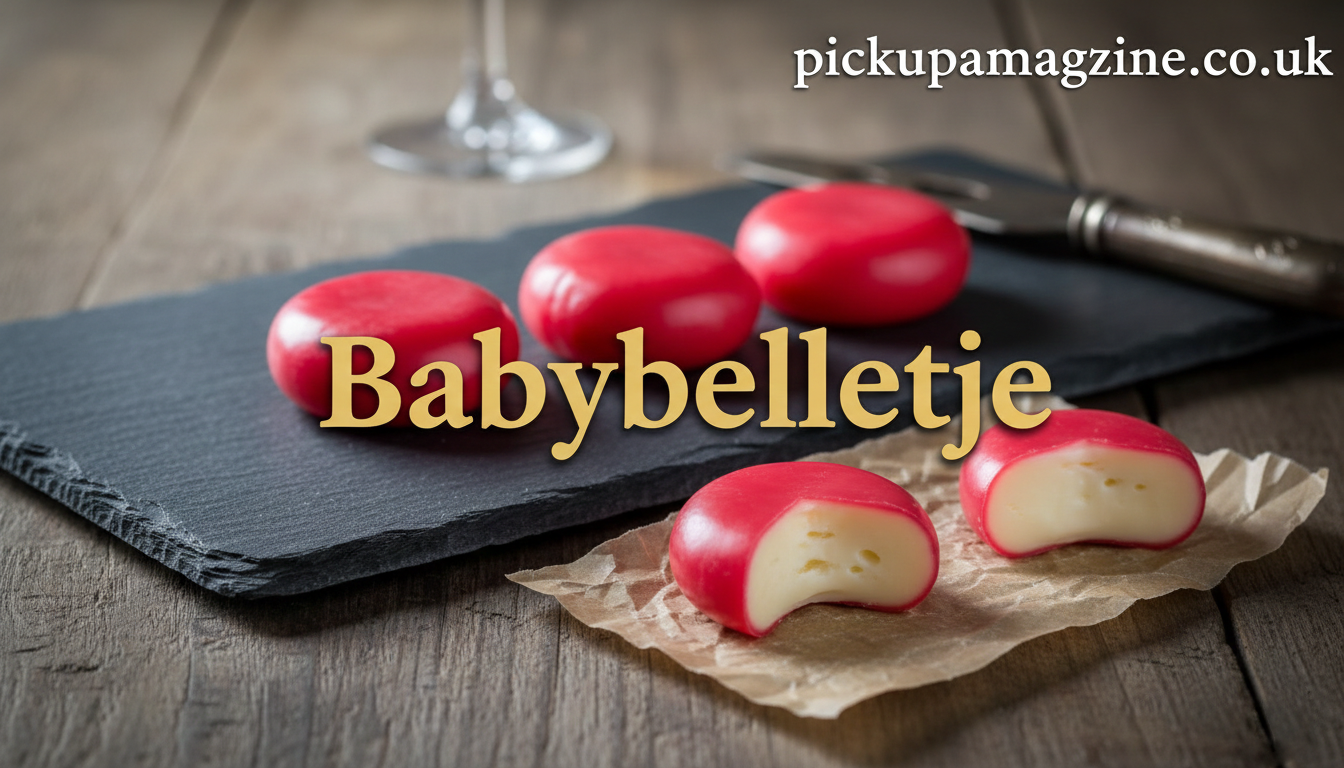
It’s also strongly associated with the popular snack cheese called Babybel, which comes wrapped in red wax and is shaped like a small wheel. That association makes the word even funnier and more vivid, because people instantly imagine something round, adorable, and bite-sized.
The Linguistic Roots: Why Babybelletje Sounds So Cute
One reason Babybelletje stands out is because it’s built like a “cute word” on purpose. Dutch is famous for its diminutives, and adding endings like -je, -tje, -pje, or -letje turns ordinary nouns into smaller, friendlier versions.
For example, Dutch speakers might say something like:
- “huis” (house) becomes “huisje” (little house)
- “kind” (child) becomes “kindje” (little child)
So Babybelletje fits perfectly into that pattern. Even if the word started as a joke, it follows the rules of a language style that’s designed for warmth and casual intimacy.
The best part is that you don’t need to be Dutch to feel the effect. Even English speakers hear it and immediately think: this is adorable.
Babybelletje and the Babybel Cheese Connection
Let’s be honest: most people first think of the cheese snack.
Babybel cheese is famous worldwide for being small, round, individually packaged, and kind of fun to eat. Peeling off the wax is basically a childhood ritual for many people. That alone gives the product a strong emotional connection—comfort food mixed with nostalgia.
So when someone calls another person Babybelletje, it often implies:
- You’re small and cute
- You’re lovable and snack-sized (in a joking way)
- You make people happy like comfort food does
It’s a silly comparison, but that’s exactly why it works. It’s affectionate without being too romantic, funny without being insulting, and memorable without trying too hard.
In a way, it’s similar to calling someone “muffin” or “dumpling.” Nobody literally thinks you’re food. It’s just the emotional energy behind it.
How Babybelletje Is Used in Real Life Conversations
Babybelletje is rarely used in formal writing. It’s a spoken-style word, something that shows up in texting, casual chat, memes, or playful teasing.
You might hear it used like:
“Come here, my little Babybelletje.”
“You’re such a Babybelletje when you’re sleepy.”
“I bought snacks—yes, including your beloved Babybelletjes.”
It can refer to a person, but it can also refer to actual Babybel cheeses in a playful way. That double meaning makes it flexible and fun.
People love words that feel like inside jokes. Babybelletje has that energy. It sounds like something invented by a couple in their kitchen at midnight, and then it somehow stuck.
Babybelletje as a Nickname: Why It Feels So Personal
Nicknames work because they compress emotion into a single word. A good nickname doesn’t just describe someone—it carries memories, tone, and intimacy.
Babybelletje is the kind of nickname that suggests closeness. It’s not something you’d call your boss. It’s something you’d call:
- a partner you adore
- a toddler who makes you laugh
- a best friend you tease lovingly
- even a pet with a round little belly
It feels playful rather than serious, which is why it can make relationships feel lighter. Some couples use romantic names that feel dramatic, but Babybelletje is the opposite. It says, I like you in a goofy, real way.
That’s often more meaningful than a grand compliment.
Emotional Meaning: What Babybelletje Communicates Without Saying It
Even if you don’t know the literal roots, the word Babybelletje communicates emotional subtext. It often implies:
1. Comfort
You make me feel safe and happy.
2. Soft affection
I’m fond of you, but I’m not trying to sound intense.
3. Humor
I’m not afraid to be silly around you.
4. Familiarity
We share a bond where weird words are allowed.
In modern relationships, that last part matters a lot. Being able to speak in silly language is a sign of trust. It means you don’t have to perform or sound impressive. You can just be yourself.
Babybelletje is a “real closeness” word.
Different Interpretations Across Cultures
If you say Babybelletje in the Netherlands or Belgium, people may immediately recognize the diminutive structure. They’ll understand that it’s meant to sound small and cute.
In the United States, however, the word may sound like:
- a brand reference
- a meme phrase
- a made-up pet name
- a quirky internet username
And honestly, all of those interpretations can be correct.
That’s what makes it interesting: Babybelletje can function as a word with cultural roots and as a modern playful invention.
Sometimes language evolves that way. A product name becomes a joke, the joke becomes a nickname, and the nickname becomes part of someone’s personal vocabulary.
Babybelletje in Social Media and Online Identity
Babybelletje also works surprisingly well as a username, display name, or online identity. That’s because it has three qualities that internet culture loves:
It’s unique, it’s memorable, and it’s emotionally warm.
People often choose names that feel like a “soft brand.” Babybelletje sounds like someone who posts cozy photos, funny captions, maybe a bit chaotic but in a lovable way.
It also feels safe. In an internet world full of aggressive and edgy names, Babybelletje feels like a warm blanket. You can imagine it on:
- TikTok profiles
- Instagram handles
- gaming usernames
- private Snapchat nicknames
- Discord server jokes
Sometimes it’s used ironically too, especially if someone is the complete opposite of cute. That contrast makes it funnier.
Babybelletje as a Symbol of “Small Joy”
One of the biggest reasons Babybelletje resonates is because it represents something bigger than itself: small happiness.
Babybel cheese is literally a small snack. You don’t eat it when you’re starving. You eat it when you want something simple, comforting, and satisfying.
That’s exactly what the word Babybelletje can symbolize in human relationships.
A Babybelletje person is someone who brings small joys. They might not be flashy, but they make life better in quiet ways. They show up. They make you laugh. They make boring days softer.
And honestly, that kind of person is priceless.
Comparison Table: Babybelletje vs Similar Nicknames
| Nickname | Vibe | Common Use | Feels Romantic? | Humor Level |
|---|---|---|---|---|
| Babybelletje | Cute + goofy | Couples, family | Medium | High |
| Sweetie | Classic | Couples | High | Low |
| Pumpkin | Warm + seasonal | Couples, kids | Medium | Medium |
| Little bean | Internet-cute | Couples, pets | Medium | High |
| Honey | Traditional | Couples | High | Low |
| Dumpling | Food-cute | Couples, kids | Medium | Medium |
Babybelletje stands out because it feels more specific and quirky. It doesn’t sound generic. It sounds like your word, even if other people use it too.
Why People Love Calling Someone Babybelletje
There’s a psychology behind affectionate weirdness.
Most people don’t fall in love with perfect, polished language. They fall in love with the weird stuff—private jokes, nicknames that don’t make sense, silly voices, and random made-up words.
Babybelletje fits into that category. It’s affectionate, but it also makes people laugh. And laughter is one of the strongest bonding tools humans have.
If someone calls you Babybelletje, they’re basically saying:
“I like you enough to be ridiculous with you.”
That’s emotional intimacy in its purest form.
A Fun Real-Life Scenario: How Babybelletje Becomes a Forever Word
Imagine this:
A couple goes grocery shopping. One person grabs a pack of Babybel cheese. The other jokes, “You’re obsessed with these, you little Babybel.”
Later that night, they’re cuddling. One says, “Come here, Babybelletje.”
They laugh. It becomes a thing. Then it becomes a habit. Months later, it’s saved in the phone as “Babybelletje ❤️.” Years later, it’s what they call each other when they’re stressed, tired, or just needing comfort.
That’s how nicknames become emotional anchors.
They start as nonsense, but they end up carrying history.
Babybelletje in Parenting and Family Language
Babybelletje also works beautifully in family life.
Parents often use diminutive words because kids respond well to warmth and playful tone. Babybelletje is easy to say, and it has a bouncy rhythm that children like.
It could be used for:
- a toddler with chubby cheeks
- a baby who loves snacks
- a kid who’s acting extra adorable
- a family pet who’s small and round
It’s not harsh, not complicated, and not overly babyish either. It feels like a word a parent could use without sounding forced.
And that matters, because kids can detect fake language instantly.
Is Babybelletje a Compliment or an Insult?
Almost always, Babybelletje is a compliment.
But like any nickname, tone changes everything.
If someone says it with affection, it’s sweet and playful. If someone says it with sarcasm, it could be mildly teasing. Even then, it’s rarely cruel because the word itself is too cute to sound truly insulting.
However, context matters. If someone dislikes being compared to food or being called “small,” then even a harmless nickname could feel annoying.
The safest approach is simple: if the person smiles when you say it, it works. If they look confused or uncomfortable, drop it.
Nicknames should feel like a hug, not a label.
Babybelletje in Modern Romance: Soft Love vs Loud Love
Modern romance is shifting.
People still enjoy big gestures, but more and more couples are realizing that love is built in small, daily moments. It’s in inside jokes. It’s in shared snacks. It’s in silly nicknames.
Babybelletje fits into a type of romance that feels realistic and emotionally safe. It’s not dramatic love. It’s cozy love.
And cozy love tends to last longer, because it’s based on everyday compatibility instead of constant excitement.
If someone calls you Babybelletje, it often means they love your presence, not just your appearance. They enjoy the version of you that exists in pajamas, with messy hair, laughing at dumb things.
That’s a deeper kind of affection.
Practical Table: Where Babybelletje Fits Best
| Situation | Does Babybelletje Fit? | Why |
|---|---|---|
| Romantic relationship | Yes | Cute, personal, playful |
| Family setting | Yes | Warm, friendly tone |
| Friends joking around | Yes | Light teasing and humor |
| Workplace environment | No | Too intimate and informal |
| Social media username | Yes | Unique and memorable |
| Talking to strangers | Usually no | Might confuse people |
This table matters because while Babybelletje is adorable, it’s not universal. It belongs in personal spaces, not professional ones.
How to Use Babybelletje Naturally Without Sounding Awkward
If you want to use Babybelletje, don’t force it like a scripted line. The best way is to let it happen casually.
Try using it in moments where you’re already being playful, like:
- when someone is being cute and sleepy
- when they’re eating snacks
- when you’re joking around during a text conversation
- when you want to cheer them up
A good rule: if you’d say “awww,” then Babybelletje might fit.
Also, don’t overuse it. The magic of nicknames is that they feel special. If you say it every five minutes, it starts to feel like noise.
Use it like seasoning, not like the whole meal.
Babybelletje and the Power of “Cute Language” in Human Connection
Cute language isn’t childish. It’s actually deeply human.
Adults use affectionate nicknames because they reduce emotional distance. They signal trust. They say, “I’m safe with you.”
Even people who act tough often have someone they call something ridiculous in private. That contrast is part of what makes relationships real.
Babybelletje belongs to a category of words that exist mainly to create closeness. It’s not meant to be analyzed like a dictionary entry. It’s meant to be felt.
And that’s why it matters.
Words like Babybelletje remind us that language isn’t just about meaning. It’s about mood. It’s about connection. It’s about the small rituals that make life softer.
Conclusion
Babybelletje is more than a cute word—it’s a warm little piece of modern affection shaped by language, humor, and everyday life. Whether it’s used as a nickname, a joke, or a playful reference to the iconic snack cheese, Babybelletje carries a clear emotional message: comfort, closeness, and lighthearted love.
Its charm comes from its diminutive sound, its cultural roots, and its ability to instantly create a smile. In relationships, family life, and even online spaces, Babybelletje works because it feels personal and real. It’s the kind of word that doesn’t try to impress—it simply makes people feel Good.
If you’ve been called Babybelletje, take it as a sweet sign that someone enjoys your presence. And if you’re thinking of using it, go for it—just keep it natural, playful, and kind. Sometimes the smallest words create the biggest connection.
Frequently Asked Questions (FAQs)
1. What does Babybelletje mean in English?
Babybelletje loosely means “little Babybel” or “tiny cute one.” It’s often used as a playful nickname or affectionate term.
2. Is Babybelletje a real Dutch word?
It’s not a standard dictionary word, but it follows Dutch diminutive patterns. That’s why it sounds authentic and natural in Dutch-style speech.
3. Is Babybelletje always related to Babybel cheese?
Not always, but the cheese is a strong influence. Many people use Babybelletje because it reminds them of the cute, round snack.
4. Can Babybelletje be used as a romantic nickname?
Yes, it’s commonly used in a romantic way. It feels light, cozy, and humorous rather than overly serious.
5. Is it weird to call someone Babybelletje?
Not if the relationship is close and playful. Like any nickname, it depends on tone and whether the other person enjoys it.
Food & Drinks
Sodziu: Meaning, Culture, and Modern Life Behind the Word
Discover what Sodziu means, its Lithuanian roots, emotional tone, and how it’s used in real conversation and modern internet culture.

Introduction
In a world where languages constantly evolve, certain words carry a special kind of charm. Sodziu is one of those words—short, expressive, and packed with cultural meaning. Whether you’ve seen it in Lithuanian conversations, heard it in music, or stumbled across it online, Sodziu feels like more than just a word. It’s a tone, a mood, and sometimes even an attitude.
This article will walk you through what Sodziu really means, where it comes from, how people use it in daily speech, and why it has gained attention beyond its original context. By the end, you’ll not only understand the word—you’ll understand the feeling behind it.
Quick Overview of Sodziu (At a Glance)
Before we dive deeper, here’s a simple informational table to ground the meaning.
| Category | Details |
|---|---|
| Word | Sodziu |
| Language Origin | Lithuanian |
| Literal Meaning | “In short,” “Basically,” “So,” (context-dependent) |
| Common Usage | Spoken conversation, informal writing, online slang |
| Emotional Tone | Casual, expressive, sometimes sarcastic or resigned |
| Similar English Phrases | “So yeah,” “Basically,” “Long story short,” “I mean” |
What Does Sodziu Mean?
At its core, Sodziu is an informal Lithuanian expression that can be translated as “in short,” “basically,” or “so”, depending on how it’s used. But translating it directly into English doesn’t fully capture its personality.
In real-life speech, Sodziu often works as a conversational shortcut. People use it when they want to summarize, shift the topic, or express a kind of “you get the point” feeling. It can sound neutral, humorous, or even emotionally heavy depending on the tone.
Imagine someone telling a long story about work stress, bad luck, missed buses, and rude customers, and then ending with:
“Sodziu… that’s my life.”
That single word makes the sentence hit harder. It adds a sense of resignation, realism, and sometimes comedy. It’s like shrugging with your voice.
The Cultural Roots of Sodziu
Language is never just language. It’s culture, history, and identity rolled into one. The popularity of Sodziu in Lithuanian speech reflects something deeper: Lithuanians often communicate with a mix of directness, subtle humor, and emotional understatement.
Instead of dramatic exaggeration, Lithuanian conversation tends to lean into dry humor and calm honesty. Sodziu fits perfectly into that style. It’s a word that lets you say a lot without saying too much.
It’s also widely used in casual settings—friends talking, family conversations, texting, memes, and social media. You won’t usually see it in formal writing, because it’s naturally conversational and slightly slang-like.
Over time, it has become a linguistic “signature” that feels uniquely Lithuanian.
How Sodziu Is Used in Everyday Speech
The beauty of Sodziu is that it’s flexible. People can use it in several ways, and the meaning shifts slightly depending on context.
Sodziu as “Basically” or “In Short”
This is the most direct meaning. It often introduces a summary.
For example:
Someone explains a complicated situation, then says:
“Sodziu, everything went wrong.”
That’s basically the speaker saying, “To sum it up, this is what happened.”
It’s like the speaker is wrapping up a story and giving you the main takeaway. This is common in conversations when people don’t want to keep repeating details.
Sodziu as a Conversation Starter
Sometimes Sodziu is used at the beginning of a sentence to set the tone, like a soft opening.
“Sodziu, I don’t even know what to do anymore.”
This version feels emotional and personal. It creates the impression that the speaker has a lot on their mind, and they’re about to unload a story.
Sodziu as a Dramatic Ending
This is where the word becomes powerful. People often use it at the end of a story to deliver the final punch.
“Sodziu… that was it.”
This version feels like someone dropping the mic. It can sound funny, sad, or even angry depending on tone.
Why Sodziu Feels So Expressive
Some words feel like they carry emotion built into them. Sodziu is one of those words because it functions almost like a sound effect in conversation.
It can signal:
- frustration
- acceptance
- sarcasm
- exhaustion
- humor
- disappointment
- realism
It’s similar to how English speakers use “anyway,” “so yeah,” or “welp.” But Sodziu feels sharper, more compact, and more final.
Think of it like the emotional period at the end of a sentence. It closes the story, but it also tells you how the speaker feels about it.
Sodziu in Digital Culture and Social Media
The internet loves short, expressive words. That’s why Sodziu has gained traction in memes and online conversations. In Lithuanian social media spaces, it’s everywhere.
People use it in captions, comments, and reaction posts, often to express frustration or humor in a relatable way.
For example:
Someone posts a picture of an empty fridge and writes:
“Sodziu…”
No explanation needed. The word alone communicates the mood: broke, hungry, disappointed, but laughing about it.
It’s also used in TikTok and short-form content, where creators want to deliver a punchline quickly. The word works perfectly because it carries meaning even without context.
The Different Emotional Tones of Sodziu
One of the most interesting things about Sodziu is how much emotion it can carry. Depending on how it’s spoken, it can feel completely different.
Here’s a useful breakdown:
| Tone of Voice | Meaning Implied | Example Feeling |
|---|---|---|
| Calm and neutral | “In short…” | storytelling, summarizing |
| Laughing | “Basically, this is ridiculous” | humor, irony |
| Slow and tired | “I’m done with this” | exhaustion, burnout |
| Sharp and fast | “So yeah, whatever” | annoyance, dismissal |
| Quiet and heavy | “That’s life” | sadness, resignation |
This is why translating Sodziu into a single English word doesn’t really work. The meaning lives in the delivery.
Sodziu vs Similar Expressions in Other Languages
Every language has its own “shortcut word,” but not all of them hit the same way. Sodziu is often compared to filler or summary expressions, but it has its own personality.
Comparison Table: Sodziu and Similar Expressions
| Language | Expression | Closest Meaning | Similarity to Sodziu |
|---|---|---|---|
| English | “Basically” | Summary/shortcut | Similar meaning, less emotional |
| English | “So yeah” | Resigned conclusion | Very similar emotional vibe |
| Russian | “Короче” (koroche) | “In short” | Very close in use and tone |
| Polish | “Krótko mówiąc” | “Briefly speaking” | More formal than Sodziu |
| Spanish | “En fin” | “Anyway / in the end” | Similar vibe, slightly softer |
The closest equivalent in spirit is probably Russian koroche, because both are used informally to summarize and add emotional tone.
Why People Outside Lithuania Are Interested in Sodziu
So why is Sodziu getting attention beyond Lithuanian culture?
The answer is simple: it feels authentic.
Modern communication is full of exaggerated emotions and loud reactions. But Sodziu represents something different—quiet realism. It’s the kind of word that fits the mood of modern life, where people are tired, busy, and often trying to laugh through stress.
It’s also the kind of word that feels “cool” because it’s not overused globally. People enjoy discovering small cultural gems like this.
In many ways, Sodziu has become a small symbol of Baltic identity online—casual, witty, and emotionally honest.
Real-Life Examples of Sodziu in Conversation
To understand a word fully, you need to see it in action. Here are a few everyday scenarios where Sodziu fits naturally.
Example 1: A Friend Complaining About Work
“My boss called me on my day off, then blamed me for not answering. Sodziu, I’m quitting soon.”
Here it signals frustration and a final conclusion.
Example 2: A Relationship Story
“We argued about nothing, then didn’t talk for two days. Sodziu… it’s complicated.”
Here it suggests emotional exhaustion and resignation.
Example 3: A Funny Situation
“I went to the store for milk and came back with chips, soda, and candy. Sodziu, I have no self-control.”
Here it’s humorous and self-aware.
Is Sodziu a Slang Word or Proper Lithuanian?
This is a good question, because people often assume informal words are “incorrect.” But Sodziu isn’t exactly wrong Lithuanian—it’s more like casual Lithuanian.
It comes from the Lithuanian word “žodžiu”, which literally relates to “word” or “in words.” Over time, people started using it conversationally as a filler and summarizing expression. In informal writing, it often becomes stylized as sodziu (without Lithuanian diacritics).
So technically, “žodžiu” is the more correct spelling, while “sodziu” is the internet-friendly form. That’s extremely common online, where people type quickly and skip special characters.
Sodziu as a Reflection of Modern Life
Words often survive because they serve a purpose. Sodziu survives because it matches the emotional rhythm of everyday life.
Life is messy, and people don’t always want to explain everything. Sometimes you just want to summarize your entire week with one word that says:
“I’ve been through it. You get it. Moving on.”
In that sense, Sodziu is more than language—it’s a coping mechanism. It’s the verbal equivalent of a deep sigh mixed with a half-smile.
It also reflects a very modern style of humor: slightly cynical, slightly tired, but still alive and laughing.
A Small Case Study: Why Sodziu Works So Well in Memes
Memes depend on quick emotional impact. A good meme makes you feel something instantly—laughter, relatability, embarrassment, or pain.
Sodziu is a perfect meme word because it compresses meaning.
A Lithuanian meme might show someone staring at their bank account with $2 left, and the caption is simply:
“Sodziu…”
That’s it. No explanation needed. The audience fills in the rest.
The word works because it doesn’t just describe the situation—it reacts to it. It becomes the speaker’s emotional response.
That’s why it spreads easily in online culture. It’s efficient. It’s expressive. And it’s funny without trying too hard.
How to Use Sodziu Correctly (Without Sounding Forced)
If you’re learning Lithuanian or just want to use the word casually, the biggest rule is simple: don’t overuse it.
People who naturally speak Lithuanian use Sodziu like a spice, not the whole meal. It’s best used when you’re summarizing or reacting emotionally.
Here are a few natural ways to use it:
- At the start of a summary: “Sodziu, it didn’t work.”
- At the end of a story: “And sodziu… that’s what happened.”
- As a standalone reaction: “Sodziu…”
If you try to insert it into every sentence, it’ll feel unnatural. But used sparingly, it sounds authentic and expressive.
Common Misunderstandings About Sodziu
Because it’s a culturally loaded word, people sometimes misunderstand it.
One common mistake is assuming Sodziu always means something negative. It often appears in complaints or sarcasm, but it can also be playful or neutral.
Another misunderstanding is thinking it’s a “bad word.” It’s not profanity. It’s informal, yes, but not offensive. It’s closer to saying “anyway” or “basically.”
Also, some people confuse it with being a meaningless filler. In reality, it often carries emotional subtext. It’s not empty—it’s packed.
Sodziu in Language Learning and Communication
If you’re studying Lithuanian, learning words like Sodziu is actually a big step toward sounding natural.
Textbooks teach grammar, vocabulary, and polite phrases. But real fluency comes from learning how people actually talk. And Lithuanians talk with expressions like this all the time.
Understanding Sodziu helps you:
- follow casual conversations faster
- understand humor and sarcasm
- recognize when someone is summarizing
- connect with Lithuanian speakers more naturally
It’s the kind of word that makes you feel like you’re inside the culture, not just studying it.
Conclusion
Sodziu is one of those rare words that feels small but carries huge meaning. It can mean “basically,” “in short,” or “so,” but it also delivers emotion—frustration, humor, resignation, or realism—all in one compact expression. Rooted in Lithuanian culture and widely used in casual speech, it has become a powerful conversational tool and an internet favorite.
More than anything, Sodziu represents a style of Communication that’s honest, efficient, and emotionally aware. It doesn’t over-explain. It doesn’t dramatize. It simply sums things up in a way that feels human.
If you remember one thing, let it be this: Sodziu isn’t just a word—it’s a vibe. And once you notice it, you’ll start hearing it everywhere.
Frequently Asked Questions (FAQs)
1. What does Sodziu mean in English?
Sodziu usually translates to “basically,” “in short,” or “so,” depending on the situation. It’s often used to summarize or express emotion.
2. Is Sodziu a Lithuanian slang word?
Yes, it’s commonly used in informal Lithuanian speech. The more correct spelling is “žodžiu,” but “sodziu” is widely used online.
3. Can Sodziu be used as a standalone reaction?
Absolutely. People often say Sodziu… by itself to express frustration, humor, or resignation without explaining further.
4. Is Sodziu considered rude or offensive?
No, it isn’t profanity or an insult. It’s informal, but generally safe to use in casual conversation.
5. Why is Sodziu popular on social media?
Because it’s short, emotional, and relatable. It works perfectly in memes and captions where a single word can communicate an entire mood.
-

 Celebrity1 month ago
Mark Redknapp: The Life, Family And Journey Behind The Famous Name
-

 Celebrity1 month ago
Ben Shephard Wife Illness: The Truth, Timeline, and What We Know Today
-

 Celebrity1 month ago
Carrie Schenken: A Private Life, Public Curiosity, and Lasting Partnership
-

 Celebrity1 month ago
Denika Kisty: Life, Legacy, and Strength Beyond Fame
-

 Celebrity1 month ago
Linford Christie Wife: Untold Facts, Personal Life & Truth Behind the Legend
-

 Celebrity1 month ago
Henry Zeffman Partner: What We Know About His Private Life and Relationships
-

 Celebrity1 month ago
Kelly Frayne: A Complete Guide to Her Life, Career, and Growing Public Interest
-

 Celebrity1 month ago
Lesa Tureaud: Identity, Legacy, and a Life of Purpose