
Fashion & Lifestyle
Marpesthtic: The Bold New Aesthetic Shaping Modern Style
Discover Marpesthtic, the rising aesthetic trend blending contrast, emotion, and layered style across fashion, design, décor, and modern identity.


Introduction
In a world where trends come and go faster than ever, Marpesthtic is emerging as something deeper than a passing vibe. It’s not just a look—it’s a mood, a creative philosophy, and a personal identity wrapped into one. People are drawn to Marpesthtic because it feels rebellious yet refined, chaotic yet intentional. It speaks to those who want to stand out without trying too hard, and those who want their style to feel like a story instead of a copy.
This article will break down what Marpesthtic really means, where it came from, why it’s spreading so fast, and how you can use it in fashion, art, lifestyle, digital design, and even mindset. If you’ve seen the term online and wondered what it actually represents, you’re about to get the full picture.
What Is Marpesthtic?
At its core, Marpesthtic is a modern aesthetic concept built on contrast. It blends beauty with imperfection, structure with messiness, and nostalgia with futuristic energy. Think of it as an aesthetic that doesn’t try to be “pretty” in the traditional sense—it tries to be memorable.
Marpesthtic isn’t limited to one style like minimalism or grunge. Instead, it borrows from multiple worlds and merges them into a new identity. It can look soft and dreamy one moment, then edgy and raw the next. That flexibility is exactly why people love it.
The best way to understand it is to imagine a collage: torn paper, glossy magazine clippings, blurry photos, handwritten notes, neon scribbles, and vintage textures—all coming together in one striking piece.
Quick Profile Table: Marpesthtic at a Glance
Before diving deeper, here’s a helpful breakdown of what defines Marpesthtic.
| Feature | Description |
|---|---|
| Core Idea | Beauty through contrast and emotional texture |
| Common Mood | Dreamy, rebellious, nostalgic, surreal |
| Key Visual Traits | Mixed textures, layered colors, imperfect balance |
| Popular Uses | Fashion, photography, home décor, branding, art |
| Best Description | Aesthetic chaos that feels intentional |
This table gives a clear snapshot, but Marpesthtic gets much more interesting once you see how it works in real life.
The Origins of Marpesthtic (And Why It Feels Familiar)
Marpesthtic feels new, but it also feels oddly familiar. That’s because it’s built from pieces of older cultural aesthetics. It borrows from internet subcultures, fashion movements, street photography, music scenes, and even emotional storytelling trends.
It’s not something that was “invented” in a lab. It grew naturally through creative communities. Artists started mixing polished visuals with gritty realism. Influencers started pairing luxury pieces with thrift-store finds. Designers began using clean fonts alongside messy handwritten textures. Eventually, this mash-up became recognizable as a style of its own.
In a way, Marpesthtic is the aesthetic version of modern life: layered, fast-moving, emotional, and slightly chaotic.
Why Marpesthtic Is Becoming So Popular
Marpesthtic is exploding in popularity because it reflects how people feel today. Many modern aesthetics focus on perfection—perfect outfits, perfect rooms, perfect skin, perfect lives. But Marpesthtic doesn’t demand perfection. It actually celebrates flaws.
It Feels Authentic in a Filtered World
Social media has made life look polished and staged. Marpesthtic pushes back against that. It embraces the “real” side of life: messy bedrooms, emotional playlists, scribbled notes, worn-out sneakers, and raw photography.
People connect with it because it feels honest. It feels like someone is showing their real personality instead of trying to fit into a mold.
It’s Emotionally Expressive
Marpesthtic isn’t just visual. It’s emotional. It often carries moods like longing, rebellion, nostalgia, mystery, and even quiet confidence. It’s the kind of style that looks like it has a backstory.
That emotional pull is powerful. It makes people feel something, which is why it sticks.
Core Elements That Define the Marpesthtic Style
Even though Marpesthtic can look different depending on who’s using it, it usually includes a few consistent elements. These are the building blocks that give it its identity.
1. Contrast Is Everything
Marpesthtic thrives on opposites. It might combine soft pastel tones with harsh black accents. Or it may mix delicate jewelry with heavy boots. The whole point is to create tension that feels artistic rather than random.
This contrast gives it energy. It makes the viewer stop and look again.
2. Layering Over Simplicity
Minimalism is about removing things. Marpesthtic is about adding meaning through layers. It’s the aesthetic version of wearing multiple rings, stacking bracelets, adding patches to jackets, or mixing patterns that shouldn’t work—but somehow do.
Layering makes it feel lived-in and personal.
3. Texture and Imperfection
One of the biggest Marpesthtic signatures is texture. Scratches, grain, torn edges, faded colors, and handmade elements are all welcome. It’s the opposite of smooth, sterile design.
Think of it like a journal page instead of a corporate presentation.
Marpesthtic in Fashion: A New Way to Dress With Personality
Fashion is one of the easiest places to spot Marpesthtic. It shows up in outfits that feel both curated and chaotic. People who dress Marpesthtic aren’t trying to look trendy—they’re trying to look like themselves.
How Marpesthtic Fashion Looks
Marpesthtic outfits often include oversized silhouettes, vintage pieces, statement accessories, layered clothing, and unexpected pairings. A soft sweater might be paired with ripped pants. A delicate dress might be styled with a heavy leather jacket.
It’s about telling a story, not following rules.
Common Marpesthtic Fashion Pieces
| Clothing/Accessory | Why It Fits the Style |
|---|---|
| Oversized hoodies | Casual comfort mixed with attitude |
| Vintage denim | Nostalgia and texture |
| Chunky boots | Bold contrast against softer pieces |
| Layered jewelry | Adds detail and individuality |
| Graphic tees | Self-expression through art and words |
This aesthetic works well because it doesn’t demand expensive brands. Thrifted items often feel more “Marpesthtic” than luxury pieces.
Marpesthtic in Photography and Visual Art
If Marpesthtic had a natural home, it would be photography. This style loves moody lighting, raw composition, and imperfect beauty.
A Marpesthtic photo might look slightly blurry, grainy, or overexposed on purpose. It might include random objects, half-visible faces, street lights, or reflections in dirty mirrors. It’s less about sharp perfection and more about emotion.
A Simple Example
Imagine a photo of someone standing in a parking lot at night. The neon sign behind them is glowing. Their face is half-shadowed. The photo is grainy. The mood feels lonely but cool.
That’s Marpesthtic.
Why It Works So Well
Because it feels like a memory. And memories are never perfectly clear—they’re emotional, fragmented, and powerful.
Marpesthtic in Home Décor and Interior Style
Marpesthtic isn’t just about what you wear or post online. It can shape how you design your space too.
A Marpesthtic room usually feels layered and personal. It doesn’t look like a showroom. It looks like someone actually lives there and has a personality worth knowing.
Marpesthtic Home Elements
It often includes mixed furniture styles, mismatched colors, warm lighting, posters, books, vintage décor, and small artistic clutter. It’s not messy in a careless way. It’s messy in a meaningful way.
A great analogy is this: minimalism feels like a blank canvas, while Marpesthtic feels like a canvas that’s already been painted on, scratched, repainted, and loved.
Marpesthtic Room Comparison Table
| Style | Main Mood | Visual Feel |
|---|---|---|
| Minimalist | Calm and clean | Empty space, neutral tones |
| Bohemian | Free and earthy | Warm, colorful, textured |
| Marpesthtic | Emotional and edgy | Layered, mixed, expressive |
This makes Marpesthtic perfect for creative people who want their home to feel like an extension of their identity.
The Marpesthtic Mindset: More Than Just a Look
One reason Marpesthtic stands out is because it feels like a mindset, not just a style. It encourages individuality and emotional honesty.
Instead of trying to appear perfect, Marpesthtic leans into the idea that flaws can be beautiful. It celebrates people who don’t fit into one category. It welcomes contradictions.
That mindset is refreshing in a world where everyone feels pressured to pick one identity: classy or edgy, cute or serious, modern or vintage. Marpesthtic says you can be all of it.
Marpesthtic in Branding and Digital Design
Marpesthtic has also started influencing digital creators, small businesses, and even personal branding. You’ll see it in logos, Instagram themes, album covers, and clothing brands.
What Marpesthtic Branding Feels Like
It often blends clean typography with rough visuals. For example, a brand might use a sleek font but pair it with handwritten notes or messy collage backgrounds. The goal is to look both professional and human.
This approach makes brands feel more relatable. It creates an emotional connection instead of a cold corporate vibe.
Marpesthtic Design Choices
| Design Element | Marpesthtic Approach |
|---|---|
| Fonts | Mix modern clean fonts with handwritten styles |
| Colors | Bold contrasts: muted tones + neon accents |
| Layout | Layered, collage-like compositions |
| Imagery | Grainy, nostalgic, moody photography |
| Mood | Artistic, expressive, slightly rebellious |
This makes Marpesthtic a powerful style for creators who want their work to feel personal and recognizable.
How to Build Your Own Marpesthtic Style (Without Copying Others)
A big mistake people make is trying to “dress Marpesthtic” or “decorate Marpesthtic” like it’s a uniform. That defeats the whole purpose.
Marpesthtic is supposed to reflect you.
Start With One Core Mood
Do you want your version of Marpesthtic to feel dreamy? Aggressive? Romantic? Lonely? Futuristic? Start there. The mood is the foundation, and everything else builds from it.
Mix Two Opposite Influences
A great trick is combining two styles that normally don’t go together. For example:
- Vintage + futuristic
- Soft + edgy
- Luxury + streetwear
- Clean design + messy textures
That contrast is where the magic happens.
Add Personal Symbols
Marpesthtic becomes powerful when it includes your personal story. That could be a necklace from childhood, old photographs, a favorite band tee, or even a color palette that reminds you of a certain time in your life.
That’s what makes it real.
A Short Case Study: How Marpesthtic Shows Up in Real Life
Let’s imagine two creators.
One is a photographer who loves street lights, rain, reflections, and night shots. Their work feels lonely but cinematic.
The other is a fashion creator who wears oversized hoodies, layered rings, vintage jeans, and colorful sneakers. Their outfits feel relaxed but rebellious.
Both creators are doing Marpesthtic—even though their work looks different. Why? Because both use contrast, emotion, and texture to express identity.
That’s the secret: Marpesthtic isn’t one fixed look. It’s a creative approach.
Common Misunderstandings About Marpesthtic
Because Marpesthtic is flexible, people sometimes misunderstand it. Let’s clear up a few myths.
It’s Not Just “Messy Aesthetic”
Yes, it can look chaotic. But Marpesthtic chaos is intentional. There’s always a mood, theme, or emotional direction behind it.
It’s Not Only for Teen Trends
While younger communities use the term a lot, Marpesthtic isn’t age-limited. It works for anyone who enjoys expressive design, fashion, or storytelling through visuals.
It’s Not a Copy of Grunge or Indie
Marpesthtic borrows from those styles, but it goes beyond them. It’s more layered, more modern, and often more emotionally driven.
Where Marpesthtic Might Go Next
Marpesthtic is still evolving. That’s what makes it exciting. As more creators experiment with it, it’s likely to expand into music visuals, film aesthetics, product packaging, and even architecture-inspired design.
It may also become more personalized. Instead of one big “Marpesthtic look,” we may see micro-variations—like soft Marpesthtic, cyber Marpesthtic, romantic Marpesthtic, or minimalist Marpesthtic.
And honestly, that’s the best possible future for it. The aesthetic thrives when people make it their own.
Conclusion
Marpesthtic is more than a trendy word—it’s a modern creative identity built on contrast, texture, and emotional expression. It blends chaos with intention, nostalgia with Futuristic energy, and imperfection with beauty. Whether it shows up in fashion, photography, home décor, or branding, it always carries the same message: your individuality is the point.
If you want to embrace Marpesthtic, don’t focus on copying someone else’s vibe. Focus on building your own. Mix opposites, layer meaning, and let your style reflect your real personality. That’s where the aesthetic becomes powerful.
Marpesthtic isn’t about looking perfect. It’s about looking unforgettable.
Frequently Asked Questions (FAQs)
1. What does Marpesthtic mean?
Marpesthtic is an aesthetic style based on contrast, emotional expression, and layered visual design. It often blends edgy and soft elements to create a unique identity.
2. Is Marpesthtic a fashion trend or a lifestyle?
It can be both. Marpesthtic influences fashion, design, photography, and even personal mindset. Many people use it as a full creative lifestyle.
3. What colors are common in Marpesthtic?
Marpesthtic often uses mixed palettes like muted neutrals with bold accents. You’ll commonly see black, grey, beige, neon tones, and washed-out vintage colors.
4. How can I make my room look Marpesthtic?
Use layered décor, moody lighting, posters, textured fabrics, and a mix of modern and vintage items. The goal is a space that feels personal and expressive.
5. Why is Marpesthtic so popular online?
Because it feels authentic and emotional. It allows people to express individuality without fitting into a strict category, which resonates strongly in modern digital culture.
Fashion & Lifestyle
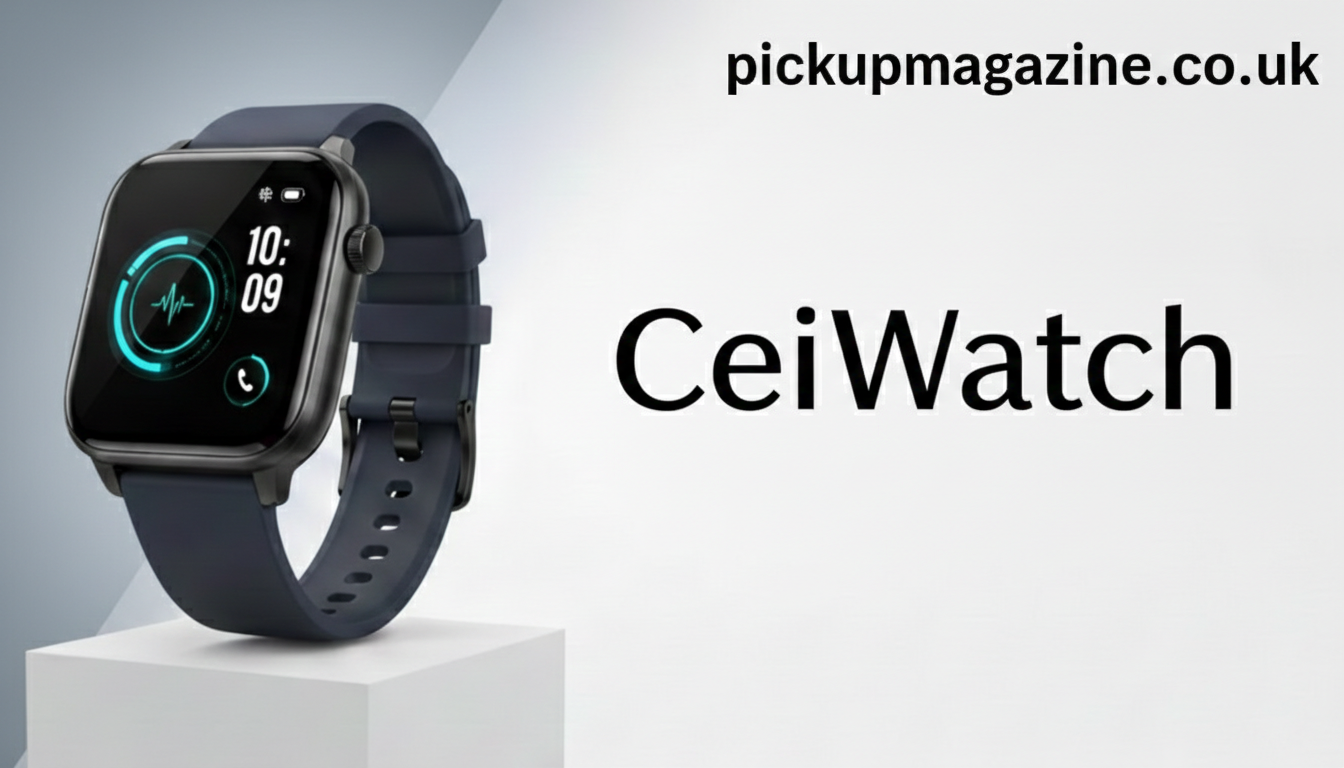
Ceiwatch: A Deep Dive Into the Platform Changing Smart Monitoring
Discover Ceiwatch, a powerful monitoring platform for real-time tracking, alerts, dashboards, and system visibility across personal and business use cases.
Introduction
If you’ve been hearing the name Ceiwatch pop up lately, you’re not alone. More people are searching for smarter ways to monitor devices, systems, and real-time activity without feeling overwhelmed by complicated dashboards or constant manual checking. That’s where Ceiwatch comes in. It’s not just another “watch tool” or tracking platform—it’s designed to help individuals and organizations stay aware, stay secure, and stay in control.
In this guide, you’ll learn what Ceiwatch is, what it does, who it’s for, and why it matters in a world where digital monitoring has become part of everyday life. We’ll explore real-world use cases, practical benefits, possible limitations, and how it compares to other solutions. By the end, you’ll have a clear understanding of whether Ceiwatch is worth your attention—and how to get the most out of it.
What Is Ceiwatch? (A Clear Explanation)
At its core, Ceiwatch is a monitoring and visibility platform built to track activity, status, and performance across systems, devices, or environments. Depending on how it’s implemented, it can serve as a real-time observer that alerts users when something changes, breaks, slows down, or behaves unusually.
Think of it like a digital “control tower.” Instead of manually checking ten different tools, reports, or dashboards, Ceiwatch aims to bring key signals into one place. That means fewer blind spots and faster decision-making.
The platform is especially useful in environments where speed matters. Whether it’s a business tracking uptime, a security team monitoring unusual activity, or a technical user keeping an eye on a fleet of devices, Ceiwatch fits into the modern demand for awareness without overload.
The real strength of Ceiwatch is that it focuses on clarity. It’s designed to reduce noise and highlight what actually matters.
Ceiwatch Overview Table (Quick Platform Snapshot)
Before diving deeper, here’s a helpful breakdown of Ceiwatch in a quick-reference format.
| Category | Details |
|---|---|
| Platform Type | Monitoring and activity tracking tool |
| Primary Purpose | Real-time visibility and alerts |
| Best For | Businesses, IT teams, security teams, system owners |
| Key Strength | Centralized monitoring and intelligent reporting |
| Common Output | Dashboards, alerts, logs, status updates |
| Typical Use Cases | Performance tracking, anomaly detection, operational monitoring |
This overview helps clarify why Ceiwatch is often described as a “watchdog system”—it stays alert even when you’re not.
Why Ceiwatch Matters in Today’s Digital World
We live in an age where everything is connected. Your systems talk to each other. Your apps rely on third-party services. Devices communicate in real time. And if even one part of the chain fails, it can create a domino effect.
This is exactly why Ceiwatch has become relevant. It’s built for environments where downtime, errors, or unusual behavior can’t be ignored.
In the past, monitoring was optional. Today, it’s survival.
Imagine running an online business and your checkout page crashes at midnight. You don’t notice until morning. That’s not just a technical issue—it’s lost revenue, damaged trust, and frustrated customers. Ceiwatch helps prevent that scenario by acting like a guard on duty 24/7.
Even outside business, the same concept applies. People want visibility. They want to know what’s happening in their digital environment. Ceiwatch responds to that demand by turning “guessing” into “knowing.”
Key Features That Make Ceiwatch Stand Out
Ceiwatch isn’t just about showing numbers on a screen. It’s built around practical features that make monitoring easier, faster, and more useful.
Real-Time Activity Tracking
One of the strongest advantages of Ceiwatch is its real-time monitoring ability. It doesn’t wait until the end of the day to generate a report. Instead, it continuously tracks system behavior and updates the user when something shifts.
This is important because many failures happen quickly. A server spike, a sudden traffic surge, or a suspicious login attempt can happen in seconds. Ceiwatch aims to catch that early.
Real-time monitoring is like driving with headlights instead of guessing in the dark. It gives you visibility before the problem becomes a disaster.
Smart Alerts That Reduce Noise
Most monitoring tools fail because they overwhelm people. Too many alerts create “alarm fatigue,” where users stop taking notifications seriously. Ceiwatch tries to solve that by focusing on meaningful alerts instead of constant spam.
Instead of telling you every tiny change, Ceiwatch can be configured to flag only the events that truly matter. That means you’re not wasting time chasing harmless fluctuations.
A good monitoring system doesn’t just report problems—it filters reality into something actionable.
Dashboard and Visualization Tools
Another strength of Ceiwatch is how it presents information. A cluttered interface can make even simple monitoring feel exhausting. Ceiwatch typically emphasizes clean dashboards that let users quickly understand system health.
Dashboards are useful because they create an at-a-glance view. You don’t need to dig through logs all day. You can see trends, spikes, or unusual patterns in minutes.
It’s the difference between reading raw weather data versus looking at a forecast map.
Logging and Historical Tracking
Monitoring isn’t only about the present. It’s also about understanding patterns over time. Ceiwatch supports historical tracking so users can review what happened earlier, compare performance, and detect repeating issues.
For example, if your system slows down every Friday night, Ceiwatch helps you spot that pattern. Without logs and history, you might never realize it’s a consistent trend.
This feature becomes incredibly valuable for troubleshooting and long-term planning.
Common Ceiwatch Use Cases (Across Multiple Industries)
One reason Ceiwatch has broad appeal is that monitoring is needed everywhere. The platform can fit into many different categories depending on the environment.
Business Operations Monitoring
Businesses depend on systems working smoothly. Ceiwatch can help track uptime, service performance, transaction flow, and operational continuity.
For example, a logistics company might use Ceiwatch to monitor delivery tracking services. If a tracking API slows down, the company can respond quickly instead of waiting for customer complaints.
This turns monitoring into a proactive advantage rather than a reactive mess.
IT Infrastructure and Server Monitoring
IT teams often juggle dozens of systems at once. Ceiwatch can help them track CPU usage, memory load, network behavior, and unexpected outages.
If you’ve ever worked in IT, you know how stressful it is when something breaks and nobody knows why. Ceiwatch helps narrow down the cause by showing the timeline of events.
Instead of “something went wrong,” you get “here’s what changed and when.”
Cybersecurity Awareness and Threat Signals
Security teams rely heavily on detection. Ceiwatch can act as a visibility layer that helps highlight suspicious behavior, access attempts, and unusual activity patterns.
Even if Ceiwatch isn’t a full replacement for advanced security software, it can still contribute by offering alerts and behavioral insight.
It’s like having cameras installed—not every camera prevents crime, but it makes it harder for threats to go unnoticed.
Personal and Small-Scale Monitoring
Ceiwatch isn’t only for big organizations. Smaller teams and even individuals can use it to track devices, services, or applications.
For example, a freelancer running an online portfolio site may want to know immediately if their hosting goes down. Ceiwatch could act as their “digital assistant” that watches while they sleep.
This makes monitoring accessible, not intimidating.
Ceiwatch vs Other Monitoring Tools (Comparison Table)
There are many monitoring platforms out there, so it’s fair to ask: what makes Ceiwatch different?
Here’s a simple comparison table to clarify.
| Feature | Ceiwatch | Traditional Monitoring Tools |
|---|---|---|
| Real-Time Alerts | Strong focus | Often available but noisy |
| Ease of Use | User-friendly design | Can be complex |
| Noise Filtering | Smarter alert control | Alerts can overwhelm users |
| Reporting | Clear dashboards + history | Often heavy technical reporting |
| Flexibility | Adaptable across use cases | Often built for one niche |
| Learning Curve | Moderate | Often steep |
Ceiwatch seems to aim for balance. It tries to be powerful without becoming confusing, which is exactly what many modern users want.
How Ceiwatch Works (Simplified Breakdown)
To understand Ceiwatch, it helps to picture how monitoring platforms typically function.
Ceiwatch generally works by collecting data from systems or devices, analyzing it, and presenting it in a meaningful way. The process usually involves:
- Data collection (signals, logs, performance stats)
- Analysis (detecting unusual behavior or thresholds)
- Visualization (dashboards, charts, summaries)
- Alerting (notifications when action is needed)
The magic isn’t in collecting data—many tools can do that. The real value is in how Ceiwatch organizes information so humans can act on it quickly.
Monitoring is only useful if it leads to decisions. Otherwise, it’s just noise.
Benefits of Using Ceiwatch (Why People Choose It)
Ceiwatch isn’t popular by accident. It offers several practical advantages that make it appealing in both personal and professional settings.
Faster Problem Detection
The sooner you detect an issue, the easier it is to fix. Ceiwatch helps shorten the time between failure and response.
That can mean the difference between a five-minute outage and a five-hour crisis. In industries where downtime costs thousands of dollars per hour, speed isn’t a luxury—it’s survival.
Better Decision-Making Through Visibility
People often make poor decisions because they don’t have clear information. Ceiwatch helps reduce uncertainty by showing what’s happening in real time.
Instead of guessing whether performance is improving or declining, you can see it directly. That makes planning easier and troubleshooting less stressful.
Reduced Human Workload
One underrated benefit of Ceiwatch is mental relief. Monitoring manually is exhausting. You can’t constantly check systems without burning out.
Ceiwatch automates the watching process so humans can focus on solving problems rather than hunting for them.
It’s like having a smoke detector. You don’t stare at your stove all day—you trust the alarm to warn you if something goes wrong.
Improved Reliability and Trust
When your systems stay stable, people trust you more. Customers trust businesses that don’t crash. Teams trust tools that don’t break. Clients trust services that stay online.
Ceiwatch contributes to reliability by making issues visible before they spiral into full failures.
Challenges and Limitations of Ceiwatch (Honest Perspective)
No tool is perfect, and Ceiwatch is no exception. If you’re considering it, you should understand potential downsides.
Setup and Configuration Can Still Take Time
Even user-friendly monitoring tools require configuration. You still need to define what you want to track, what counts as abnormal behavior, and how alerts should be delivered.
If you rush setup, you may end up with too many alerts or missed problems. The platform is only as good as the rules you define.
Data Overload Is Always a Risk
Even with smart filtering, monitoring platforms can still overwhelm users if too many systems are being tracked.
If Ceiwatch is connected to dozens of services, it may require careful tuning to ensure alerts remain meaningful.
Dependence on Accurate Thresholds
Ceiwatch relies on thresholds and logic. If your system’s “normal” behavior changes, your alerts may become less accurate until settings are adjusted.
This is common in all monitoring tools, but it’s worth noting because people often assume monitoring is “set it and forget it.” It’s not.
Real-Life Example: How Ceiwatch Could Prevent a Major Failure
Let’s walk through a realistic scenario.
A mid-sized eCommerce company runs ads that drive traffic to their website. One weekend, a third-party payment service begins slowing down. Customers can still browse products, but checkout is delayed.
Without monitoring, the company doesn’t notice for hours. Complaints start rolling in. Sales drop sharply.
Now imagine Ceiwatch is active.
It detects a checkout latency spike within minutes. It sends an alert to the operations team. The team temporarily switches to a backup payment provider, preventing major revenue loss.
That’s not futuristic. That’s exactly the kind of situation monitoring platforms are built for.
Ceiwatch doesn’t just show data—it can protect momentum.
Ceiwatch Feature Breakdown Table (Practical Evaluation)
Here’s a closer look at how Ceiwatch features translate into real benefits.
| Ceiwatch Feature | What It Does | Why It Matters |
|---|---|---|
| Live Monitoring | Tracks system activity in real time | Helps catch issues early |
| Alerts & Notifications | Sends warnings when thresholds break | Prevents unnoticed failures |
| Reporting | Summarizes patterns and trends | Improves planning |
| Dashboards | Visualizes system health | Makes monitoring easy |
| Historical Logs | Stores past activity records | Helps troubleshooting |
This table highlights why Ceiwatch is valuable even for teams that already use other tools. Visibility plus clarity is a strong combination.
Who Should Use Ceiwatch?
Ceiwatch isn’t just built for one audience. It can be useful for a wide range of users.
Small Businesses and Startups
Smaller companies often can’t afford large IT departments. Ceiwatch can serve as an extra layer of awareness, helping them catch problems early without hiring additional staff.
For startups, uptime is reputation. One major outage can cost customers permanently.
IT Professionals and System Administrators
For IT teams, Ceiwatch can act as a centralized monitoring hub. Instead of switching between multiple tools, they can use Ceiwatch as a primary visibility platform.
This makes troubleshooting faster and reduces operational stress.
Security Teams
Security teams can use Ceiwatch to track activity anomalies, detect suspicious patterns, and support investigations.
Even if Ceiwatch isn’t a full security suite, it can still provide meaningful signals that reduce blind spots.
Independent Developers and Freelancers
Developers running apps, SaaS products, or websites can benefit from Ceiwatch because it gives them confidence. It watches their services while they focus on building.
It’s like having an assistant that never sleeps.
How to Get the Most Out of Ceiwatch (Best Practices)
Using Ceiwatch effectively requires strategy. The best results come from thoughtful setup, not default settings.
Start by monitoring the essentials. Track uptime, performance, and system behavior before adding complex metrics. Once the basics are stable, expand gradually.
You should also customize alert thresholds based on reality. If your system naturally spikes during peak hours, your alert system should reflect that. Otherwise, Ceiwatch will cry wolf.
Finally, review your reports regularly. Ceiwatch can highlight patterns you might miss, but only if you actually check the trends. Treat monitoring like a habit, not a one-time setup.
The Future Potential of Ceiwatch
Monitoring tools are evolving quickly. Users are demanding smarter platforms that don’t just report problems, but interpret them.
Ceiwatch appears positioned to fit into this future because it emphasizes clarity and actionable insight rather than raw data dumping.
As automation becomes more common, tools like Ceiwatch may expand into predictive monitoring—spotting risk before it becomes an outage. That’s where monitoring is heading, and it’s where the real value lies.
Instead of reacting to fires, systems will warn you when smoke is forming.
Conclusion
Ceiwatch is more than just a monitoring platform—it’s a modern solution built for a world where digital systems are constantly running, constantly changing, and constantly exposed to risk. Whether you’re managing servers, tracking operational stability, watching performance trends, or simply trying to avoid downtime surprises, Ceiwatch provides visibility that can make your life easier.
Its biggest strength is its ability to reduce uncertainty. It helps you catch problems early, respond faster, and understand patterns that would otherwise go unnoticed. Like a reliable guard standing Watch, Ceiwatch keeps your systems under control while you focus on what matters most.
If you want a smarter way to monitor activity without drowning in noise, Ceiwatch is absolutely worth exploring. Start simple, tune your alerts carefully, and let the platform do what it was designed to do—keep you informed, prepared, and confident.
Frequently Asked Questions (FAQs)
1. What is Ceiwatch mainly used for?
Ceiwatch is mainly used for monitoring systems, tracking activity, and sending alerts when performance changes or unusual behavior occurs. It helps users stay aware in real time.
2. Is Ceiwatch only for businesses?
No, Ceiwatch can be useful for businesses, IT teams, freelancers, and even individuals. Anyone who needs visibility into systems or devices can benefit from it.
3. Does Ceiwatch provide real-time alerts?
Yes, real-time alerts are one of the key features of Ceiwatch. It notifies users quickly when thresholds are crossed or unusual activity is detected.
4. Can Ceiwatch help with cybersecurity monitoring?
Ceiwatch can support cybersecurity efforts by tracking suspicious patterns and unusual activity. While it may not replace full security tools, it can add valuable visibility.
5. Is Ceiwatch difficult to set up?
Ceiwatch is designed to be user-friendly, but setup depends on what you want to monitor. Basic setup is usually straightforward, while advanced configurations may take more time.
Fashion & Lifestyle
Tumbons: The Ultimate Guide to Versatile, Social Outdoor Seating
Discover what Tumbons are, how they’re used, and why they’re redefining outdoor seating with comfort, portability, and social-friendly design.

Introduction
Outdoor living has changed a lot over the years. People no longer want stiff chairs or bulky furniture that’s hard to move and uncomfortable to use. They want freedom, flexibility, and comfort—especially when spending time outdoors with friends or family. That’s where Tumbons come in. Tumbons represent a modern approach to seating that blends comfort, portability, and social connection into one simple idea. Whether you’re relaxing on the beach, hosting friends in your backyard, or heading out for a camping trip, Tumbons offer a seating experience that feels casual, inviting, and surprisingly practical.
In this in-depth guide, you’ll learn what Tumbons are, how they’re used, why they’ve become so popular, and how they fit into different lifestyles and environments. By the end, you’ll have a clear understanding of why Tumbons are more than just seats—they’re a way to sit, relax, and connect differently.
What Are Tumbons?
At their core, Tumbons are portable, inflatable lounge-style seats designed for relaxed, social settings. They’re usually low to the ground, soft yet supportive, and shaped to encourage people to sit back, stretch out, or gather in a circle. Unlike traditional chairs, Tumbons don’t force a rigid posture. Instead, they adapt to the body and the moment.
Tumbons are commonly used outdoors, but their versatility allows them to work in many settings. You’ll often see them at beaches, patios, campsites, festivals, or casual gatherings. Their design encourages conversation, shared experiences, and a laid-back atmosphere that feels natural rather than formal.
What makes Tumbons stand out is how they combine comfort, mobility, and group-friendly design into a single seating solution.
A Quick Overview of Tumbons
| Feature | Description |
|---|---|
| Seating style | Low-profile, lounge-based |
| Material | Durable inflatable fabric or PVC blends |
| Typical use | Outdoor leisure and social gatherings |
| Portability | Lightweight and easy to transport |
| Setup | Quick inflation and deflation |
| Social focus | Designed for group interaction |
This simple structure is what makes Tumbons adaptable across so many environments and uses.
The Design Philosophy Behind Tumbons
Comfort Without Complexity
Traditional outdoor furniture often sacrifices comfort for durability or style. Tumbons take a different approach. Their inflatable structure allows them to mold slightly to the body, offering support where it’s needed without pressure points. You can sit upright, recline, or even lie back without constantly adjusting your position.
The absence of sharp edges or rigid frames makes Tumbons especially comfortable for long periods. Whether you’re listening to music, watching the sunset, or talking with friends, the seating fades into the background—which is exactly what good design should do.
Built for Social Spaces
One of the most overlooked aspects of seating is how it affects interaction. Chairs arranged in rows or straight lines can feel isolating. Tumbons, on the other hand, are often placed in circles or clusters. This layout naturally encourages eye contact, conversation, and shared attention.
In social settings, Tumbons remove the formality of “assigned seats.” People move, shift, and settle naturally, creating a relaxed group dynamic that feels inclusive and spontaneous.
Where Tumbons Fit Best
Beach Days and Waterfront Relaxation
The beach is one of the most natural environments for Tumbons. Sand makes traditional chairs unstable, but Tumbons sit securely on uneven surfaces. Their low profile keeps users close to the ground, making it easier to relax while still enjoying the view and the breeze.
Because they’re inflatable, Tumbons are easy to carry to and from the shore. Many people prefer them because they don’t dig into the sand or require constant repositioning.
Camping and Outdoor Adventures
Camping furniture often has to balance weight and comfort. Tumbons shine here. They’re lightweight when deflated and take up minimal space in a vehicle or backpack. Once inflated, they offer a comfortable place to rest after a long hike or a full day outdoors.
Around a campfire, Tumbons create a cozy, communal seating area that feels natural and grounded. They also work well on grass, dirt, or rocky terrain.
Patios, Backyards, and Casual Gatherings
At home, Tumbons bring a relaxed, modern feel to outdoor spaces. They’re perfect for casual get-togethers, movie nights, or afternoons spent reading and lounging. Because they’re easy to move, you can reconfigure your space in minutes depending on the occasion.
Many people enjoy using Tumbons as seasonal seating—bringing them out during warmer months and storing them away when not needed.
Materials and Durability
Tumbons are typically made from reinforced inflatable fabrics designed to handle outdoor use. These materials are resistant to moisture, sunlight, and minor abrasions. While they’re soft to the touch, they’re built to withstand regular use on sand, grass, and other surfaces.
Quality Tumbons are designed with multiple air chambers or reinforced seams. This adds stability and reduces the risk of sudden deflation. With proper care, they can last for years without losing comfort or shape.
Comparing Tumbons to Traditional Seating
| Aspect | Tumbons | Traditional Outdoor Chairs |
|---|---|---|
| Comfort | Adaptive and relaxed | Fixed and structured |
| Portability | Very high | Moderate to low |
| Storage | Compact when deflated | Bulky |
| Social layout | Flexible and circular | Linear or rigid |
| Setup time | Minimal | Minimal to moderate |
This comparison highlights why Tumbons appeal to people who value flexibility and ease over formality.
Why Tumbons Appeal Across Lifestyles
For Families
Families appreciate Tumbons because they’re safe, soft, and adaptable. Kids can climb on and off without risk of sharp corners. Parents enjoy the ability to rearrange seating quickly as needs change throughout the day.
For Young Adults and Social Groups
Tumbons are especially popular among younger crowds who value experiences over possessions. They’re ideal for music, beach hangouts, and casual social events. The seating style matches a lifestyle that prioritizes comfort and connection.
For Minimalists
People who prefer minimal, multi-purpose items often gravitate toward Tumbons. One set can replace several bulky chairs, and when not in use, it disappears neatly into storage.
Caring for and Maintaining Tumbons
Keeping Tumbons in good condition doesn’t require much effort. After use, they should be wiped down to remove sand, salt, or dirt. Allowing them to dry fully before deflating helps prevent moisture buildup.
Storing Tumbons in a cool, dry place extends their lifespan. Avoid overinflating, as this can stress seams and reduce durability over time.
The Cultural Shift Toward Relaxed Seating
Tumbons are part of a broader movement toward more relaxed, human-centered design. People are rethinking how they gather, sit, and share space. Formal furniture is giving way to flexible solutions that prioritize comfort and interaction.
This shift reflects how people want to live today—less rigid, more adaptable, and more connected. Tumbons fit naturally into this mindset, offering a seating option that feels intuitive rather than imposed.
Conclusion
Tumbons represent a simple but powerful idea: seating should adapt to people, not the other way around. With their portable design, comfortable structure, and social-friendly layout, they offer a refreshing alternative to traditional outdoor Furniture. Whether used at the beach, on a campsite, or in a backyard, Tumbons create spaces where people can relax, connect, and enjoy the moment.
Their growing popularity isn’t just about convenience. It’s about a changing lifestyle—one that values flexibility, shared experiences, and comfort without complication. If you’re looking for seating that moves with you and fits naturally into your life, Tumbons are worth serious consideration.
Frequently Asked Questions (FAQs)
What makes Tumbons different from regular inflatable chairs?
Tumbons are designed for social lounging rather than upright sitting. Their low, flexible shape encourages relaxation and group interaction.
Can Tumbons be used indoors as well?
Yes, they can be used indoors, especially in casual spaces. However, they’re primarily designed for outdoor environments.
Are Tumbons suitable for long sitting sessions?
They are. Their adaptive structure reduces pressure points and supports relaxed posture over extended periods.
Do Tumbons work on uneven ground?
Yes, their inflatable design allows them to sit comfortably on sand, grass, and uneven surfaces.
How many times should Tumbons be inflated for safe use?
They should be inflated just enough to hold shape while remaining flexible. Overinflation is not recommended.
Fashion & Lifestyle
Wapbald Explained: Meaning, Uses, Impact, and Real-World Context
Wapbald explained in depth—its meaning, uses, flexibility, and why this unique term attracts attention across digital and creative spaces.

Introduction
The word Wapbald may sound unfamiliar at first, yet it is one of those terms that sparks curiosity the moment you encounter it. People come across Wapbald in different contexts—sometimes as a name, sometimes as a digital reference, and sometimes as a concept that feels deliberately unique. What makes Wapbald interesting is not just what it represents, but how it adapts across different uses and interpretations.
In this in-depth guide, you’ll explore what Wapbald means, where it is commonly used, why people search for it, and how it fits into broader cultural, digital, and practical contexts. By the end, you’ll have a clear understanding of Wapbald and why it continues to attract attention across multiple categories and user intents.
What Is Wapbald?
Wapbald is best described as a distinctive term that functions more like an identity than a single, fixed definition. Unlike common dictionary words, Wapbald gains meaning from how and where it is used. In many cases, it appears as a name associated with digital platforms, creative projects, or branded concepts.
This flexibility is part of its strength. Wapbald can represent a platform, a project title, or even a symbolic label for something designed to stand out. Because it is not overloaded with existing meanings, it offers a blank canvas for interpretation and application.
Understanding Wapbald requires looking at context rather than searching for a one-line definition.
Quick Overview of Wapbald
| Aspect | Description |
|---|---|
| Nature | Unique term or name |
| Common Use | Digital, creative, or branded contexts |
| Fixed Definition | No single universal meaning |
| Strength | Memorability and flexibility |
| User Interest | Informational, navigational, and exploratory |
This overview helps explain why Wapbald feels both intriguing and open-ended.
The Origin and Appeal of the Name Wapbald
Names like Wapbald often emerge intentionally. They are crafted to be distinctive, easy to remember, and free from heavy linguistic baggage. This allows them to grow organically with the project or idea they represent.
The appeal lies in originality. When users see Wapbald, it doesn’t blend into a sea of familiar words. It stands out, prompting curiosity and encouraging people to learn more. That initial moment of intrigue is powerful, especially in digital spaces where attention is limited.
In many ways, Wapbald works like a brand seed. Its meaning grows through use rather than definition.
How Wapbald Is Commonly Used
Digital Platforms and Online Presence
In digital environments, Wapbald often appears as a site name, project identity, or platform label. Its uniqueness helps avoid confusion with other names and makes it easier for users to recall.
Because it doesn’t immediately describe a function, Wapbald invites exploration. Users are more likely to click, browse, or ask questions, which helps the concept gain traction.
Creative and Conceptual Projects
Creators often favor names like Wapbald for artistic or experimental projects. The lack of predefined meaning allows the project’s identity to evolve freely.
For example, an artist might use Wapbald as a title for a digital gallery or experimental space. Over time, the name becomes associated with a specific style or philosophy, even though it started as an abstract label.
Why People Search for Wapbald
People usually search for Wapbald because they encountered it somewhere and want context. This might happen after seeing the name on a website, in a design, or referenced in conversation.
There’s also a navigational element. Users may already know what Wapbald refers to and simply want to reach the correct destination. Others are purely curious, looking to understand whether Wapbald is a product, platform, or concept.
This mix of curiosity and intent keeps interest in Wapbald steady.
Wapbald as a Digital Identity
In modern digital culture, identity matters. A name like Wapbald functions as a digital signature. It’s short, distinctive, and adaptable, which makes it suitable for long-term use.
Digital identities built around such names often benefit from flexibility. If the project changes direction, the name doesn’t become outdated. Wapbald can grow with the idea behind it, rather than limiting it.
This adaptability is especially valuable in fast-changing environments.
Comparing Wapbald to Generic Names
| Feature | Generic Names | Wapbald |
|---|---|---|
| Memorability | Moderate | High |
| Flexibility | Limited | Strong |
| Predefined Meaning | Yes | No |
| Creative Freedom | Lower | Higher |
This comparison highlights why unique names like Wapbald are increasingly popular.
Cultural and Linguistic Neutrality
Another interesting aspect of Wapbald is its neutrality. It doesn’t belong clearly to one language or culture. This makes it easier to use globally without unintended meanings or associations.
In a connected world, such neutrality is an advantage. Users from different backgrounds can approach Wapbald without preconceived ideas, allowing the meaning to form naturally.
This openness supports wider adoption and understanding.
Real-World Example: Building Meaning Around Wapbald
Imagine a small digital project launched under the name Wapbald. At first, users don’t know what to expect. Over time, they associate the name with specific content, tone, or values.
Eventually, Wapbald becomes shorthand for that experience. The name itself hasn’t changed, but its meaning has deepened through consistent use. This process shows how names gain power through context rather than explanation.
Wapbald becomes meaningful because people interact with it.
The Role of Community in Defining Wapbald
Communities play a crucial role in shaping what Wapbald represents. As users talk about it, share it, and interact with it, they collectively define its identity.
This shared understanding is more powerful than any official definition. It allows Wapbald to feel alive and responsive rather than static.
When communities adopt a name, it becomes part of their shared language.
Potential Challenges Around Ambiguity
While flexibility is a strength, it can also be a challenge. New users may feel uncertain about what Wapbald represents at first. Without context, the name alone doesn’t provide guidance.
This makes clear communication important. While the name stays abstract, the surrounding content or design should offer clues about purpose and value.
Balancing mystery with clarity helps Wapbald remain inviting rather than confusing.
Wapbald Across Different Categories
Wapbald is not confined to one niche. It can function in informational, creative, navigational, or even commercial contexts depending on how it’s applied.
This cross-category adaptability is rare. Many names are tied to specific functions, but Wapbald remains open. That openness allows it to evolve alongside changing needs.
Such versatility is a long-term advantage.
Practical Considerations When Using Wapbald
If you’re thinking about using Wapbald as a name or reference, consistency matters. Repeated, clear use helps people associate the name with a specific idea.
Visual identity, tone, and messaging all contribute to shaping perception. Over time, these elements define what Wapbald means to your audience.
The name sets the stage, but experience writes the story.
The Long-Term Value of a Name Like Wapbald
Names that are flexible tend to age better. As trends change, descriptive names can feel outdated. Abstract names like Wapbald adapt more easily.
They also invite reinterpretation. What Wapbald means today doesn’t have to limit what it can mean tomorrow. This future-proof quality is part of its appeal.
In a world of constant change, adaptability is valuable.
Conclusion
Wapbald is a reminder that meaning doesn’t always come from definition. Sometimes, it comes from use, context, and shared experience. Throughout this article, we explored what Wapbald is, how it is used, why people search for it, and what makes it adaptable across categories.
The key insight is simple. Wapbald works because it leaves room for Interpretation. That openness allows creators, platforms, and communities to shape its identity over time. Whether encountered as a name, concept, or digital destination, Wapbald invites curiosity and engagement.
If you approach Wapbald with clarity and consistency, it can grow into something recognizable, trusted, and meaningful.
Frequently Asked Questions (FAQs)
What does Wapbald mean?
Wapbald does not have a fixed dictionary meaning. Its significance depends on the context in which it is used.
Is Wapbald a brand or a concept?
It can be either. Wapbald often functions as a name that represents a platform, project, or creative identity.
Why is Wapbald considered unique?
Its uniqueness comes from the lack of predefined meaning, which allows flexibility and originality.
Can Wapbald be used across different fields?
Yes, Wapbald adapts easily to various categories, from digital projects to creative initiatives.
How does Wapbald gain meaning over time?
Meaning develops through consistent use, community interaction, and the experiences associated with the name.
-

 Celebrity1 month ago
Mark Redknapp: The Life, Family And Journey Behind The Famous Name
-

 Celebrity1 month ago
Ben Shephard Wife Illness: The Truth, Timeline, and What We Know Today
-

 Celebrity1 month ago
Carrie Schenken: A Private Life, Public Curiosity, and Lasting Partnership
-

 Celebrity1 month ago
Denika Kisty: Life, Legacy, and Strength Beyond Fame
-

 Celebrity1 month ago
Linford Christie Wife: Untold Facts, Personal Life & Truth Behind the Legend
-

 Celebrity1 month ago
Henry Zeffman Partner: What We Know About His Private Life and Relationships
-

 Celebrity1 month ago
Kelly Frayne: A Complete Guide to Her Life, Career, and Growing Public Interest
-

 Celebrity1 month ago
Lesa Tureaud: Identity, Legacy, and a Life of Purpose