Health
Is Zupfadtazak Dangerous? Facts, Risks, and Safety Guide
Is zupfadtazak dangerous? Learn what it may be, potential risks, safety concerns, and how to protect yourself from unknown threats in this in-depth guide.


Introduction
The question “is zupfadtazak dangerous” has been popping up more often, and for good reason. Whenever a strange or unfamiliar name starts circulating—online, in conversations, or across communities—it naturally triggers concern. People want to know what it is, where it comes from, and whether it could cause harm. That curiosity isn’t fear-driven; it’s practical. We all want to stay safe, informed, and ahead of potential risks before they affect our health, privacy, or well-being.
In this in-depth guide, you’ll get a clear, grounded look at zupfadtazak from multiple angles. We’ll explore what the term may refer to, why it raises red flags for some people, and how to evaluate its safety without panic or assumptions. By the end, you’ll know how to think critically about unfamiliar substances, terms, or phenomena—and what steps to take if you ever encounter something similar.
What Is Zupfadtazak? Understanding the Term
Zupfadtazak is not a widely recognized scientific, medical, or industrial term. That alone is part of what makes it unsettling. When a word lacks a clear definition, people often fill in the blanks with speculation, which can quickly spiral into confusion or fear.
In most cases, unfamiliar terms like this fall into one of several categories. They might be experimental product names, placeholders used in testing Environments, fictional or coded references, or emerging slang that hasn’t yet been clearly documented. Sometimes, they’re deliberately obscure to spark curiosity or avoid immediate scrutiny.
To ground the discussion, it helps to treat zupfadtazak as an unknown entity rather than assuming it’s inherently harmful or harmless. Risk assessment always starts with context, not conclusions.
Quick Reference Overview
| Aspect | Known Information |
|---|---|
| Recognized Scientific Term | No |
| Common Consumer Product | No verified records |
| Medical or Pharmaceutical Use | None confirmed |
| Online Mentions | Sporadic, unclear context |
| Risk Classification | Undetermined |
This lack of clarity doesn’t automatically mean danger—but it does justify caution.
Why People Are Asking: Is Zupfadtazak Dangerous?
When people ask whether something is dangerous, they’re usually responding to uncertainty combined with perceived risk. Zupfadtazak triggers that reaction because it lacks a transparent origin or purpose.
Humans are wired to be alert to the unknown. Think of it like finding an unlabeled bottle in your fridge. You wouldn’t drink it just to see what happens. You’d pause, investigate, and probably discard it if answers didn’t come quickly. That instinct is protective, not paranoid.
The concern around zupfadtazak often stems from three overlapping fears: physical harm, digital or psychological risk, and misinformation-driven panic. Understanding these layers helps separate real threats from imagined ones.
Possible Interpretations of Zupfadtazak
A Chemical or Physical Substance
One possibility is that zupfadtazak is believed to be a chemical compound or experimental substance. If that were the case, the absence of safety data would be the primary concern. Unknown chemicals can pose risks through skin contact, inhalation, or ingestion.
Without verified documentation, it would be irresponsible to assume safety. History offers plenty of examples where substances once thought harmless later proved dangerous. Leaded gasoline and asbestos both started that way.
A Digital or Online Phenomenon
Another interpretation is that zupfadtazak exists purely in digital spaces—perhaps as a file name, software component, or coded reference. In such cases, “danger” doesn’t mean physical injury but rather exposure to scams, malware, or data misuse.
Digital threats often hide behind obscure names. People unfamiliar with technology may download or interact with something simply because curiosity overrides caution.
A Fictional or Social Experiment
Sometimes, strange terms are intentionally created to observe reactions. Social experiments, fictional storytelling, or viral trends can all introduce unfamiliar words that spread rapidly. The danger here isn’t the term itself but the misinformation and anxiety it can create.
Evaluating Risk Without Panic
Before jumping to conclusions about whether Zupfadtazak is dangerous, it’s important to understand how risk evaluation works. Danger isn’t binary. It exists on a spectrum influenced by exposure, intent, and context.
A simple way to think about it is this: a kitchen knife is dangerous in the wrong hands but useful in the right ones. The object doesn’t change; the situation does.
When dealing with unknowns, responsible evaluation focuses on evidence, not assumptions. The absence of information should lead to caution and research—not alarmism.
Potential Risk Categories to Consider
Physical Health Risks
If zupfadtazak were a physical substance, health risks would depend on dosage, exposure method, and individual sensitivity. Unknown substances can trigger allergic reactions, toxicity, or long-term health effects.
Until something is properly identified, the Safest assumption is to avoid direct contact altogether.
Psychological and Social Risks
Uncertainty itself can be stressful. Repeated exposure to alarming rumors about mysterious terms can fuel anxiety, especially when facts are scarce. In some cases, fear spreads faster than facts, causing unnecessary distress.
Being aware of this dynamic helps you stay grounded rather than reactive.
Digital and Privacy Risks
If the term is linked to online content or downloads, the risk may involve compromised devices or personal information. Clicking unknown links or installing unfamiliar files is a common entry point for digital harm.
Caution online is as important as caution in the physical world.
Signs That an Unknown Entity Might Be Unsafe
There are certain patterns that tend to show up when something genuinely carries risk. While none of these alone prove danger, together they form warning signals.
- Lack of transparent information combined with pressure to engage quickly
- Claims that discourage verification or critical thinking
These red flags apply broadly, not just to zupfadtazak, and learning to recognize them builds long-term safety awareness.
Comparing Known Risks vs. Unknown Risks
| Type of Risk | Known Entity | Unknown Entity |
|---|---|---|
| Safety Data | Available | Missing |
| Regulation | Often regulated | Unclear or none |
| Predictability | High | Low |
| User Control | Informed | Limited |
| Overall Risk Level | Manageable | Potentially higher |
Unknown risks feel more threatening because they remove predictability. That doesn’t mean they’re always worse—but it does mean caution is justified.
Real-World Analogies That Help Clarify the Issue
Imagine boarding a bus with no destination sign, no driver introduction, and no visible route map. Even if the bus looks fine, most people would hesitate. It’s not fear—it’s logic.
Zupfadtazak fits that same pattern. Without context, safety claims can’t be verified. The smartest response is to pause and gather information, not jump aboard.
Should You Be Worried About Zupfadtazak?
So, is zupfadtazak dangerous in a practical sense? Based on currently available information, there’s no confirmed evidence that it causes direct harm. However, the lack of clarity means it shouldn’t be trusted blindly either.
Concern should be proportional, not exaggerated. Avoid interaction, seek credible information, and resist the urge to spread unverified claims. That approach protects both you and others from unnecessary risk.
How to Protect Yourself From Unclear or Unverified Terms
Staying safe doesn’t require expertise—just awareness. Treat unfamiliar names like unmarked territory. You don’t need to explore it to know it exists.
When encountering something like zupfadtazak, ask simple questions: What is it? Who is behind it? What evidence supports its safety? If those answers aren’t available, stepping back is the wisest move.
Conclusion
Unfamiliar terms naturally raise questions, and asking whether zupfadtazak is dangerous is a reasonable response to uncertainty. What matters most is how you handle that uncertainty. Rather than reacting with fear or blind trust, informed caution offers the best protection.
Throughout this article, we’ve explored possible meanings, Risk categories, and practical ways to evaluate safety when information is limited. The key takeaway is simple: danger isn’t always obvious, but neither is it guaranteed. Awareness, critical thinking, and patience are your strongest tools.
When faced with the unknown, you don’t need immediate answers—you need smart habits. Those habits keep you safe long after one mysterious term fades from attention.
Frequently Asked Questions (FAQs)
What exactly is zupfadtazak?
Zupfadtazak does not have a confirmed definition or widely accepted use. It appears to be an unclear or emerging term without verified background information.
Is there proof that zupfadtazak is harmful?
No verified evidence currently shows direct harm. However, the absence of proof does not equal confirmed safety.
Should I avoid anything labeled zupfadtazak?
Yes, avoidance is sensible until credible information becomes available. Caution is a protective choice, not an overreaction.
Could zupfadtazak be a digital threat?
It’s possible if the term appears in online files, links, or downloads. Unknown digital items should always be treated carefully.
What’s the safest response to unknown terms like this?
Pause, research from reliable sources, and avoid engagement until clarity is established.


Introduction
In recent years, digital health platforms have transformed how people manage medical information, test results, and travel requirements. One platform that gained global attention during the pandemic is Navica, a mobile health application designed to securely deliver diagnostic test results and health status information. As healthcare systems and travel regulations increasingly rely on digital verification, tools like Navica play an essential role in simplifying complex processes.
The Navica app bridges the gap between healthcare providers, laboratories, and individuals who need fast access to verified health results. Whether someone is traveling internationally, attending an event, or simply monitoring their health, the app offers a convenient and reliable solution. Instead of carrying paper reports or waiting for manual confirmation, users can present digital test results instantly.
This article explores everything about Navica—from how it works and its core features to real-world use cases, benefits, limitations, and future possibilities. By the end, readers will have a clear understanding of why Navica became such an important digital health tool and how it continues to shape modern healthcare experiences.
Navica Platform Overview
Before diving deeper, it helps to understand what Navica actually is and how the platform fits within the broader digital health ecosystem.
| Attribute | Details |
|---|---|
| Platform Name | Navica |
| Developed By | Abbott Laboratories |
| Category | Digital Health & Diagnostic App |
| Primary Function | Display and verify diagnostic test results |
| Availability | Mobile devices (iOS and Android) |
| Common Use Cases | Travel verification, health screening, workplace safety |
Navica was originally designed to accompany Abbott’s rapid diagnostic tests. The app allows laboratories and testing centers to upload verified results directly into the system. Once the result is available, users receive it in the app, where it can be displayed as a digital pass or report.
This approach eliminates uncertainty around test authenticity. Instead of relying on printed forms, organizations can instantly confirm the legitimacy of results through a secure digital system.
The Purpose and Vision Behind Navica
Digital health solutions often emerge from necessity. In the case of Navica, the demand for quick, reliable verification of diagnostic results increased dramatically during the COVID-19 pandemic.
Airports, workplaces, schools, and event organizers suddenly needed a way to confirm health status without slowing down operations. Traditional paper-based processes created bottlenecks and raised concerns about fraud.
Navica addressed this challenge by introducing a secure digital framework. The platform connects laboratories with individuals and organizations, ensuring that test results come directly from verified medical sources. Because the information is transmitted digitally, it reduces the chances of alteration or misinterpretation.
Beyond pandemic-related use, the long-term vision behind Navica extends into broader healthcare accessibility. Digital tools like this can support ongoing health monitoring, simplify medical record sharing, and improve communication between patients and providers.
How Navica Works in Real Life
Understanding how Navica functions helps illustrate its practical value. The process is designed to be straightforward for both individuals and testing facilities.
First, a person receives a diagnostic test from an authorized provider that supports the Navica system. The provider processes the sample and records the result through the digital platform. Once verified, the result appears in the user’s Navica app.
From there, the user can present the result whenever verification is required. For example, an airport may ask travelers to display their digital pass. The information appears clearly within the app, allowing staff to confirm authenticity quickly.
Typical Workflow of the Navica System
- A diagnostic test is conducted at an authorized testing location
- The laboratory uploads results to the Navica system
- The user receives a notification once the result is available
- The digital pass or result appears in the app for verification
This streamlined process eliminates multiple administrative steps. It also ensures that sensitive health data moves directly from medical professionals to the user’s device.
Core Features of the Navica App
Several features make Navica particularly useful in modern healthcare environments. Each component focuses on security, convenience, and reliability.
Secure Digital Test Results
One of the most important functions of Navica is providing secure access to verified diagnostic results. Because results come directly from approved testing facilities, the information remains trustworthy and accurate.
Security protocols protect user data throughout the process. This helps ensure that personal health information stays private while still being accessible when needed.
Instant Health Status Display
Instead of waiting for printed reports, users can view results immediately within the app. This real-time access helps individuals make informed decisions about travel, work, and daily activities.
The digital pass format also simplifies verification. Organizations can confirm results quickly without manually checking documents.
Integration with Approved Testing Centers
Navica works with authorized laboratories and medical providers. This integration ensures that only legitimate diagnostic results enter the system.
Healthcare professionals upload results directly through secure channels. As a result, users receive information that has already been validated by qualified medical staff.
User-Friendly Interface
A major reason for Navica’s widespread adoption is its simple interface. The app focuses on clarity and accessibility. Users can quickly find their results, display their health pass, or review previous records.
The design prioritizes simplicity. Even individuals who are not familiar with digital health apps can navigate the platform easily.
Key Functional Components of Navica
The platform operates through several interconnected components that support its reliability.
| Component | Function |
|---|---|
| User Profile | Stores basic account information |
| Test Results Section | Displays verified diagnostic outcomes |
| Digital Pass | Provides a visual confirmation of health status |
| Notification System | Alerts users when results become available |
| Security Layer | Protects personal and medical information |
Each of these components contributes to the overall reliability of the platform. Together, they create a streamlined digital environment for managing diagnostic data.
Real-World Applications of Navica
While many people associate Navica with pandemic travel requirements, the platform has broader applications. Its ability to securely display health information makes it valuable across several industries.
Travel and Tourism
Airlines and border authorities often require travelers to present diagnostic test results before departure. Navica simplifies this process by storing results in a digital format that can be shown instantly.
Instead of carrying printed documents, travelers only need their smartphone. This reduces paperwork and speeds up airport verification procedures.
Workplace Health Programs
Companies sometimes require health screenings for employees working in high-risk environments. Navica can support workplace safety initiatives by providing a reliable method of verifying health status.
Employers benefit from faster verification, while employees appreciate the convenience of digital records.
Event and Venue Access
Large gatherings such as conferences, concerts, and sports events occasionally require health verification measures. Digital platforms like Navica help organizers manage entry requirements efficiently.
Instead of manual document checks, staff can verify results quickly using digital passes.
Benefits of Using Navica
Navica provides several advantages for individuals, organizations, and healthcare providers.
| Benefit | Explanation |
|---|---|
| Convenience | Users access results anytime through their mobile device |
| Security | Verified results reduce the risk of fraudulent documents |
| Efficiency | Digital verification speeds up entry processes |
| Reliability | Data comes directly from authorized laboratories |
These benefits demonstrate how digital health platforms can improve both safety and convenience.
Another advantage lies in reduced administrative workload. Healthcare providers no longer need to distribute paper reports manually. Instead, results appear instantly in the digital system.
Challenges and Limitations
Although Navica offers many advantages, digital health platforms also face certain challenges.
One concern involves accessibility. Not everyone has a smartphone or reliable internet connection. For these individuals, traditional methods of receiving health records remain necessary.
Privacy concerns also require careful attention. Health information is highly sensitive, and digital systems must maintain strict protection measures. Navica addresses this issue through encryption and secure authentication processes.
Additionally, compatibility with different testing providers can vary by region. The platform works best when laboratories and healthcare systems integrate fully with the digital infrastructure.
The Future of Digital Health Platforms Like Navica
Digital healthcare continues to evolve rapidly. Applications similar to Navica demonstrate how technology can streamline medical services and improve patient experiences.
Future developments may expand beyond diagnostic testing. Digital platforms could eventually integrate vaccination records, prescription information, and broader health monitoring tools.
Another potential direction involves global health interoperability. As international travel and commerce continue to grow, standardized digital verification systems may become increasingly important.
By building a reliable framework for secure medical data sharing, Navica represents an early step toward a more connected healthcare ecosystem.
Conclusion
Navica emerged during a time when reliable digital health verification became essential. By connecting laboratories, healthcare providers, and individuals through a secure mobile platform, the app simplified the process of accessing and presenting diagnostic test results.
The platform offers several advantages, including convenience, speed, and security. Travelers, employers, and event organizers benefit from faster verification processes, while individuals enjoy easy access to their health information.
Although digital health systems still face challenges related to accessibility and privacy, platforms like Navica highlight the potential of technology to transform Healthcare interactions. As digital tools continue to evolve, solutions that securely connect people with their medical information will likely become an integral part of everyday life.
For individuals seeking a reliable way to manage diagnostic results and health verification, Navica demonstrates how digital innovation can bring clarity and convenience to complex healthcare processes.
Frequently Asked Questions (FAQs)
1. What is Navica used for?
Navica is a mobile health application that displays verified diagnostic test results. It allows users to access and present their health status digitally through a secure platform.
2. Who developed the Navica app?
Navica was developed by Abbott Laboratories, a global healthcare company known for diagnostic technologies and medical devices.
3. Is Navica available worldwide?
Navica is available in many regions, but its functionality depends on whether local testing providers support the platform. Availability may vary by country or healthcare system.
4. How do users receive results in Navica?
After completing a diagnostic test at an approved facility, the laboratory uploads the verified result to the system. The result then appears automatically in the user’s app.
5. Is Navica safe for storing health information?
Navica uses secure digital protocols to protect sensitive medical data. These security measures help ensure that only authorized users can access personal health information.
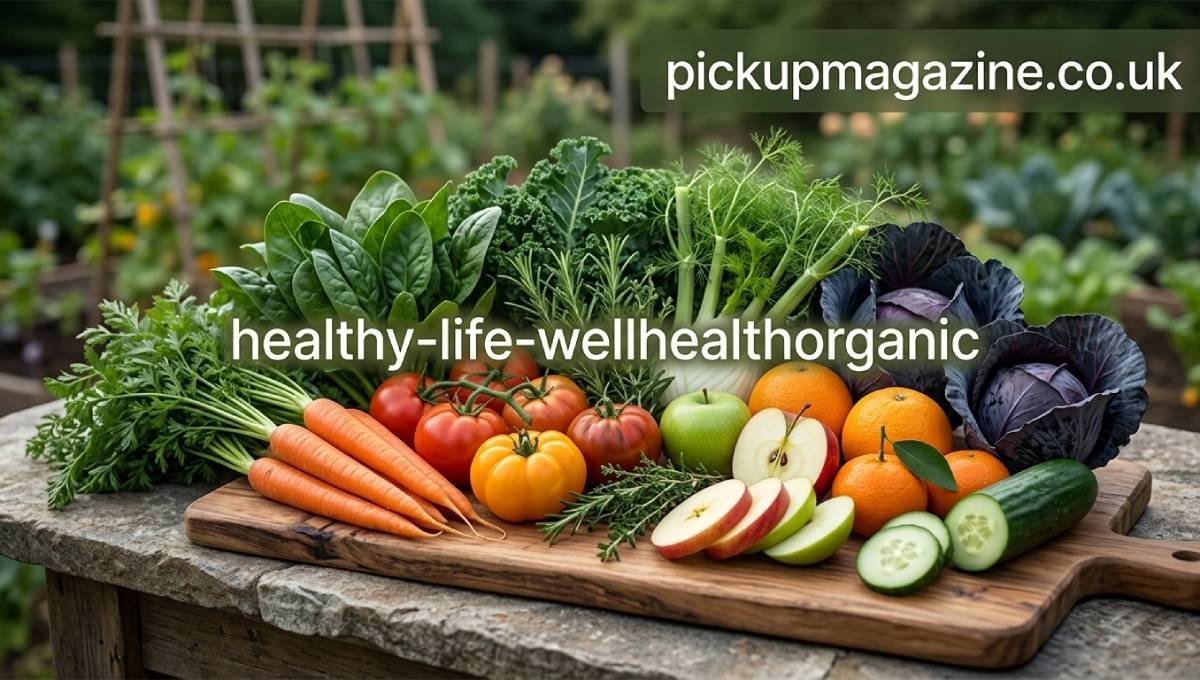
Introduction
Living a healthy life isn’t just about avoiding illness—it’s about building daily habits that nourish your body, sharpen your mind, and strengthen your overall well-being. The concept of healthy-life-wellhealthorganic focuses on achieving balance through natural nutrition, mindful routines, and sustainable lifestyle choices. Instead of quick fixes or extreme routines, this approach encourages small, consistent actions that lead to long-term wellness.
In today’s fast-paced world, people often overlook the simple foundations of health: nutritious food, regular movement, restful sleep, and emotional balance. The philosophy behind healthy-life-wellhealthorganic promotes returning to nature’s basics—choosing organic foods, reducing exposure to harmful chemicals, and cultivating habits that support both physical and mental health.
This article explores what a truly healthy lifestyle looks like, why natural living matters more than ever, and how anyone can adopt practical habits that transform everyday life. From nutrition and fitness to mental clarity and preventive wellness, each section provides insights and actionable guidance for creating a sustainable, fulfilling life.
Understanding the Concept of Healthy-Life-WellHealthOrganic
The idea of healthy-life-wellhealthorganic revolves around a holistic approach to health. Instead of focusing on one aspect—like diet or exercise—it combines physical, mental, and environmental well-being into a unified lifestyle. The goal is not perfection but consistency in healthy choices.
Modern lifestyles often expose individuals to processed foods, sedentary routines, and constant stress. Over time, these factors weaken the immune system and increase the risk of chronic conditions. By adopting natural practices such as organic nutrition, mindful movement, and adequate rest, people can support their body’s natural healing mechanisms.
Another important principle is sustainability. Healthy living should not depend on temporary diets or strict routines that are impossible to maintain. Instead, it emphasizes habits that can be integrated into everyday life. For example, replacing sugary drinks with herbal teas or walking daily instead of relying solely on vehicles.
Ultimately, this approach encourages people to listen to their bodies and prioritize long-term well-being rather than short-term results.
Core Principles Behind a Healthy Life
Natural Nutrition and Whole Foods
Food plays a central role in overall health. Whole foods such as fruits, vegetables, grains, nuts, and legumes provide essential nutrients that support every system in the body. When consumed in their natural state, these foods contain vitamins, minerals, fiber, and antioxidants that help maintain energy and strengthen immunity.
Organic foods are often preferred in the healthy-life-wellhealthorganic philosophy because they reduce exposure to pesticides and artificial additives. Many people also find that organic produce tastes fresher and retains higher nutrient density.
Eating mindfully is equally important. Rather than rushing through meals or eating while distracted, taking time to appreciate food improves digestion and encourages healthier portion sizes.
Balanced Physical Activity
Regular movement keeps the body strong and flexible. Exercise doesn’t necessarily require intense workouts or gym memberships. Simple activities such as walking, cycling, yoga, or swimming can significantly improve cardiovascular health and muscle strength.
Consistency matters more than intensity. Even 30 minutes of moderate activity daily can reduce stress levels, improve sleep quality, and enhance overall energy. Over time, physical activity also supports mental clarity and emotional stability.
Mental Wellness and Stress Management
Mental health is an essential part of overall well-being. Chronic stress can negatively affect sleep, digestion, and immune function. Practicing mindfulness techniques such as meditation, breathing exercises, or journaling can help calm the mind.
Healthy relationships and social support also contribute to emotional balance. Spending time with friends and family, engaging in hobbies, or volunteering can create a sense of purpose and happiness.
Organic Living and Its Impact on Health
Organic living extends beyond food choices. It involves reducing exposure to synthetic chemicals and embracing more natural alternatives in everyday life. Household products, skincare items, and even clothing can influence overall health.
Many people who follow the healthy-life-Wellhealthorganic approach prioritize eco-friendly products that are free from harsh chemicals. These products are often gentler on the body and better for the environment.
The benefits of organic living include improved skin health, reduced allergic reactions, and a lower risk of exposure to potentially harmful substances. While transitioning to organic options may take time, small changes—such as switching to natural cleaning products—can make a meaningful difference.
Nutritional Elements That Support a Healthy Life
A balanced diet contains several essential nutrients that support bodily functions. Understanding these nutrients helps individuals make better food choices.
| Nutrient | Key Function | Natural Sources |
|---|---|---|
| Protein | Muscle repair and growth | Beans, eggs, fish, tofu |
| Fiber | Digestive health | Whole grains, fruits, vegetables |
| Healthy Fats | Brain function and hormone balance | Avocados, nuts, olive oil |
| Vitamins & Minerals | Immune support and metabolism | Leafy greens, berries |
These nutrients work together to maintain energy levels and support the body’s natural systems. Including a variety of foods ensures that no essential nutrient is missing.
Daily Habits That Strengthen Long-Term Health
Small habits practiced consistently can create significant improvements in health. The healthy-life-wellhealthorganic philosophy encourages practical routines that gradually become part of everyday life.
| Daily Habit | Health Benefit |
|---|---|
| Drinking enough water | Supports hydration and digestion |
| Morning stretching | Improves flexibility and circulation |
| Balanced meals | Maintains stable energy levels |
| Digital breaks | Reduces mental fatigue |
| Early bedtime | Enhances recovery and focus |
These habits may seem simple, but they create a strong foundation for lifelong wellness.
The Role of Sleep in a Healthy Lifestyle
Sleep is often underestimated, yet it plays a vital role in overall health. During sleep, the body repairs tissues, regulates hormones, and consolidates memories. Without adequate rest, people may experience fatigue, weakened immunity, and reduced productivity.
Most adults require seven to nine hours of sleep per night. Maintaining a consistent sleep schedule helps regulate the body’s internal clock. Limiting screen exposure before bedtime and creating a calm sleeping environment can significantly improve sleep quality.
Healthy sleep patterns also support mental health. People who sleep well tend to manage stress better and maintain a more positive outlook on daily challenges.
Environmental Factors and Holistic Well-Being
A healthy lifestyle is influenced not only by personal habits but also by the surrounding environment. Clean air, access to nature, and safe living spaces contribute significantly to physical and emotional health.
Spending time outdoors can improve mood and reduce stress levels. Activities such as hiking, gardening, or simply walking in a park allow individuals to reconnect with nature. This connection promotes relaxation and helps restore mental clarity.
In addition, maintaining a clean and organized living space can create a calming atmosphere. Simple actions like decluttering rooms or adding plants indoors can positively affect mental well-being.
Preventive Health Practices for a Balanced Life
Preventive care focuses on maintaining health before problems arise. Instead of waiting for illness, proactive habits help keep the body strong and resilient.
Two simple but powerful preventive practices include:
- Regular health checkups to monitor vital indicators and detect early signs of imbalance.
- Mindful lifestyle adjustments, such as reducing processed foods and increasing physical activity.
Preventive health also involves paying attention to warning signs from the body. Persistent fatigue, poor sleep, or frequent headaches may indicate that lifestyle habits need adjustment.
Comparing Lifestyle Approaches to Wellness
| Lifestyle Approach | Characteristics | Long-Term Impact |
|---|---|---|
| Sedentary routine | Minimal physical activity, processed foods | Higher risk of health issues |
| Balanced lifestyle | Moderate exercise and nutritious diet | Stable energy and improved wellness |
| Healthy-life-wellhealthorganic | Natural nutrition, organic living, holistic habits | Sustainable long-term health |
This comparison highlights why natural, balanced routines often lead to better overall well-being.
Conclusion
A healthy lifestyle is built through consistent habits rather than quick solutions. The philosophy of healthy-life-wellhealthorganic emphasizes natural Nutrition, regular movement, quality sleep, and mindful living as the foundation of long-term wellness.
By making small, intentional changes—such as choosing whole foods, staying active, managing stress, and prioritizing rest—individuals can significantly improve their quality of life. These habits not only strengthen physical health but also support emotional balance and mental clarity.
The journey toward better health does not require perfection. Instead, it begins with simple steps taken every day. Over time, these choices create a sustainable lifestyle that nurtures both the body and mind.
Frequently Asked Questions (FAQs)
1. What does healthy-life-wellhealthorganic mean?
It refers to a holistic lifestyle focused on natural nutrition, organic living, balanced habits, and overall physical and mental well-being.
2. Why is organic living considered beneficial?
Organic living reduces exposure to synthetic chemicals and promotes healthier food and product choices that support long-term wellness.
3. How can someone start living a healthier lifestyle?
Start with simple changes such as eating whole foods, staying active, drinking enough water, and maintaining a consistent sleep schedule.
4. Is exercise necessary for maintaining a healthy life?
Yes. Regular movement strengthens the heart, improves metabolism, and supports both physical and mental health.
5. Can small daily habits really improve overall health?
Absolutely. Consistent small habits—like mindful eating and daily walks—gradually build a strong foundation for lifelong wellness.

Introduction
In today’s fast-paced world, men are constantly searching for ways to improve energy, confidence, stamina, and overall performance. That’s where Truvirility comes into the conversation. Whether you’ve come across the term in health discussions or while exploring male wellness solutions, Truvirility represents more than just a product name—it symbolizes a growing movement toward natural male vitality, hormonal balance, and sustainable strength.
Modern lifestyles often drain physical and mental reserves. Long work hours, stress, poor sleep, and nutritional gaps can silently impact testosterone levels, mood, and performance. This article dives deep into what Truvirility stands for, how it works, what makes it different, and why it matters in today’s health landscape. You’ll discover its ingredients, benefits, scientific foundation, and real-world application—so you can make informed decisions about your well-being.
Let’s explore how Truvirility fits into the broader conversation of men’s health and vitality.
What Is Truvirility?
Truvirility is widely recognized as a male vitality support formula designed to promote natural testosterone balance, improved stamina, and overall masculine wellness. Unlike quick-fix solutions, it aims to support the body’s own processes through carefully selected herbal extracts, minerals, and performance-enhancing nutrients.
At its core, Truvirility focuses on three pillars:
- Hormonal balance
- Physical stamina
- Mental clarity and confidence
Rather than offering temporary stimulation, the concept behind Truvirility centers on restoring and optimizing natural biological functions. That approach resonates strongly with men who want sustainable, long-term improvement rather than short-lived effects.
Product Overview and Key Details
Below is a quick overview of Truvirility for clarity:
| Feature | Details |
|---|---|
| Product Type | Male vitality supplement |
| Primary Purpose | Support testosterone and stamina |
| Key Ingredients | Herbal extracts, minerals, adaptogens |
| Intended Users | Adult men seeking vitality support |
| Form | Capsules |
| Approach | Natural hormone optimization |
This overview sets the foundation, but the real value lies in understanding how it works inside the body.
How Truvirility Supports Male Vitality
Hormonal Balance and Testosterone Support
Testosterone plays a central role in male health. It affects muscle growth, mood, libido, bone density, and energy levels. As men age, natural testosterone production gradually declines. Stress and lifestyle habits can accelerate that drop.
Truvirility formulations often include ingredients known to support healthy testosterone levels. These compounds don’t artificially inject hormones. Instead, they encourage the body’s natural production mechanisms. That distinction matters because it reduces the risk of hormonal imbalance while supporting sustainable results.
When hormone levels are balanced, men often notice:
- Increased energy
- Improved physical performance
- Better focus and mood
- Stronger confidence
Balance is key. Too little testosterone can cause fatigue and low drive. Too much, artificially induced, can create other problems. Truvirility focuses on equilibrium rather than extremes.
Energy and Stamina Enhancement
Energy isn’t just about caffeine. True stamina comes from cellular efficiency, oxygen utilization, and nutrient absorption. Many male vitality supplements incorporate adaptogenic herbs and performance-enhancing amino acids that help the body manage stress while improving endurance.
Truvirility aims to enhance stamina in a gradual, steady way. Instead of a sudden spike followed by a crash, users often report consistent vitality throughout the day. That stability makes it appealing for men balancing careers, workouts, and family life.
Think of it like upgrading your internal engine rather than pressing the gas pedal harder.
Key Ingredients Commonly Found in Truvirility
While specific formulas may vary, most Truvirility-style supplements rely on scientifically studied natural ingredients.
| Ingredient | Primary Function | Benefit |
|---|---|---|
| Ashwagandha | Adaptogen | Stress reduction, hormone support |
| Fenugreek | Herbal extract | Supports testosterone levels |
| Zinc | Essential mineral | Hormonal regulation |
| Tongkat Ali | Traditional root extract | Libido and energy enhancement |
| Vitamin D | Hormone support nutrient | Mood and testosterone balance |
These ingredients have been researched for their role in male vitality. For example, zinc deficiency is linked to reduced testosterone production. Likewise, ashwagandha has been studied for stress reduction and potential hormonal support.
When combined properly, these components work synergistically. That synergy is often what separates high-quality formulas from generic blends.
The Science Behind Truvirility
Scientific research increasingly supports the connection between lifestyle stress, hormonal imbalance, and reduced male performance. Cortisol, the stress hormone, can suppress testosterone when chronically elevated. This imbalance can lead to fatigue, low libido, and mood fluctuations.
Adaptogens like ashwagandha help regulate cortisol levels. Minerals like zinc assist in enzymatic reactions involved in testosterone production. Vitamin D functions more like a hormone than a vitamin and plays a critical role in reproductive health.
A well-structured Truvirility formula addresses multiple pathways at once:
- Reducing stress-related suppression
- Supporting hormonal production
- Enhancing nutrient availability
- Improving blood flow and stamina
That multi-layered approach increases the likelihood of noticeable, sustainable improvement.
Who Can Benefit from Truvirility?
Truvirility is generally designed for adult men experiencing signs of reduced vitality. These signs may include:
- Low energy
- Decreased muscle strength
- Reduced motivation
- Lower libido
- Slower recovery after workouts
Men in their 30s, 40s, and beyond often explore such supplements, but younger men under high stress may also consider them. However, it’s important to remember that supplements work best when combined with healthy lifestyle habits.
No capsule can replace sleep, exercise, and balanced nutrition. Truvirility should complement—not substitute—these foundations.
Real-Life Application: A Practical Scenario
Imagine a 42-year-old professional juggling work deadlines and family responsibilities. He notices his energy dropping by mid-afternoon. His workouts feel harder. Motivation isn’t what it used to be.
After consulting a healthcare professional, he starts a Truvirility regimen alongside improved sleep and strength training. Within weeks, he reports steadier energy, improved focus, and enhanced workout endurance.
The key here isn’t magic. It’s consistency combined with targeted nutritional support.
Truvirility vs. Synthetic Testosterone Treatments
Understanding the difference between natural support and medical hormone therapy is critical.
| Aspect | Truvirility | Synthetic Testosterone Therapy |
|---|---|---|
| Approach | Supports natural production | Direct hormone replacement |
| Accessibility | Over-the-counter supplement | Prescription required |
| Risk Level | Generally lower when used properly | Requires medical supervision |
| Long-Term Use | Often suitable for extended use | Must be monitored closely |
Synthetic testosterone can be life-changing for men with clinically low levels. However, it requires medical diagnosis and supervision. Truvirility, by contrast, focuses on nutritional and herbal support for general vitality.
Both approaches serve different purposes.
Lifestyle Factors That Enhance Truvirility Results
Even the most effective supplement performs better when paired with healthy habits. Consider these supportive practices:
- Strength training three to four times weekly
- Prioritizing 7–8 hours of sleep
- Consuming protein-rich meals
- Reducing processed sugar intake
These habits naturally support hormonal health. When combined with Truvirility, they create a stronger foundation for long-term results.
Safety Considerations and Best Practices
While Truvirility relies on natural ingredients, “natural” doesn’t always mean risk-free. Individuals with medical conditions or those taking medications should consult a healthcare provider before starting any supplement.
Start with the recommended dosage. Avoid stacking multiple testosterone boosters simultaneously. Monitor how your body responds over several weeks.
Consistency matters more than overconsumption.
The Broader Meaning of Truvirility
Beyond capsules and ingredients, Truvirility represents a cultural shift. Men are increasingly prioritizing preventive wellness rather than waiting for problems to escalate.
True virility today isn’t about aggression or dominance. It’s about resilience, clarity, and balanced strength. It’s the ability to show up fully—physically and mentally—every day.
Truvirility aligns with that modern definition of masculinity: steady, strong, and sustainable.
Conclusion
Truvirility stands at the intersection of science, natural supplementation, and modern male wellness. By focusing on hormonal balance, stress reduction, and stamina enhancement, it offers a comprehensive approach to male vitality. Unlike synthetic interventions, it works with the body’s natural systems, aiming for long-term improvement rather than short-term stimulation.
The key takeaway is simple: supplements like Truvirility can support performance, but they work best alongside healthy habits. Sleep, strength training, balanced nutrition, and stress management remain essential pillars.
If you’re seeking renewed energy, improved confidence, and sustainable vitality, exploring a well-formulated Truvirility approach may be a practical step. Make informed decisions, consult professionals when necessary, and prioritize Consistency over shortcuts. Real strength builds gradually—and lasts.
Frequently Asked Questions (FAQs)
1. What is Truvirility primarily used for?
Truvirility is typically used to support male vitality, testosterone balance, energy, and stamina. It focuses on natural hormone optimization rather than synthetic replacement.
2. How long does Truvirility take to show results?
Results vary, but many users report noticeable improvements within 3–6 weeks when combined with healthy lifestyle habits.
3. Is Truvirility safe for long-term use?
When used as directed and under medical guidance if necessary, most natural vitality supplements are suitable for extended use. Always follow dosage recommendations.
4. Can younger men take Truvirility?
Adult men experiencing stress-related fatigue or reduced stamina may consider it. However, those under 25 should consult a healthcare professional first.
5. Does Truvirility replace testosterone therapy?
No. Truvirility supports natural production and is not a replacement for medically prescribed testosterone therapy.
-

 Celebrity2 months ago
Ben Shephard Wife Illness: The Truth, Timeline, and What We Know Today
-

 Celebrity2 months ago
Mark Redknapp: The Life, Family And Journey Behind The Famous Name
-

 Celebrity2 months ago
Carrie Schenken: A Private Life, Public Curiosity, and Lasting Partnership
-

 Celebrity2 months ago
Denika Kisty: Life, Legacy, and Strength Beyond Fame
-

 Celebrity2 months ago
Kelly Frayne: A Complete Guide to Her Life, Career, and Growing Public Interest
-

 Celebrity2 months ago
Miriam Wilcox: Story, Illness, Family, And The Quiet Power Of A Private Life
-

 Celebrity2 months ago
Henry Zeffman Partner: What We Know About His Private Life and Relationships
-

 Celebrity2 months ago
Linford Christie Wife: Untold Facts, Personal Life & Truth Behind the Legend